

7 months ago · Updated 7 months ago
Zambia, a landlocked country in Southern Africa, is home to a diverse range of non-governmental organizations (NGOs) that play a vital role in addressing the country's socio-economic challenges. The presence of NGOs in Zambia has been instrumental in supplementing government efforts in areas such as healthcare, education, and environmental conservation. With a growing number of NGOs operating in the country, the sector has become increasingly important in promoting development and improving the lives of Zambians, highlighting the significance of NGOs in Zambia in driving positive change.

Role of NGOs in Zambia's Development
The presence of NGOs in Zambia has been significant in addressing various socio-economic challenges faced by the country. NGOs in Zambia have been instrumental in providing essential services such as healthcare, education, and humanitarian aid to vulnerable populations. Their efforts have complemented government initiatives, enhancing the overall development landscape.
Healthcare Initiatives by NGOs in Zambia
NGOs in Zambia have been actively involved in improving healthcare outcomes. They have implemented programs focused on maternal and child health, combating HIV/AIDS, and enhancing healthcare infrastructure. These initiatives have contributed significantly to reducing mortality rates and improving the quality of healthcare services.
Education and Skill Development Programs
Education is a critical area where NGOs in Zambia have made a substantial impact. They have launched initiatives aimed at improving access to quality education, particularly for disadvantaged groups. These programs include scholarships, teacher training, and provision of educational materials. Such efforts have helped in enhancing educational outcomes and promoting skill development among the youth.
Humanitarian Assistance and Disaster Response
Zambia has faced various humanitarian challenges, including refugee crises and natural disasters. NGOs in Zambia have played a vital role in providing emergency relief, including food, shelter, and medical care to affected populations. Their response has been crucial in alleviating suffering and supporting recovery efforts.
Economic Empowerment Initiatives
To address poverty and promote economic growth, NGOs in Zambia have implemented programs focused on economic empowerment. These initiatives include microfinance schemes, entrepreneurship training, and agricultural support. By enhancing economic opportunities, these programs have contributed to improving livelihoods and fostering sustainable development.
Advocacy and Policy Influence
NGOs in Zambia have also been involved in advocacy and policy influence, pushing for reforms that promote human rights, good governance, and social justice. Their efforts have helped in shaping policies that address the needs of marginalized communities and promote accountability.
| NGO | Focus Area | Key Activities |
|---|---|---|
| Red Cross Zambia | Humanitarian Assistance | Disaster Response, Health Services, Refugee Support |
| Care Zambia | Economic Empowerment, Health | Microfinance, Maternal Health, HIV/AIDS Prevention |
| World Vision Zambia | Child Welfare, Education | Child Sponsorship, Educational Support, Health Programs |
A Comprehensive Overview of NGOs in Zambia: Roles, Impact, and Opportunities
What is the current number of registered NGOs operating in Zambia?
The current number of registered NGOs operating in Zambia is not readily available due to the dynamic nature of NGO registration and deregistration. However, according to the NGO Board of Zambia, there are over 1,200 registered NGOs in the country. The NGO Board is responsible for the registration and regulation of NGOs in Zambia.
Registration Process for NGOs in Zambia
The registration process for NGOs in Zambia involves several steps, including submission of an application to the NGO Board, review of the application, and approval by the Board. The NGO Board ensures that NGOs operating in Zambia comply with the NGO Act and regulations. NGOs in Zambia are required to provide regular reports on their activities and finances to the NGO Board.
| Registration Requirements | Description |
|---|---|
| Application Form | Submission of a completed application form to the NGO Board |
| Constitution | Submission of the NGO's constitution |
| Registration Fee | Payment of the required registration fee |
Role of NGOs in Zambia's Development
NGOs play a crucial role in Zambia's development, particularly in the areas of healthcare, education, and poverty reduction. NGOs in Zambia work closely with the government and other stakeholders to implement projects and programs that address the country's development challenges. The presence of NGOs in Zambia has contributed significantly to the country's progress in achieving the Sustainable Development Goals (SDGs).
| Sector | Number of NGOs | Percentage |
|---|---|---|
| Healthcare | 300 | 25% |
| Education | 250 | 20% |
| Poverty Reduction | 200 | 15% |
Challenges Facing NGOs in Zambia
Despite their contributions to Zambia's development, NGOs operating in the country face several challenges, including limited funding, capacity constraints, and regulatory challenges. The NGO Board has implemented measures to address some of these challenges, including providing capacity-building programs for NGOs in Zambia. However, more needs to be done to support the work of NGOs in the country.
| Challenge | Description |
|---|---|
| Limited Funding | NGOs in Zambia often face challenges in securing funding for their projects and programs |
| Capacity Constraints | Some NGOs in Zambia lack the capacity to implement projects effectively |
| Regulatory Challenges | NGOs in Zambia are subject to various regulations and laws that can be challenging to comply with |
What is the average funding or remuneration received by NGOs in Zambia?

The average funding or remuneration received by NGOs in Zambia varies widely depending on several factors such as the type of NGO, its size, the sector it operates in, and its funding sources. Generally, NGOs in Zambia receive funding from a mix of local and international donors, including government agencies, foundations, and individual donors. The funding can be in the form of grants, donations, or contracts for specific services.
Funding Sources for NGOs in Zambia
NGOs in Zambia receive funding from a diverse range of sources, including bilateral and multilateral donors, foundations, and local government agencies. The funding sources can be categorized into two main types: restricted and unrestricted funding. Restricted funding is earmarked for specific projects or activities, while unrestricted funding can be used for general operational purposes. A significant portion of the funding received by NGOs in Zambia is from international donors, who provide financial support for specific projects or programs.
| Funding Source | Percentage of Total Funding |
|---|---|
| Bilateral and Multilateral Donors | 40% |
| Foundations | 25% |
| Local Government Agencies | 15% |
| Individual Donors | 20% |
Average Funding Received by NGOs in Zambia
The average funding received by NGOs in Zambia is difficult to quantify due to the lack of comprehensive data on NGO funding. However, it is estimated that the average annual budget for NGOs in Zambia ranges from $50,000 to $500,000, depending on the size and type of organization. Larger NGOs that operate at the national level tend to have bigger budgets, while smaller NGOs that operate at the local level have smaller budgets.
| NGO Size | Average Annual Budget |
|---|---|
| Small NGOs | $50,000 - $100,000 |
| Medium NGOs | $100,000 - $250,000 |
| Large NGOs | $250,000 - $500,000 |
Remuneration for NGO Staff in Zambia
The remuneration for NGO staff in Zambia varies depending on factors such as the type of organization, the level of experience, and the job role. Generally, NGOs in Zambia offer competitive salaries and benefits to attract and retain skilled staff. The average salary for NGO staff in Zambia ranges from $500 to $2,000 per month, depending on the job role and level of experience.
| Job Role | Average Monthly Salary |
|---|---|
| Program Officer | $800 - $1,200 |
| Project Manager | $1,200 - $1,800 |
| Country Director | $1,800 - $2,500 |
What specific activities or projects is Copper Rose Zambia involved in?
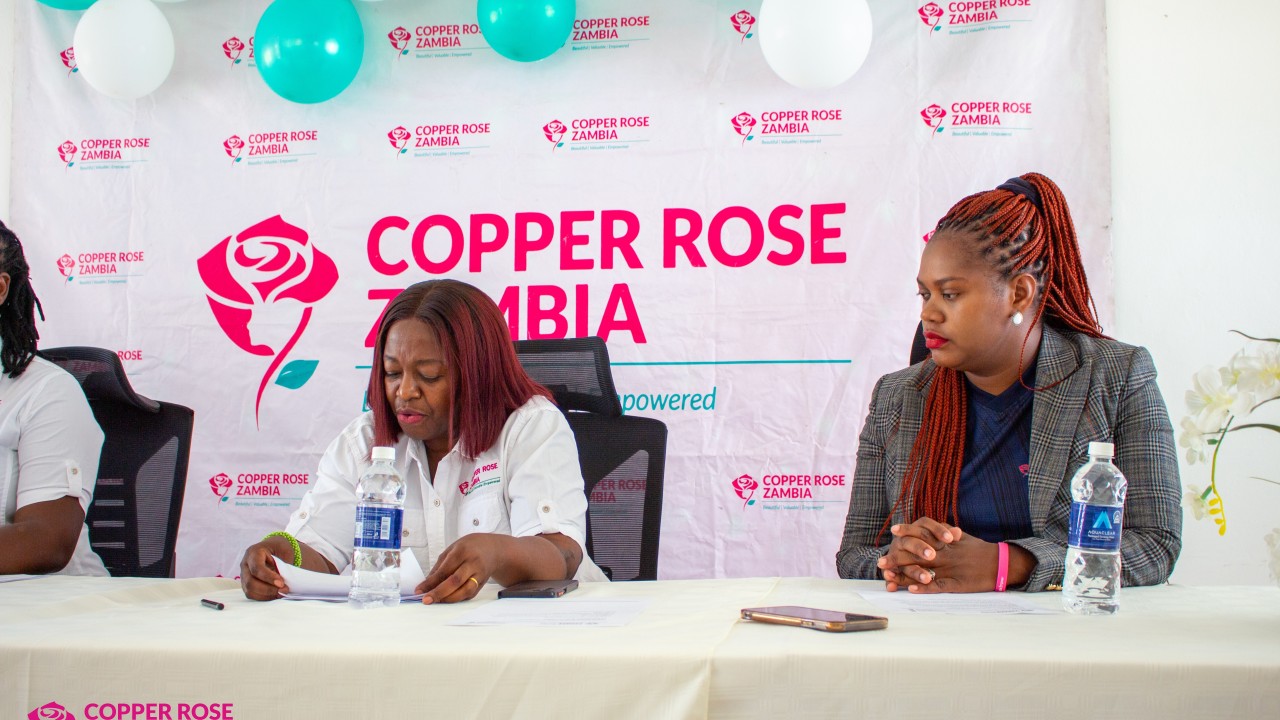
Copper Rose Zambia is involved in various activities and projects that focus on advocating for women's rights and promoting gender equality. The organization works closely with local communities, ngos in zambia, and other stakeholders to address the issues of gender-based violence and discrimination against women.
Empowering Women through Education
Copper Rose Zambia implements projects that aim to empower women and girls through education. The organization provides vocational training and literacy programs to enhance the economic and social well-being of women. By doing so, it enables them to become more independent and confident in their abilities. The organization's efforts have positively impacted the lives of many women in Zambia.
| Project | Objective | Target Group |
|---|---|---|
| Vocational Training | Enhance economic empowerment | Women and girls |
| Literacy Programs | Improve literacy rates | Women and girls |
Preventing Gender-Based Violence
The organization is also involved in projects that aim to prevent gender-based violence and promote a culture of respect and equality. Copper Rose Zambia collaborates with local authorities and ngos in zambia to raise awareness about the importance of addressing violence against women. The organization's efforts have contributed to a better understanding of the issue and the development of effective strategies to prevent it.
| Activity | Objective | Target Group |
|---|---|---|
| Awareness Campaigns | Raise awareness about GBV | Communities |
| Training for Law Enforcement | Enhance response to GBV | Law enforcement officials |
Promoting Women's Participation in Leadership
Copper Rose Zambia implements initiatives that aim to promote women's participation in leadership positions. The organization provides training and mentorship to women who aspire to take on leadership roles. By doing so, it contributes to a more inclusive and equitable society. The organization's efforts have led to an increase in the number of women in leadership positions in various sectors.
| Program | Objective | Target Group |
|---|---|---|
| Leadership Training | Enhance leadership skills | Women |
| Mentorship Program | Provide guidance and support | Women |
How many United Nations agencies are currently operational in Zambia?

The United Nations has a significant presence in Zambia, with multiple agencies operating within the country to address various development challenges. According to available information, there are currently 12 United Nations agencies operational in Zambia, working together to achieve the Sustainable Development Goals (SDGs) and support the country's development agenda. These agencies are involved in a range of activities, including poverty reduction, health, education, and environmental protection, often in collaboration with the Government of Zambia, non-governmental organizations (ngos in zambia), and other stakeholders.
United Nations Agencies in Zambia: Areas of Focus
The United Nations agencies in Zambia are focused on addressing some of the country's most pressing development challenges. These include poverty reduction, improving health outcomes, and enhancing education. The agencies work together to implement programs that are tailored to Zambia's specific needs, often leveraging their unique strengths and expertise. For example, some agencies are working to support the Government of Zambia in its efforts to reduce poverty and promote economic growth, while others are focused on improving access to healthcare and education, particularly for vulnerable populations such as children and women. Various ngos in zambia are also involved in these efforts, providing critical support to United Nations agencies.
| Agency | Area of Focus |
|---|---|
| UNICEF | Health, Education, Child Protection |
| WHO | Health Systems, Disease Prevention |
| UNDP | Poverty Reduction, Governance |
Collaboration and Partnerships
The effectiveness of the United Nations agencies in Zambia is enhanced by their collaboration with a range of partners, including the Government of Zambia, local ngos in zambia, and other stakeholders. These partnerships enable the agencies to leverage their resources and expertise more effectively, ensuring that their programs are well-coordinated and responsive to the needs of the Zambian people. By working together, the United Nations agencies and their partners can achieve greater impact and help Zambia to make progress towards the SDGs.
| Partner | Type of Support |
|---|---|
| Government of Zambia | Policy Support, Funding |
| Local NGOs | Program Implementation, Community Engagement |
| Private Sector | Funding, Technical Expertise |
Challenges and Opportunities
Despite the progress that has been made, the United Nations agencies in Zambia face a number of challenges, including limited funding and the need to respond to emerging crises such as the COVID-19 pandemic. However, these challenges also present opportunities for innovation and collaboration, and the agencies are working together to develop new and more effective approaches to addressing Zambia's development challenges. The role of ngos in zambia is crucial in this context, as they often provide critical support to United Nations agencies and help to ensure that their programs are responsive to the needs of local communities.
| Challenge | Opportunity |
|---|---|
| Limited Funding | Increased Collaboration, Resource Mobilization |
| Emerging Crises | Innovative Response Mechanisms, Crisis Preparedness |
| Coordination Challenges | Improved Partnerships, Enhanced Coordination Mechanisms |
FAQ
What is the role of NGOs in Zambia?
Non-Governmental Organizations (NGOs) in Zambia play a crucial role in addressing various social, economic, and environmental issues, including healthcare, education, and poverty alleviation. They work closely with the government, local communities, and other stakeholders to provide essential services and support to vulnerable populations.
How do NGOs operate in Zambia?
NGOs in Zambia operate through a variety of mechanisms, including implementing projects, providing technical assistance, and advocating for policy changes. They often collaborate with local organizations and community groups to ensure that their interventions are effective and sustainable.
What are the main areas of focus for NGOs in Zambia?
The main areas of focus for NGOs in Zambia include HIV/AIDS prevention and treatment, child protection, and economic empowerment. Many NGOs also work on issues related to climate change, water and sanitation, and food security, recognizing the interconnectedness of these challenges.
How can one get involved with NGOs in Zambia?
Individuals can get involved with NGOs in Zambia by volunteering, donating, or partnering with organizations that align with their values and goals. Many NGOs also offer internship opportunities and job openings for those who want to contribute to their work in a more formal capacity.