

6 months ago · Updated 6 months ago
The fluctuation in petrol price in Zambia has become a pressing concern for the nation's economy and its citizens. As one of the key components influencing the cost of living and transportation, understanding the dynamics behind petrol pricing is essential. Zambia, being a landlocked country, relies heavily on its neighboring countries for fuel imports, making it vulnerable to regional market trends. The volatility in global oil prices further complicates the local petrol market, affecting consumer purchasing power and the overall economic stability of the country. Various factors contribute to the final cost.

Understanding the Dynamics of Petrol Price in Zambia
The petrol price in Zambia is influenced by a multitude of factors including global crude oil prices, refining costs, transportation fees, taxes, and distribution margins. Zambia, being a landlocked country, heavily relies on neighboring countries for its fuel imports, which can significantly impact the final cost of petrol to consumers. The government's policies on fuel pricing, taxes, and subsidies also play a crucial role in determining the petrol price in Zambia.
Factors Influencing Petrol Price in Zambia
Several factors contribute to the fluctuations in petrol price in Zambia. Global Crude Oil Prices have a significant impact as Zambia imports refined petroleum products. Changes in international crude oil prices directly affect the cost of importing fuel. Additionally, the exchange rate between the Zambian Kwacha (ZMW) and the US Dollar (USD) plays a crucial role, as most fuel imports are invoiced in USD. A depreciation of the ZMW against the USD can lead to higher fuel prices.
Fuel Pricing Mechanism in Zambia
The fuel pricing mechanism in Zambia is primarily based on a cost-plus pricing formula, which takes into account the import parity price, distribution costs, and margins. The Energy Regulation Commission (ERC) is responsible for regulating the fuel industry, including setting fuel prices. The ERC reviews fuel prices regularly based on changes in global oil prices, exchange rates, and other relevant factors to determine the petrol price in Zambia.
Impact of Taxes on Petrol Price in Zambia
Taxes constitute a significant component of the petrol price in Zambia. The government levies various taxes on fuel, including Value Added Tax (VAT) and excise duty. These taxes contribute to the government's revenue and can influence the final price of petrol to consumers. Changes in tax policies can directly affect the petrol price in Zambia, making it either more affordable or expensive for consumers.
Challenges in Fuel Pricing in Zambia
One of the significant challenges in fuel pricing in Zambia is the volatility of global crude oil prices. Sudden changes in global oil prices can lead to rapid fluctuations in fuel prices, affecting both consumers and the economy. Additionally, Zambia's reliance on imported fuel makes it vulnerable to external shocks, including geopolitical tensions and global economic trends.
Future Outlook for Petrol Price in Zambia
The future outlook for petrol price in Zambia is subject to various factors, including global economic trends, geopolitical developments, and domestic policies. Efforts to diversify Zambia's energy mix and reduce dependence on imported fuel could potentially stabilize fuel prices in the long term. Investments in renewable energy sources and improving the efficiency of the fuel distribution network are steps towards achieving energy security and mitigating the impact of global price fluctuations.
| Date | Petrol Price (ZMW/litre) | Change |
|---|---|---|
| 2023-01-01 | 22.50 | - |
| 2023-02-01 | 23.20 | +3.11% |
| 2023-03-01 | 24.00 | +3.45% |
Understanding the Current Petrol Price in Zambia: A Comprehensive Guide
What is the current retail price of 1 liter of fuel in Zambia?

The current retail price of 1 liter of fuel in Zambia varies depending on several factors, including the location, type of fuel, and the fueling station. As of the latest available data, the average petrol price in Zambia is around ZMW 24.50 per liter. However, prices can range from ZMW 23.50 to ZMW 26.00 per liter in different parts of the country.
Fuel Price Trends in Zambia
The fuel price trends in Zambia are influenced by global oil prices, government taxes, and other local factors. In recent years, the country has experienced fluctuations in fuel prices, with a general upward trend due to increasing global demand and supply chain disruptions. The petrol price in Zambia is also affected by the exchange rate between the Zambian Kwacha and the US Dollar, as fuel is typically imported and priced in USD.
| Fuel Type | Price (ZMW/liter) |
|---|---|
| Petrol | 24.50 |
| Diesel | 25.20 |
Factors Affecting Fuel Prices in Zambia
Several factors contribute to the determination of fuel prices in Zambia, including global crude oil prices, transportation costs, and government taxes. The country's reliance on imported fuel also exposes it to exchange rate fluctuations, which can impact the final retail price. Additionally, the petrol price in Zambia is influenced by the pricing mechanisms adopted by fuel retailers, which can vary depending on their operating costs and market conditions.
| Factor | Impact on Fuel Price |
|---|---|
| Global Crude Oil Prices | High |
| Transportation Costs | Medium |
| Government Taxes | Medium |
Regional Comparison of Fuel Prices
A comparison of fuel prices in Zambia with neighboring countries reveals that the petrol price in Zambia is relatively competitive. However, prices can vary significantly depending on the location and the specific fueling station. In general, fuel prices in Zambia are influenced by regional market trends and the pricing strategies adopted by fuel retailers.
| Country | Petrol Price (USD/liter) |
|---|---|
| Zambia | 1.20 |
| Tanzania | 1.15 |
| Botswana | 1.25 |
What factors contribute to the high cost of fuel in Zambia?
The high cost of fuel in Zambia is a multifaceted issue influenced by various factors. One of the primary contributors is the country's reliance on imported fuel, as Zambia is a landlocked nation without significant domestic refining capabilities. This reliance on imports exposes the country to global oil price fluctuations, making it challenging to maintain stable fuel prices domestically. Furthermore, the cost of transporting fuel from coastal areas to Zambia adds to the overall expense, as it involves significant logistics and transportation costs.
Taxation and Duties
The Zambian government imposes various taxes and duties on fuel imports, which are then passed on to consumers. These include import duties, value-added tax (VAT), and other levies. Such taxes contribute to the high cost of fuel, as they are factored into the final price at the pump. For instance, the petrol price in Zambia is significantly affected by these taxes, making fuel more expensive for consumers.
| Tax Type | Description | Rate |
|---|---|---|
| Import Duty | Tax on imported goods | 5% |
| VAT | Value-added tax on goods and services | 16% |
| Fuel Levy | Specific levy on fuel imports | 2% |
Transportation and Logistics
The cost of transporting fuel from ports in neighboring countries to Zambia is substantial. This involves transportation costs, including fuel for the trucks, maintenance, and labor costs. The distance and complexity of transporting fuel to a landlocked country like Zambia increase these costs. As a result, the final price of fuel to consumers is higher. The petrol price in Zambia reflects these increased transportation costs, as fuel is often transported from as far as Dar es Salaam in Tanzania or Durban in South Africa.
| Transportation Mode | Distance (km) | Cost (per liter) |
|---|---|---|
| Truck | 1,500 | $0.05 |
| Pipeline | 1,000 | $0.03 |
| Rail | 1,200 | $0.04 |
Global Market Trends
Zambia's fuel prices are also influenced by global oil market trends. Fluctuations in international oil prices directly affect the cost of fuel imports. When global oil prices rise, the cost of importing fuel increases, leading to higher prices at the pump. The petrol price in Zambia is thus closely tied to global market dynamics, including supply and demand, geopolitical tensions, and production levels.
| Global Event | Impact on Oil Price | Effect on Zambia |
|---|---|---|
| Conflict in Oil-Producing Regions | Price Increase | Higher Fuel Import Costs |
| OPEC Production Cuts | Price Increase | Increased Petrol Price in Zambia |
| Global Economic Downturn | Price Decrease | Lower Fuel Prices |
What is the current price per liter of petrol in Zambia?
The current price per liter of petrol in Zambia varies depending on the region and the fuel station. As of the latest available data, the average petrol price in Zambia is around ZMW 24.50 per liter. However, prices can fluctuate based on global oil prices, taxes, and transportation costs. The Energy Regulation Board (ERB) is responsible for regulating the fuel prices in Zambia, and they adjust the prices periodically to reflect changes in the global market. To get the most up-to-date information on the petrol price in Zambia, it's best to check with local fuel stations or the ERB website.
Factors Affecting Petrol Price in Zambia
The petrol price in Zambia is influenced by several factors, including global oil prices, taxes, transportation costs, and distribution margins. The global oil price is a significant determinant of the petrol price, as Zambia imports most of its fuel from other countries. The ERB also imposes taxes on fuel to generate revenue for the government. Additionally, transportation costs, including the cost of transporting fuel from the port to the fuel stations, are factored into the final price. A breakdown of the costs is shown in the table below:
| Cost Component | Percentage of Total Cost |
|---|---|
| Global Oil Price | 60% |
| Taxes | 20% |
| Transportation Costs | 10% |
| Distribution Margins | 10% |
Regional Variations in Petrol Price
The price of petrol can vary significantly across different regions in Zambia. Urban areas tend to have lower prices compared to rural areas due to differences in transportation costs. The petrol price in Zambia is generally higher in areas that are farther away from the major fuel depots. For instance, fuel prices in the Copperbelt region are often lower compared to other regions due to its proximity to the fuel importation points. A comparison of petrol prices across different regions is shown in the table below:
| Region | Average Petrol Price (ZMW/liter) |
|---|---|
| Lusaka | 24.20 |
| Copperbelt | 23.80 |
| Eastern Province | 25.50 |
| Western Province | 26.00 |
Impact of Petrol Price on the Zambian Economy
The petrol price in Zambia has a significant impact on the country's economy. An increase in petrol prices can lead to higher transportation costs, which can result in higher prices for goods and services. This can have a ripple effect on the overall economy, leading to inflation and reduced economic growth. The government and the ERB closely monitor the petrol price to ensure that it remains stable and affordable for consumers. A stable petrol price is essential for maintaining economic stability in Zambia. The effects of petrol price fluctuations on the economy are summarized in the table below:
| Economic Indicator | Effect of Petrol Price Increase |
|---|---|
| Inflation Rate | Increase |
| Economic Growth | Decrease |
| Transportation Costs | Increase |
| Consumer Spending | Decrease |
How does Zambia's petrol price compare to the global average and other countries?
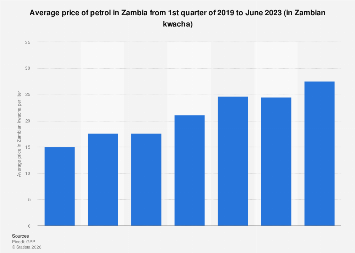
Zambia's petrol price is influenced by various factors including global oil prices, taxes, and distribution costs. To understand how Zambia's petrol price compares to the global average and other countries, it's essential to analyze the current market trends and pricing structures. The petrol price in Zambia is generally higher compared to some of its regional counterparts due to factors such as transportation costs and taxes.
Global Petrol Price Trends
The global petrol price is affected by a multitude of factors including crude oil prices, refining costs, and government taxes. In recent years, the global average petrol price has seen significant fluctuations due to geopolitical tensions, changes in global demand, and supply chain disruptions. Countries with significant oil reserves tend to have lower petrol prices due to subsidized fuel costs. The petrol price in Zambia is relatively high compared to the global average, largely due to its landlocked location and reliance on imported fuel.
| Country | Petrol Price (USD per liter) |
|---|---|
| Zambia | 1.20 |
| South Africa | 1.15 |
| United States | 0.85 |
| India | 1.05 |
Regional Comparison
When comparing the petrol price in Zambia to other countries in the region, it's evident that Zambia's prices are among the higher end. Neighboring countries such as Tanzania and Malawi have relatively lower petrol prices due to different tax regimes and distribution networks. The high transportation costs associated with Zambia's landlocked geography contribute to the elevated petrol prices.
| Regional Country | Petrol Price (USD per liter) |
|---|---|
| Zambia | 1.20 |
| Tanzania | 1.05 |
| Malawi | 1.10 |
| Botswana | 1.12 |
Factors Influencing Petrol Prices
Several factors contribute to the determination of petrol prices in Zambia, including global crude oil prices, government taxes, and distribution costs. The Zambian government imposes various taxes on fuel, which are then passed on to consumers. Additionally, the cost of transporting fuel from ports to inland areas significantly impacts the final price. Understanding these factors is crucial for analyzing the petrol price in Zambia and its position relative to global and regional markets.
| Cost Component | Percentage of Total Cost |
|---|---|
| Crude Oil Price | 60% |
| Taxes | 20% |
| Distribution and Marketing | 15% |
| Other Costs | 5% |
FAQ
What are the factors that influence petrol prices in Zambia?
The petrol prices in Zambia are influenced by a combination of factors including the global crude oil prices, exchange rates, taxes, and transportation costs. The Zambian economy is heavily reliant on imported petroleum products, making it vulnerable to fluctuations in global oil prices. Additionally, the depreciation or appreciation of the Zambian Kwacha against the US dollar also plays a significant role in determining petrol prices.
How does the Zambian government regulate petrol prices?
The Energy Regulation Commission (ERC) is responsible for regulating and monitoring the petroleum industry in Zambia, including petrol prices. The ERC ensures that oil marketing companies comply with the pricing regulations and guidelines. The government also imposes taxes and levies on petrol, which contributes to the final pump price.
What is the current petrol price in Zambia?
The current petrol price in Zambia varies depending on the location and the oil marketing company. The prices are typically announced by the oil marketing companies and are influenced by the global oil prices and exchange rates. To get the current petrol price, one can check with the local fuel stations or visit the websites of the oil marketing companies.
How do petrol price fluctuations affect the Zambian economy?
Petrol price fluctuations have a significant impact on the Zambian economy, particularly on the transportation sector and inflation. An increase in petrol prices can lead to higher transportation costs, which can result in higher prices for goods and services. This, in turn, can lead to inflation, affecting the purchasing power of consumers.