
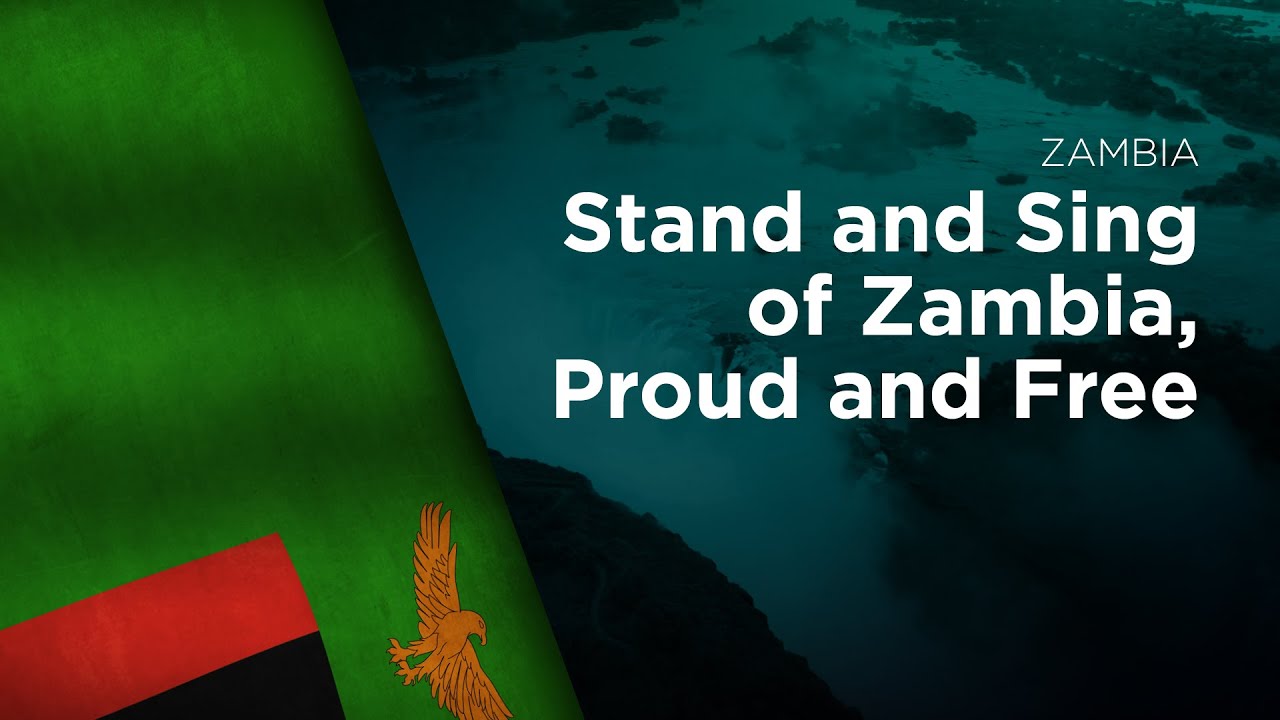
10 months ago · Updated 10 months ago
The '', titled Stand and Sing of Zambia, Proud and Free, is a symbol of national pride and identity. Adopted upon gaining independence in 1964, the anthem reflects the country's rich cultural heritage and its people's aspirations. The song's melody is derived from a hymn composed by Enoch Sontonga, a South African musician. The Zambian government has emphasized the importance of the anthem in fostering unity and patriotism among its citizens. This article will examine the history, significance, and cultural impact of the '' on the nation and its people.

Understanding the Significance of the Zambia National Anthem
The Zambia national anthem is a symbol of national pride and identity, reflecting the country's history, values, and aspirations. Adopted upon gaining independence in 1964, it has been an integral part of Zambian culture and is sung on various national occasions.
The History Behind the Zambia National Anthem
The Zambia national anthem, titled Stand and Sing of Zambia, Proud and Free, was adopted in 1964 when Zambia gained independence from British colonial rule. The anthem was chosen through a national competition that sought to capture the essence of Zambian identity and the spirit of independence.
The Composition of the Zambia National Anthem
The lyrics of the Zambia national anthem were written by a collective effort, with the melody being adopted from a hymn titled Nkosi Sikelel' iAfrika, a song that has been significant in the history of Southern Africa, having been used by various countries in the region, including South Africa and Zimbabwe, during their struggles for independence. The melody is considered a unifying element across the region.
Cultural Significance of the Zambia National Anthem
The Zambia national anthem holds significant cultural value as it is sung during national events, government functions, and at schools. It serves as a reminder of the country's struggle for independence and its commitment to freedom and unity. The anthem is a unifying force, bringing together Zambians from diverse backgrounds.
The Role of the Zambia National Anthem in National Identity
The Zambia national anthem plays a crucial role in shaping and expressing national identity. It is a symbol of sovereignty and patriotism, evoking feelings of pride and belonging among Zambians. The anthem is also an important educational tool, teaching younger generations about the country's history and values.
Comparative Analysis of National Anthems
While the Zambia national anthem shares some similarities with other national anthems in terms of its role and significance, its unique history and melody set it apart. A comparison with other national anthems can provide insights into the diverse ways countries express their national identity and values.
| Country | National Anthem Title | Adoption Year |
| Zambia | Stand and Sing of Zambia, Proud and Free | 1964 |
| South Africa | Nkosi Sikelel' iAfrika (partially used in the current anthem) | 1997 (current version) |
| Zimbabwe | Simudzai Mureza wedu WeZimbabwe/Nkosi Sikelel' iAfrika | 1994 |
Understanding the Significance of the Zambia National Anthem: A Comprehensive Guide
What is the official title of Zambia's national anthem?

The official title of Zambia's national anthem is 'Stand and Sing of Zambia, Proud and Free'.
Historical Background
The 'zambia national anthem', titled 'Stand and Sing of Zambia, Proud and Free', has a rich historical background. It was adopted upon Zambia's independence in 1964. The melody is taken from the hymn 'Nkosi Sikelel' iAfrika', which was composed by Enoch Sontonga, a South African Methodist school teacher. The song became a pan-African liberation song and was later adopted by several African countries, including Zambia, with modifications to the lyrics to suit their individual national identities.
| Year | Event |
|---|---|
| 1964 | Adoption of the 'zambia national anthem' |
| 1897 | Composition of 'Nkosi Sikelel' iAfrika' by Enoch Sontonga |
Musical Composition
The melody of the 'zambia national anthem' is characterized by its solemn and uplifting tune, which is derived from 'Nkosi Sikelel' iAfrika'. The song is typically performed in a majestic and solemn manner during national events and ceremonies, evoking a sense of patriotism and unity among Zambians. The anthem's melody is designed to be easily sung along by the citizens, fostering a sense of national pride and identity.
| Characteristics | Description |
|---|---|
| Solemn Tune | The melody is designed to evoke a sense of patriotism and unity |
| Performance Style | Typically performed in a majestic and solemn manner |
National Significance
The 'zambia national anthem' plays a significant role in promoting national unity and identity. It is sung on various national occasions, including independence celebrations, government ceremonies, and international events. The anthem serves as a unifying force, reminding Zambians of their shared history, culture, and values. Its performance is often accompanied by the display of the national flag and other patriotic symbols, further reinforcing its significance.
| Occasions | Description |
|---|---|
| Independence Celebrations | The anthem is sung to commemorate Zambia's independence |
| Government Ceremonies | The anthem is performed during official government events |
What are the complete lyrics of Zambia's national anthem?
The complete lyrics of Zambia's national anthem are as follows:
Stand and sing of Zambia, proud and free,
Land of work and joy in unity,
Victors in the struggle for the right,
We've won freedom's fight.
All one, strong and free.
Africa is our own motherland,
Fashion'd with and blessed by God's good hand,
Let's all her people join as one,
Brothers under the sun.
All one, strong and free.
One land and one nation is our cry,
Dignity and love we've won with might.
Free the bound, and bring to the land,
Peace and unity, one Zambian one nation,
Free the bound, and bring to the land,
One Zambia, one nation.
Historical Context of Zambia National Anthem
The 'zambia national anthem' has a rich history that dates back to the country's independence in 1964. The anthem was adopted as a symbol of national unity and pride. The lyrics reflect the country's struggle for independence and its aspirations for a unified and prosperous future. The anthem is sung with great fervor during national events and celebrations, evoking a sense of patriotism and unity among Zambians.
| Year | Event | Significance |
|---|---|---|
| 1964 | Independence | Adoption of the 'zambia national anthem' |
| 1994 | New National Anthem | Adoption of the current 'zambia national anthem' lyrics |
Musical Composition of Zambia National Anthem
The 'zambia national anthem' is a melody that is both solemn and uplifting, reflecting the country's history and aspirations. The musical composition is characterized by a solemn tune that is easy to sing along to, making it accessible to people of all ages. The anthem is typically performed during official events and national celebrations, accompanied by a military band or a choir.
| Musical Element | Description |
|---|---|
| Melody | Solemn and uplifting tune |
| Harmony | Simple and harmonious accompaniment |
| Rhythm | Moderate and dignified rhythm |
Significance of Zambia National Anthem
The 'zambia national anthem' is a symbol of national identity and unity, reflecting the country's history, values, and aspirations. The anthem is sung with great pride during national events, fostering a sense of national pride and unity among Zambians. The lyrics emphasize the importance of unity, freedom, and dignity, serving as a reminder of the country's struggles and achievements.
| Theme | Description |
|---|---|
| Unity | Emphasis on national unity and cohesion |
| Freedom | Celebration of Zambia's independence and freedom |
| Dignity | Reflection of the country's values and aspirations |
What is the significance of singing the national anthem in Zambia?
The significance of singing the national anthem in Zambia lies in its role as a unifying factor for the citizens of the country. Singing the Zambia national anthem, 'Stand and Sing of Zambia, Proud and Free', is a way to express patriotism and national pride. It is sung on various occasions such as national events, government gatherings, and during the country's independence celebrations. The act of singing the anthem serves as a reminder of the country's history, its struggle for independence, and the values that Zambians hold dear.
Promoting National Unity
Singing the national anthem promotes national unity by bringing together people from different backgrounds and regions. It is a symbol of national identity and is considered an important part of Zambia's cultural heritage. When Zambians sing their national anthem, they are expressing their commitment to the country's sovereignty and their pride in being part of the Zambian nation.
| Occasion | Frequency of Singing |
| National Events | Always |
| Government Gatherings | Usually |
| Independence Celebrations | Always |
Patriotic Expression
The Zambia national anthem is a powerful tool for expressing patriotism. When sung with conviction, it evokes feelings of national pride and loyalty. The lyrics of the anthem highlight the country's rich natural resources and its people's resilience. Singing the anthem is a way for Zambians to reaffirm their love for their country and their commitment to its development. It is an important part of Zambia's national identity and plays a significant role in shaping the country's culture.
| Aspect | Description |
|---|---|
| Lyrical Content | Highlights country's natural resources and people's resilience |
| Emotional Impact | Evokes feelings of national pride and loyalty |
| Cultural Significance | Important part of Zambia's national identity and culture |
Cultural Significance in Education
In Zambia, the national anthem is also an important part of the education system. Schools play a significant role in teaching children the anthem and its significance. By learning the anthem, young Zambians are taught about the country's history, its values, and its cultural heritage. This helps to instill a sense of patriotism and national pride in the younger generation, ensuring that the country's cultural identity is preserved for years to come.
| Educational Level | Significance of Anthem |
| Primary | Introduced to the anthem and its basic significance |
| Secondary | Deeper understanding of the anthem's history and cultural significance |
| Tertiary | Appreciation of the anthem's role in national identity and unity |
Are there any countries that do not have a recognized national anthem?
There are several countries that do not have a recognized national anthem or have adopted one relatively recently. One such example is the United Kingdom, which has 'God Save the King' as its de facto national anthem, although it is not officially recognized as such. On the other hand, some countries like Zambia have a well-established national anthem, 'Stand and Sing of Zambia, Proud and Free', also known as the 'zambia national anthem', which is a symbol of national pride and identity.
Countries Without a National Anthem
Some countries do not have a formally adopted national anthem. For instance, the United Kingdom, as mentioned earlier, uses 'God Save the King' as a de facto national anthem during certain events, but it is not legally recognized as the national anthem. Other countries like Spain have a national anthem, 'La Marcha Real', but it is unusual in that it is one of the few national anthems without official lyrics. The absence or presence of a national anthem can be due to various historical, cultural, or political reasons.
| Country | De Facto or Unofficial Anthem |
|---|---|
| United Kingdom | God Save the King |
| Spain | La Marcha Real |
Historical Context of National Anthems
The adoption of national anthems is often tied to a country's history and its struggle for independence or sovereignty. For example, Zambia adopted its national anthem, 'Stand and Sing of Zambia, Proud and Free', upon gaining independence. Understanding the historical context can provide insights into why certain countries have or lack a national anthem. The 'zambia national anthem' is a reflection of the country's rich cultural heritage and its aspirations as a nation.
| Country | Year of Independence | National Anthem |
|---|---|---|
| Zambia | 1964 | Stand and Sing of Zambia, Proud and Free |
| India | 1947 | Jana Gana Mana |
Symbolism of National Anthems
National anthems are not just songs; they are symbols of national identity and unity. They are often sung during national events, ceremonies, and international gatherings like the Olympics. The lyrics and melody of a national anthem can evoke strong emotions and a sense of patriotism among citizens. In the case of Zambia, its national anthem is a source of national pride and is sung with fervor during national events, reflecting the country's values and history.
| National Anthem | Country | Occasion for Singing |
|---|---|---|
| Stand and Sing of Zambia, Proud and Free | Zambia | National events, Independence Day |
| Jana Gana Mana | India | National events, Republic Day |
FAQ
What is the title of the Zambia national anthem?
The title of the Zambia national anthem is Stand and Sing of Zambia, Proud and Free. It is a symbol of national pride and identity, reflecting the country's rich history and cultural heritage.
Who composed the Zambia national anthem?
The Zambia national anthem was composed by a team led by Enoch Sontonga, although it's worth noting that the melody is actually based on a song by Enoch Sontonga, a South African composer, and the Zambian lyrics were written by a team of Zambian authors.
When was the Zambia national anthem adopted?
The Zambia national anthem was adopted at the time of the country's independence on 24 October 1964. It has since been an integral part of Zambian national identity and is sung on various national occasions.
What is the significance of the Zambia national anthem?
The Zambia national anthem is significant because it embodies the country's values, history, and aspirations. It is sung to express national pride and unity, and to celebrate Zambia's independence and sovereignty.