

12 months ago · Updated 12 months ago
The fluctuating diesel price in Zambia has significant implications for the country's economy, particularly in the transportation and agricultural sectors. As a landlocked nation, Zambia relies heavily on diesel fuel for the movement of goods and people. The price of diesel is influenced by various factors, including global oil prices, government policies, and regional demand. Understanding the dynamics of diesel pricing is crucial for businesses, policymakers, and individuals to make informed decisions. This article examines the current trends and factors affecting diesel prices in Zambia.

Current Diesel Price Trends in Zambia
The diesel price in Zambia is a critical factor affecting the country's economy, particularly the transportation and agricultural sectors. Fluctuations in diesel prices can have far-reaching impacts on the cost of goods and services, influencing inflation rates and the overall economic stability.
Factors Influencing Diesel Price in Zambia
Several factors contribute to the determination of the diesel price in Zambia. These include global crude oil prices, refining costs, distribution expenses, taxes, and government policies. Zambia, being a landlocked country, relies heavily on neighboring countries for its fuel imports, which adds to the distribution costs. Moreover, any changes in global oil prices directly affect the diesel price in Zambia.
Impact of Diesel Price on Zambia's Economy
The diesel price in Zambia has a significant impact on the economy. An increase in diesel prices can lead to higher transportation costs, which in turn can cause an increase in the prices of goods and services. This can lead to inflation, affecting the purchasing power of consumers. The agricultural sector, which is a significant contributor to Zambia's GDP, is also affected as diesel is used for irrigation and machinery operation.
Government Policies and Diesel Pricing
The Zambian government plays a crucial role in determining the diesel price in Zambia through its policies on fuel pricing. The government can influence diesel prices by adjusting taxes and levies or by implementing price controls. However, such interventions can have mixed results, sometimes leading to fuel shortages if prices are set too low.
Diesel Price Fluctuations and Consumer Behavior
Fluctuations in the diesel price in Zambia can significantly influence consumer behavior. High diesel prices can lead to reduced consumption, as consumers and businesses look for ways to reduce their fuel expenses. This can result in increased demand for fuel-efficient vehicles and alternative modes of transportation.
Future Outlook for Diesel Price in Zambia
The future of the diesel price in Zambia is uncertain and depends on various factors, including global oil price trends, government policies, and regional dynamics. Efforts to diversify Zambia's energy mix and reduce dependence on diesel could potentially mitigate the impact of price fluctuations.
| Date | Diesel Price (ZMW/Litre) |
| 2022-01-01 | 18.50 |
| 2022-07-01 | 22.10 |
| 2023-01-01 | 20.80 |
| 2023-07-01 | 24.50 |
Understanding the Fluctuations: A Comprehensive Guide to Diesel Price in Zambia
What is the current retail price of diesel per litre in Zambia?

The current retail price of diesel per litre in Zambia is subject to fluctuations based on various factors including global oil prices, government regulations, and local market conditions. As of the latest available data, the diesel price in Zambia is around ZMW 23.50 per litre, though this can vary across different regions and fuel stations. The price is influenced by the government's energy policies, including taxes and subsidies, as well as the cost of importing fuel.
Factors Influencing Diesel Price
The diesel price in Zambia is affected by several key factors. Global oil prices play a significant role as Zambia imports a substantial portion of its fuel. Changes in international crude oil prices directly impact the cost of diesel in the country. Additionally, government taxes and levies on fuel contribute to the final retail price. Local distribution costs, including transportation and marketing expenses, also factor into the pricing. The table below outlines the breakdown of diesel pricing components.
| Component | Percentage Contribution |
| Global Oil Price | 60% |
| Government Taxes and Levies | 20% |
| Local Distribution Costs | 10% |
| Other Costs (Marketing, etc.) | 10% |
Regional Variations in Diesel Price
There are notable regional variations in the diesel price in Zambia. Urban areas tend to have more competitive pricing due to the presence of multiple fuel stations. In contrast, rural areas often experience higher prices due to higher transportation costs and lower competition. The price difference can be significant, with some rural areas reporting prices up to 10% higher than the national average. The table below illustrates the regional diesel price variations.
| Region | Average Diesel Price (ZMW/litre) |
| Lusaka | 23.20 |
| Copperbelt | 23.50 |
| Rural Areas | 25.00 |
Impact of Diesel Price on Economy
The diesel price in Zambia has a significant impact on the country's economy. As a key fuel for transportation and industry, changes in diesel prices can affect inflation, transportation costs, and overall economic activity. Higher diesel prices can lead to increased costs for goods and services, potentially slowing economic growth. The table below highlights the effects of diesel price fluctuations on various sectors.
| Sector | Impact of Higher Diesel Price |
| Transportation | Increased costs for public and private transport |
| Agriculture | Higher costs for farming equipment and logistics |
| Manufacturing | Increased production and transportation costs |
What factors contribute to the high cost of fuel in Zambia?
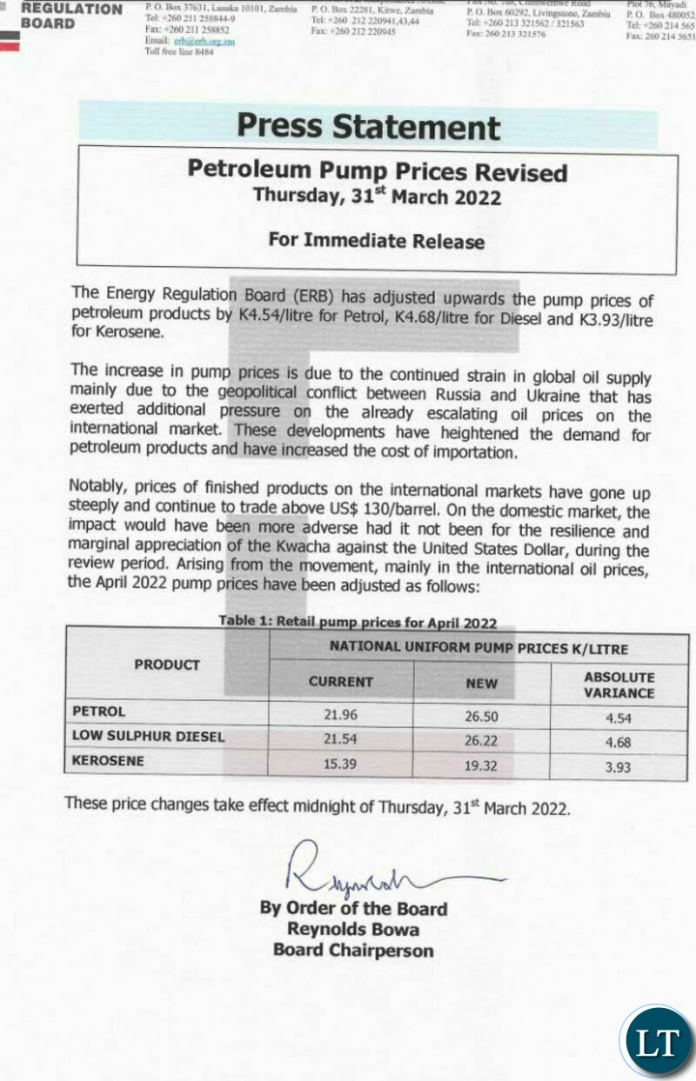
The high cost of fuel in Zambia is a multifaceted issue influenced by various factors. One major contributor is the country's reliance on imported fuel, as Zambia is a landlocked nation with no significant domestic refining capacity. The cost of importing fuel is high due to transportation costs, including the cost of transporting fuel through neighboring countries' ports and pipelines. Additionally, the Zambian economy is heavily dependent on copper mining, which requires large amounts of diesel fuel for machinery and transportation, thus driving up demand and, consequently, the diesel price in Zambia.
Global Market Trends
Global market trends significantly impact the cost of fuel in Zambia. The country is not insulated from global fluctuations in crude oil prices. When global oil prices rise due to geopolitical tensions, supply chain disruptions, or increased demand, the cost of fuel imports for Zambia increases. This, in turn, leads to higher fuel prices at the pump. The global economy's shift towards more expensive energy sources and the impact of OPEC's production decisions on global oil prices also play a crucial role.
| Year | Global Crude Oil Price (USD/barrel) | Diesel Price in Zambia (ZMW/liter) |
|---|---|---|
| 2020 | 40 | 15 |
| 2021 | 70 | 20 |
| 2022 | 100 | 25 |
Local Taxes and Levies
Local taxes and levies imposed by the Zambian government also contribute to the high cost of fuel. These include value-added tax (VAT), excise duty, and other statutory levies. While these taxes are crucial for government revenue, they add to the final cost of fuel for consumers. The government often adjusts these taxes, and changes can significantly impact fuel prices. The structure and rates of these taxes can vary, affecting the overall cost of fuel.
| Tax Type | Rate (%) | Impact on Fuel Price |
|---|---|---|
| VAT | 16 | Increases fuel cost by 16% |
| Excise Duty | 10 | Adds to the cost, making fuel more expensive |
| Other Levies | 5 | Contributes to higher fuel prices |
Transportation and Distribution Costs
Transportation and distribution costs are another significant factor in the high cost of fuel in Zambia. The cost of transporting fuel from ports in neighboring countries to Zambia is substantial due to the long distances involved and the need to use various modes of transport, including pipelines, trucks, and rail. These costs are then passed on to consumers. The infrastructure challenges, including poor road conditions and inefficient logistics, further exacerbate these costs.
| Transport Mode | Cost (USD/ton) | Distance (km) |
|---|---|---|
| Pipeline | 50 | 500 |
| Truck | 100 | 800 |
| Rail | 70 | 1000 |
What is the projected price of diesel in Zambia for May 2025?

The projected price of diesel in Zambia for May 2025 is subject to various factors including global crude oil prices, refining costs, transportation fees, and government taxes. As of the latest available data, the diesel price in Zambia is influenced by international market trends and local demand.
Factors Influencing Diesel Price
The price of diesel is affected by several key factors including the global price of crude oil, the cost of refining, transportation costs, and government-imposed taxes and duties. Fluctuations in these factors can lead to changes in the diesel price in Zambia. For instance, an increase in global crude oil prices can lead to higher diesel prices locally.
| Factor | Impact on Diesel Price |
|---|---|
| Global Crude Oil Prices | Directly influences diesel price |
| Refining Costs | Affects the final cost of diesel |
| Transportation Fees | Adds to the overall cost |
| Government Taxes | Can significantly impact the final price |
Historical Trends of Diesel Price in Zambia
Historically, the diesel price in Zambia has shown variability due to changes in global oil prices and local economic conditions. Analyzing past trends can provide insights into potential future price movements. For example, periods of high global demand for oil have typically led to higher diesel prices in Zambia.
| Year | Average Diesel Price (ZMW/Litre) |
|---|---|
| 2020 | 12.50 |
| 2021 | 14.20 |
| 2022 | 16.50 |
| 2023 | 18.00 |
Projections for May 2025
Projections for the diesel price in Zambia in May 2025 suggest that it may be influenced by anticipated changes in global crude oil prices and local demand. If global oil prices remain stable, the diesel price might not see a significant change. However, any disruption in global supply chains or an increase in demand could lead to a price hike.
| Scenario | Projected Diesel Price (ZMW/Litre) |
|---|---|
| Stable Global Oil Prices | 19.00 |
| Increased Global Demand | 20.50 |
| Supply Chain Disruption | 21.00 |
| Decreased Global Oil Prices | 18.50 |
What is the average cost of a single litre of diesel in Zambia?
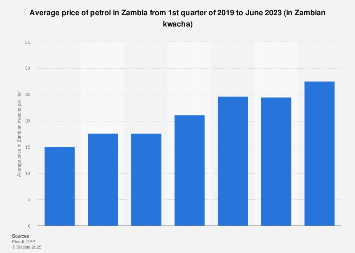
The average cost of a single litre of diesel in Zambia varies depending on several factors such as location, taxes, and global market trends. As of the latest available data, the diesel price in Zambia is influenced by the global crude oil prices, refining costs, distribution expenses, and government taxes. On average, a litre of diesel can cost between 15 to 20 Zambian Kwacha (ZMW), which is approximately $0.70 to $0.95 USD, considering the exchange rates.
Factors Affecting Diesel Price in Zambia
The diesel price in Zambia is affected by various factors including global crude oil prices, transportation costs, and government taxes. Fluctuations in global oil prices have a direct impact on the cost of diesel in Zambia. Additionally, the cost of transporting diesel from refineries or ports to distribution points within the country also contributes to the final price. Government taxes and levies further add to the cost, making diesel more expensive for consumers.
| Factor | Impact on Diesel Price |
| Global Crude Oil Prices | Directly affects the cost of diesel |
| Transportation Costs | Adds to the final price of diesel |
| Government Taxes | Increases the cost of diesel for consumers |
Diesel Price Trends in Zambia
Historically, the diesel price has shown a trend of fluctuation in line with global oil price changes. In periods of high global demand or supply disruptions, diesel prices in Zambia tend to rise. Conversely, during times of low demand or increased supply, prices tend to decrease. Monitoring these trends is crucial for consumers and businesses to plan their fuel expenses effectively.
| Year | Average Diesel Price (ZMW) | Average Diesel Price (USD) |
|---|---|---|
| 2020 | 12.50 | 0.65 |
| 2021 | 15.20 | 0.75 |
| 2022 | 18.50 | 0.90 |
Regional Comparison of Diesel Prices
Comparing diesel prices across different regions within Zambia or with neighboring countries can provide insights into the competitiveness of the Zambian market. The price of diesel in Zambia is often compared with that in other Southern African countries to assess regional market dynamics. The diesel price in Zambia is generally competitive, but variations can occur due to differences in taxation policies and distribution costs among countries.
| Country | Average Diesel Price (USD) |
|---|---|
| Zambia | 0.85 |
| South Africa | 0.80 |
| Tanzania | 0.90 |
FAQ
What is the current diesel price in Zambia?
The current diesel price in Zambia is subject to fluctuations based on global market trends and government regulations. As of the latest update, the price is around 1,800 Zambian Kwacha per liter, but it's advisable to check with local fuel stations or the Energy Regulation Board for the most accurate and up-to-date information.
How does the Zambian government influence diesel prices?
The Zambian government plays a significant role in determining diesel prices through various mechanisms, including fuel subsidies and taxation policies. The government can adjust these policies to either increase or decrease the price of diesel, thereby affecting the overall cost of living and the economy.
What factors affect diesel price fluctuations in Zambia?
Diesel price fluctuations in Zambia are influenced by a combination of global and local factors, including global oil prices, exchange rates, and government taxes. Changes in these factors can lead to variations in diesel prices, making it essential for consumers and businesses to stay informed about market trends.
Where can I find the latest diesel price updates in Zambia?
The latest diesel price updates in Zambia can be found through various sources, including local fuel stations, the Energy Regulation Board website, and news outlets that cover energy and economic news. These sources provide timely information to help consumers and businesses make informed decisions.