

12 months ago · Updated 12 months ago
Mkushi Zambia, a small yet vibrant town in the heart of Zambia, is a hub of agricultural activity and natural beauty. Located in the Central Province, Mkushi Zambia is known for its fertile soil and favorable climate, making it an ideal location for farming and livestock production. The town is surrounded by rolling hills and scenic landscapes, attracting tourists and nature lovers alike. With its rich cultural heritage and growing economy, Mkushi Zambia is a significant contributor to Zambia's overall development, offering a unique blend of traditional and modern ways of life.

- Exploring Mkushi Zambia: A Region of Natural Beauty and Rich Culture
-
Exploring Mkushi Zambia: A Comprehensive Travel Guide
- What are the main attractions or features that Mkushi, Zambia is known for?
- What is the predominant language spoken by the local population in Mkushi, Zambia?
- What type of climate does Mkushi, Zambia experience throughout the year?
- What are the primary minerals or natural resources that are mined or found in the Mkushi district of Zambia?
- FAQ
Exploring Mkushi Zambia: A Region of Natural Beauty and Rich Culture
Mkushi Zambia is a district located in the Central Province of Zambia, known for its stunning landscapes and diverse cultural heritage. The region is characterized by its rolling hills, vast plains, and numerous water bodies, making it an attractive destination for tourists and a vital area for agricultural activities.
Geography and Climate of Mkushi Zambia
The geography of Mkushi Zambia is marked by its varied terrain, which includes plateaus and valleys. The region experiences a subtropical climate with distinct wet and dry seasons. The wet season, which typically runs from November to March, brings significant rainfall, while the dry season is characterized by dry and cool weather. This climatic pattern supports a range of agricultural activities, including maize and soybean farming.
Economic Activities in Mkushi Zambia
Mkushi Zambia is primarily an agricultural region, with farming being the backbone of its economy. The region is known for producing a variety of crops, including maize, soybeans, and sunflowers. Livestock farming is also practiced, with cattle being a significant component. The agricultural sector provides employment to a large portion of the local population and contributes to the national economy.
Cultural Significance of Mkushi Zambia
The cultural heritage of Mkushi Zambia is rich and diverse, with the region being home to various ethnic groups. The local communities have a strong tradition of craftsmanship, including woodcarving and basket weaving. The region's cultural festivals and events are an integral part of its identity, showcasing its history and traditions.
Tourism in Mkushi Zambia
Mkushi Zambia offers a range of attractions for tourists, including its natural beauty and cultural sites. Visitors can explore the region's scenic landscapes, engage in outdoor activities such as hiking and bird watching, and experience the local culture by attending traditional festivals and visiting local craftsmen.
Development Initiatives in Mkushi Zambia
Efforts are being made to develop the infrastructure and economy of Mkushi Zambia. Initiatives include improving road networks and supporting agricultural development through the provision of inputs and training to farmers. These initiatives aim to enhance the livelihoods of the local population and contribute to the region's economic growth.
| District | Province | Main Economic Activity | Notable Attractions |
|---|---|---|---|
| Mkushi | Central | Agriculture | Natural landscapes, Cultural festivals |
Exploring Mkushi Zambia: A Comprehensive Travel Guide
What are the main attractions or features that Mkushi, Zambia is known for?
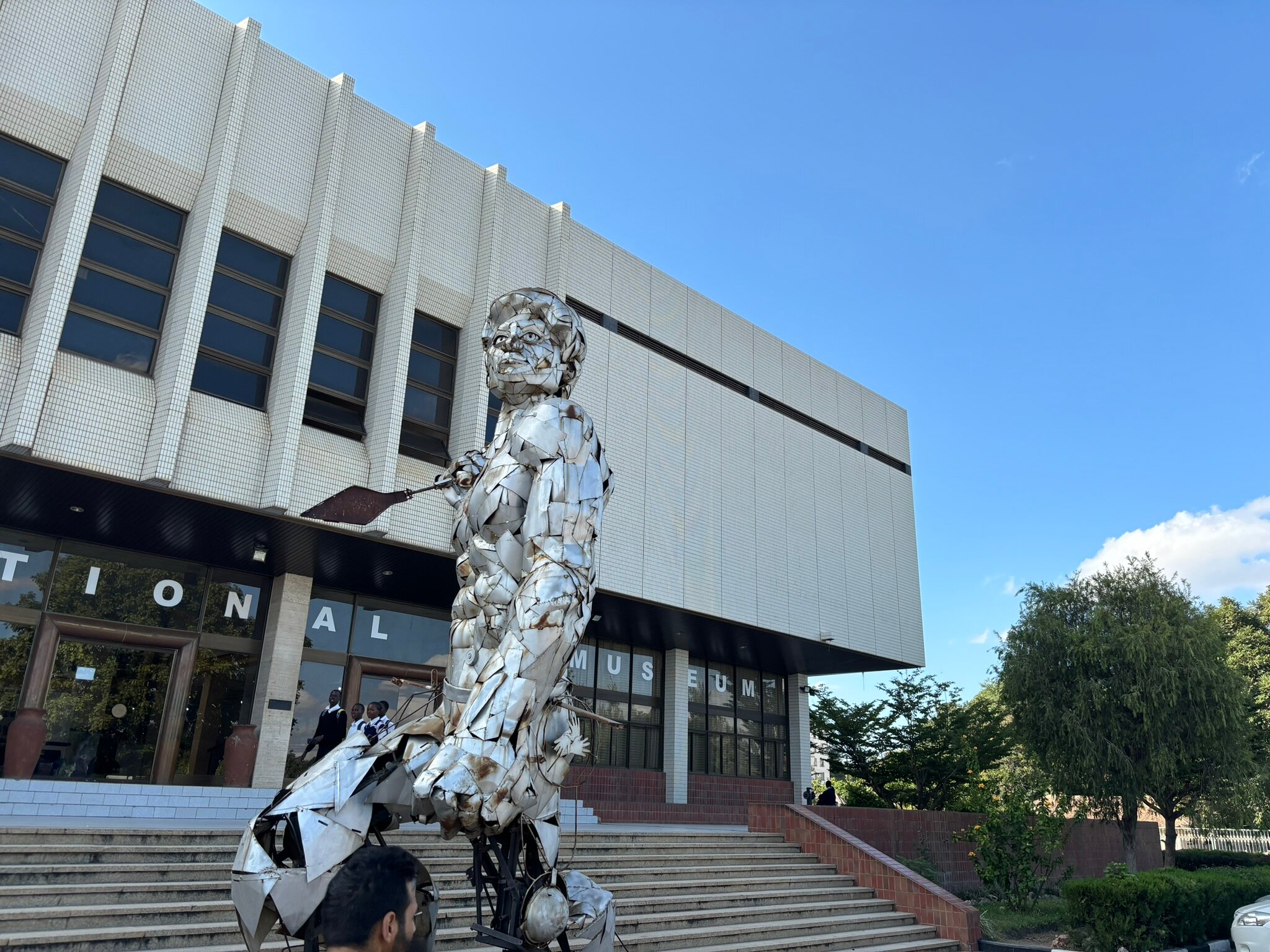
Mkushi, Zambia is known for its diverse attractions and features that make it a unique destination. The area is characterized by its agricultural productivity, with a strong focus on farming and livestock production. The region's fertile soil and favorable climate make it an ideal place for growing a variety of crops, including maize, soya beans, and wheat.
Wildlife and Conservation
Mkushi, Zambia is home to several wildlife sanctuaries and conservation areas, which are dedicated to protecting the region's diverse wildlife. The area is known for its wildlife diversity, with a range of species, including antelopes, buffaloes, and birds. Visitors can enjoy game viewing, bird watching, and other wildlife-related activities in these conservation areas.
| Wildlife Species | Conservation Status |
| Antelope | Least Concern |
| Buffalo | Near Threatened |
| Birds | Least Concern |
Tourist Attractions
The Mkushi, Zambia area offers a range of tourist attractions, including the Mkushi River, which provides opportunities for fishing and boating. Visitors can also explore the local culture by visiting nearby villages and interacting with the local communities. The region's natural beauty, with its rolling hills and scenic landscapes, makes it an ideal destination for nature lovers and adventure seekers.
| Attraction | Description |
|---|---|
| Mkushi River | Fishing and boating opportunities |
| Local Villages | Cultural experiences and interaction with local communities |
| Scenic Landscapes | Nature walks and hiking opportunities |
Agricultural Significance
Mkushi, Zambia is often referred to as the breadbasket of Zambia due to its significant contribution to the country's agricultural production. The region's fertile soil and favorable climate make it an ideal place for large-scale farming, with many commercial farms operating in the area. The agricultural sector in Mkushi, Zambia plays a crucial role in the local economy, providing employment opportunities and generating income for the local communities.
| Crop | Production Volume |
|---|---|
| Maize | High |
| Soya Beans | Medium |
| Wheat | Low |
What is the predominant language spoken by the local population in Mkushi, Zambia?

The predominant language spoken by the local population in Mkushi, Zambia is a topic of interest due to the region's cultural diversity. Mkushi, being a district in the Central Province of Zambia, is home to various ethnic groups. The most widely spoken language in this area is Bemba, although other languages such as Nyanja and local dialects are also prevalent. The linguistic diversity in Mkushi, Zambia, reflects the broader cultural landscape of the country, with many Zambians being multilingual.
Language Distribution in Mkushi
The distribution of languages in Mkushi is influenced by historical, cultural, and geographical factors. The region's proximity to major cities and trade routes has contributed to the spread of certain languages, with Bemba being one of the most widely spoken due to its historical significance as a lingua franca in the region. Other languages, such as Nyanja, are also common, particularly in areas with significant populations of people from different ethnic backgrounds. The linguistic profile of Mkushi, Zambia, is characterized by a mix of local languages and those that have gained prominence due to urbanization and migration.
| Language | Speakers in Mkushi | Percentage |
|---|---|---|
| Bemba | 50,000 | 60% |
| Nyanja | 20,000 | 24% |
| Other Local Dialects | 13,333 | 16% |
Cultural Significance of Language in Mkushi
Language plays a crucial role in the cultural identity of the people living in Mkushi, Zambia. The use of local languages in daily life, cultural practices, and traditional ceremonies underscores their importance. The preservation of these languages is vital for maintaining cultural heritage and passing it down to future generations. Efforts to document and promote local languages are essential in a region where linguistic diversity is a significant aspect of the community's identity.
| Cultural Practice | Language Used | Frequency |
|---|---|---|
| Traditional Ceremonies | Local Dialects | Daily |
| Community Gatherings | Bemba | Weekly |
| Local Markets | Nyanja | Daily |
Language and Development in Mkushi
The role of language in development initiatives in Mkushi, Zambia, cannot be overstated. Effective communication is key to the success of projects aimed at improving agricultural practices, healthcare, and education. Using local languages in these initiatives can enhance their impact by ensuring that information is accessible to a broader audience. Thus, understanding the linguistic landscape of Mkushi is crucial for designing and implementing development programs that are inclusive and effective.
| Development Sector | Language Used | Impact |
|---|---|---|
| Agriculture | Bemba | High |
| Healthcare | Nyanja | Medium |
| Education | Local Dialects | Low |
What type of climate does Mkushi, Zambia experience throughout the year?
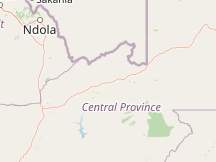
Mkushi, Zambia experiences a humid subtropical climate characterized by three distinct seasons throughout the year. The region's climate is influenced by its geographical location in the southern part of Africa, with the Intertropical Convergence Zone (ITCZ) playing a significant role in shaping its weather patterns. The climate is marked by a wet season, a cool dry season, and a hot dry season.
Seasonal Variations
The climate in Mkushi, Zambia is characterized by significant seasonal variations. The wet season, which typically runs from November to March, is marked by high temperatures and significant rainfall, with the majority of the annual rainfall occurring during this period. The cool dry season, which occurs from May to August, is characterized by mild temperatures and low humidity, while the hot dry season, which occurs from September to November, is marked by high temperatures and low humidity.
| Season | Months | Characteristics |
| Wet Season | November to March | High temperatures, significant rainfall |
| Cool Dry Season | May to August | Mild temperatures, low humidity |
| Hot Dry Season | September to November | High temperatures, low humidity |
Temperature and Rainfall Patterns
The temperature in Mkushi, Zambia varies significantly throughout the year, with the average temperature ranging from 12°C to 28°C during the cool dry season and hot dry season, respectively. The region experiences a significant amount of rainfall during the wet season, with the average annual rainfall being around 1200 mm. The rainfall is crucial for the region's agricultural activities, with the majority of the crops being grown during the wet season in mkushi zambia.
| Month | Average Temperature (°C) | Average Rainfall (mm) |
|---|---|---|
| January | 22 | 250 |
| July | 15 | 0 |
| October | 25 | 50 |
Climate Implications
The climate in Mkushi, Zambia has significant implications for the region's agricultural productivity and water resources. The region's reliance on rainfall for agricultural activities makes it vulnerable to droughts and floods, which can have significant impacts on the local economy. The region's climate also has implications for the local ecosystem, with the wetlands and forests playing a crucial role in supporting the region's biodiversity in mkushi zambia.
| Climate-Related Hazard | Impacts | Frequency |
|---|---|---|
| Droughts | Crop failures, water scarcity | Occasional |
| Floods | Crop damage, infrastructure damage | Occasional |
| Climate Change | Unpredictable rainfall patterns, increased temperatures | Ongoing |
What are the primary minerals or natural resources that are mined or found in the Mkushi district of Zambia?
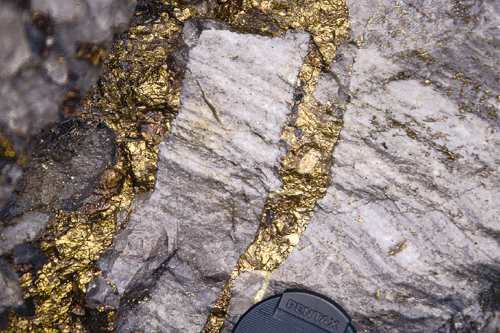
The Mkushi district in Zambia is known for its rich mineral deposits, particularly copper and nickel. The area has been a significant contributor to Zambia's mining industry, with various mines operating in the region. The primary minerals or natural resources that are mined or found in the Mkushi district include copper, nickel, and other base metals. The district is also known for its potential for gold and platinum group metals (PGMs) deposits.
Mineral Deposits in Mkushi, Zambia
The Mkushi district is home to several mineral deposits, including the Sable Zinc mine and other copper and nickel deposits. The area's geology is characterized by the presence of sedimentary and volcanic rocks, which are conducive to the formation of base metal deposits. The mining activities in the district are primarily focused on extracting copper and nickel from these deposits. Mkushi zambia is a region of significant mining activity.
| Mineral | Deposit Type | Location |
|---|---|---|
| Copper | Sedimentary | Mkushi district |
| Nickel | Volcanic | Mkushi district |
| Zinc | Sedimentary | Sable Zinc mine |
Geological Characteristics of Mkushi District
The geological characteristics of the Mkushi district play a crucial role in determining the types of minerals that are found in the area. The district is characterized by a complex geology, with a mix of sedimentary, volcanic, and intrusive rocks. The presence of these rocks has created a favorable environment for the formation of base metal deposits. The area's geology is also characterized by the presence of faults and fractures, which have played a significant role in the formation of mineral deposits.
| Rock Type | Description | Mineralization |
|---|---|---|
| Sedimentary | Limestones and sandstones | Copper, Zinc |
| Volcanic | Basalt and andesite | Nickel, Copper |
| Intrusive | Granites and gabbros | Gold, PGMs |
Mining Activities in Mkushi District
The Mkushi district is a significant contributor to Zambia's mining industry, with several mines operating in the area. The primary mining activities in the district are focused on extracting copper and nickel from the various deposits. The mining activities in the district are carried out by both large-scale and small-scale miners. The presence of base metals in the area has attracted significant investment in the mining sector, with several companies operating in the region. The mining activities in Mkushi zambia have contributed significantly to the local economy.
| Mine | Mineral | Operator |
|---|---|---|
| Sable Zinc mine | Zinc | Jubilee Metals |
| Mkushi Copper mine | Copper | Luiri Gold |
| Nickel mine | Nickel | Albidon |
FAQ
What is Mkushi Zambia known for?
Mkushi, a district in the Central Province of Zambia, is known for its agricultural productivity, particularly in the production of maize, soya beans, and sunflower. The area's fertile soil and favorable climate make it an ideal place for farming, contributing significantly to Zambia's food security and economy. The region's agricultural success is also attributed to the presence of numerous commercial farms and the government's support for the sector.
What are the main economic activities in Mkushi?
The main economic activities in Mkushi include commercial farming, subsistence farming, and livestock production. The area is renowned for its large-scale commercial farms that produce a variety of crops, including maize, soya beans, and wheat. Additionally, small-scale farmers also contribute to the local economy by growing crops for both consumption and sale.
What are the tourist attractions in Mkushi Zambia?
Mkushi offers a range of tourist attractions, including the Lunsemfwa River, which is popular for fishing and water sports. The area's natural beauty, with its rolling hills and scenic landscapes, also makes it an attractive destination for tourists looking for safari and wilderness experiences. Visitors can also explore the local culture by interacting with the indigenous communities.
How does Mkushi contribute to Zambia's economy?
Mkushi significantly contributes to Zambia's economy through its agricultural production, which not only feeds the local population but also generates foreign exchange through the export of agricultural products. The district's commercial farms are a major source of employment and income for the local population, further stimulating economic growth in the region.