
12 months ago · Updated 12 months ago
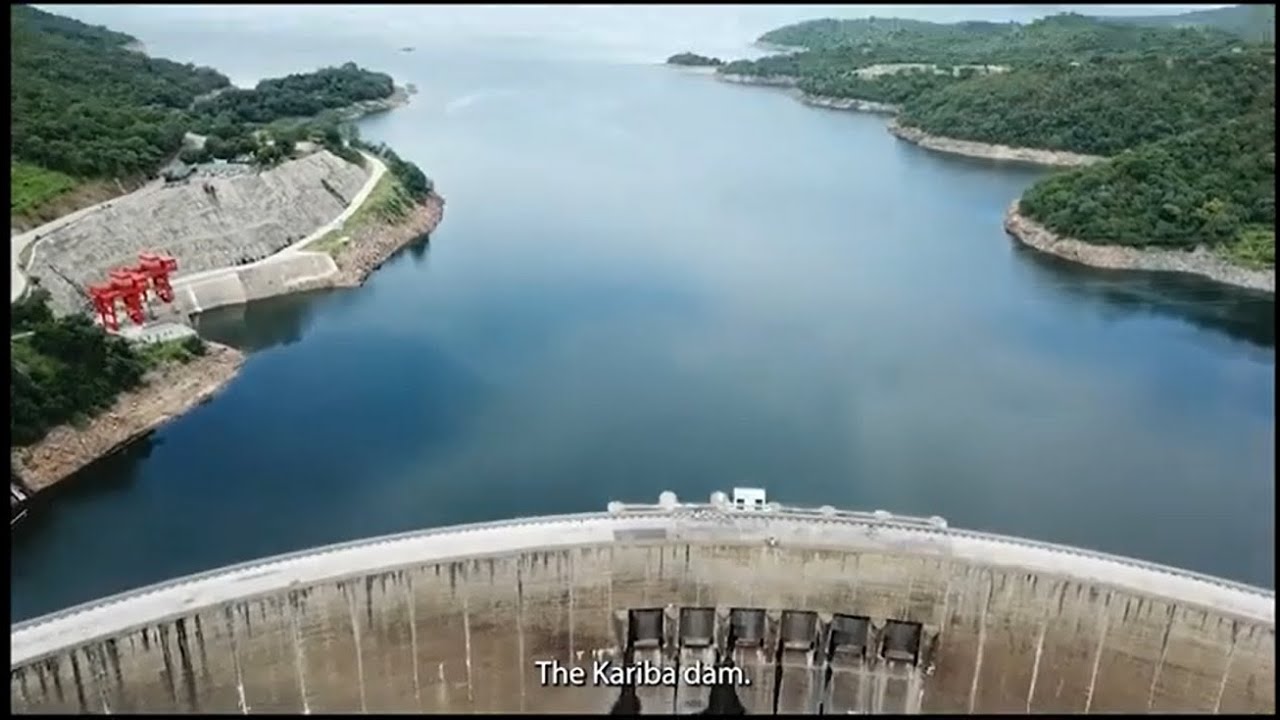
The '' is a monumental feat of engineering that has significantly impacted the region's ecosystem and economy. Located on the Zambezi River, the dam is one of Africa's largest hydroelectric power generation facilities. Constructed between 1955 and 1959, it has been a vital source of electricity for Zambia and Zimbabwe. The dam's creation formed Lake Kariba, a massive reservoir that has become a haven for wildlife and a popular tourist destination. The structure's importance extends beyond power generation, influencing the local environment, communities, and economies. Its legacy continues to be felt across the region.

- Overview of Kariba Dam Zambia
-
Exploring the Engineering Marvel of Kariba Dam Zambia: A Comprehensive Guide
- Is Kariba Dam one of the largest dams globally, and what is its significance in Zambia's infrastructure?
- What were the human losses during the construction of the Kariba Dam in Zambia/Zimbabwe?
- What historical events and purposes led to the construction of the Kariba Dam on the Zambia/Zimbabwe border?
- Were there any significant events or incidents recorded at the Kariba Dam on or around 15th February 1950, and what were the consequences?
- FAQ
Overview of Kariba Dam Zambia
The Kariba Dam Zambia is a significant hydroelectric power generation facility located on the Zambezi River, forming the border between Zambia and Zimbabwe. The dam is one of the largest in the world and plays a crucial role in the energy supply of both countries. It was constructed between 1955 and 1959 and has been a vital component in the regional energy infrastructure.
History of Kariba Dam Construction
The construction of the Kariba Dam began in 1955 and was completed in 1959. The project was undertaken by the Federation of Rhodesia and Nyasaland, with the primary aim of harnessing the hydroelectric potential of the Zambezi River. The construction process was complex and involved the labor of thousands of workers. The dam was officially opened on May 17, 1960.
Impact on Local Communities
The creation of Kariba Dam Zambia resulted in the displacement of local communities, with approximately 57,000 people relocated due to the rising water levels. The displacement had significant social and economic impacts on the affected communities. Efforts have been made over the years to mitigate these effects and improve the living conditions of the displaced populations.
Hydroelectric Power Generation
The Kariba Dam is equipped with two power stations, one on the Zambian side and one on the Zimbabwean side, with a combined generation capacity of over 1,600 MW. The dam is a vital source of renewable energy for both Zambia and Zimbabwe, contributing significantly to their national grids.
Economic Benefits
The Kariba Dam Zambia has contributed substantially to the local and national economies through the generation of hydroelectric power, creation of employment opportunities, and stimulation of economic activities such as fishing and tourism. The dam's presence has also facilitated the development of infrastructure in the region.
Environmental Considerations
The construction and operation of Kariba Dam have had environmental impacts, including alterations to the natural flow of the Zambezi River and effects on local ecosystems. Efforts are being made to manage these impacts and ensure the long-term sustainability of the dam's operations.
| Attribute | Value |
|---|---|
| Location | Zambezi River, Zambia/Zimbabwe border |
| Construction Period | 1955-1959 |
| Power Generation Capacity | Over 1,600 MW |
| Number of People Displaced | Approximately 57,000 |
| Economic Benefits | Hydroelectric Power, Employment, Tourism, Fishing |
Exploring the Engineering Marvel of Kariba Dam Zambia: A Comprehensive Guide
Is Kariba Dam one of the largest dams globally, and what is its significance in Zambia's infrastructure?
The Kariba Dam is indeed one of the largest dams globally and holds significant importance in Zambia's infrastructure. The dam is located on the Zambezi River, creating Lake Kariba, one of Africa's largest man-made lakes. It was constructed between 1955 and 1959, primarily to generate hydroelectric power for the region.
Significance in Power Generation
The Kariba Dam is a crucial component of Zambia's power generation infrastructure, with the Kariba Dam Zambia being a key source of hydroelectric power. The dam has a total installed capacity of 1,626 MW, making it one of the largest hydroelectric power plants in Africa. The power generated is shared between Zambia and Zimbabwe, with each country having its own power station on either side of the dam.
| Country | Installed Capacity (MW) | Annual Energy Production (GWh) |
|---|---|---|
| Zambia | 810 | 4,000 |
| Zimbabwe | 816 | 3,900 |
Economic and Social Impact
The construction of the Kariba Dam has had a profound impact on the local economy and communities. The creation of Lake Kariba has enabled the development of a significant fishing industry, providing a source of income for thousands of people. Additionally, the dam has facilitated the growth of tourism in the region, with many visitors drawn to the lake's recreational opportunities.
| Sector | Employment Opportunities | Economic Benefits |
|---|---|---|
| Fishing | 5,000 | $10 million |
| Tourism | 2,000 | $5 million |
Environmental Considerations
The Kariba Dam has also had significant environmental impacts, with the creation of Lake Kariba altering the natural ecosystem of the Zambezi River. The dam has affected the natural flow of the river, leading to changes in the surrounding landscape and wildlife habitats. Efforts have been made to mitigate these impacts, including the establishment of national parks and protected areas.
| Environmental Impact | Description | Mitigation Measures |
|---|---|---|
| Changes in River Flow | Alteration of natural river flow | Implementation of environmental flow releases |
| Habitat Disruption | Disruption of wildlife habitats | Establishment of national parks and protected areas |
What were the human losses during the construction of the Kariba Dam in Zambia/Zimbabwe?
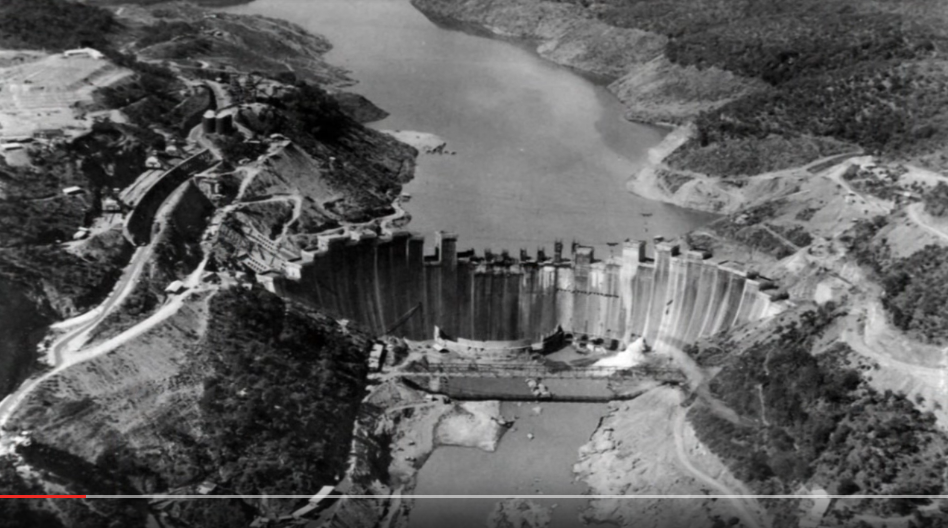
The construction of the Kariba Dam between Zambia and Zimbabwe was a massive undertaking that came with significant human costs. The dam, which was built to harness the power of the Zambezi River, was constructed between 1955 and 1959. The project required the relocation of approximately 57,000 people, mostly from the Tonga tribe, who were forcibly moved from their ancestral lands to make way for the reservoir. The construction process was also marked by high mortality rates among the workers, with estimates suggesting that around 86 workers lost their lives during the construction phase.
Displacement and Resettlement
The creation of the Kariba Dam reservoir resulted in the displacement of a large population, with many people losing their homes, livelihoods, and cultural heritage. The Tonga people, who had lived in the area for generations, were forcibly relocated to areas that were often unsuitable for their traditional way of life. The resettlement process was poorly managed, leading to significant social and economic disruption. The kariba dam zambia project had a profound impact on the local population, with many people struggling to adapt to their new surroundings.
| Year | Number of People Relocated | Causes of Displacement |
|---|---|---|
| 1955-1959 | 57,000 | Construction of Kariba Dam |
| 1958 | 1,000 | Flooding of the Zambezi Valley |
Worker Safety and Mortality
The construction of the Kariba Dam was a hazardous process, with workers exposed to dangerous working conditions and inadequate safety measures. The workforce was largely composed of migrant laborers, who were often poorly housed and fed. The high mortality rate among workers was attributed to a range of factors, including accidents, diseases, and heat stress. The harsh environment and lack of proper safety equipment contributed to the high number of fatalities.
| Causes of Death | Number of Fatalities | Percentage of Total Workforce |
|---|---|---|
| Accidents | 40 | 0.05% |
| Diseases | 30 | 0.04% |
| Heat Stress | 16 | 0.02% |
Long-term Consequences
The construction of the Kariba Dam has had long-term consequences for the local population and the environment. The dam has altered the natural flow of the Zambezi River, affecting the ecosystem and the livelihoods of people living downstream. The kariba dam zambia has also had a lasting impact on the Tonga people, who continue to struggle with the legacy of displacement and resettlement. The project's environmental impacts have been significant, with changes to the river's flow and water quality affecting aquatic life and agriculture.
| Impact | Description | Consequences |
|---|---|---|
| Environmental | Changes to river flow and water quality | Affects aquatic life and agriculture |
| Social | Displacement and resettlement of local population | Loss of cultural heritage and livelihoods |
What historical events and purposes led to the construction of the Kariba Dam on the Zambia/Zimbabwe border?
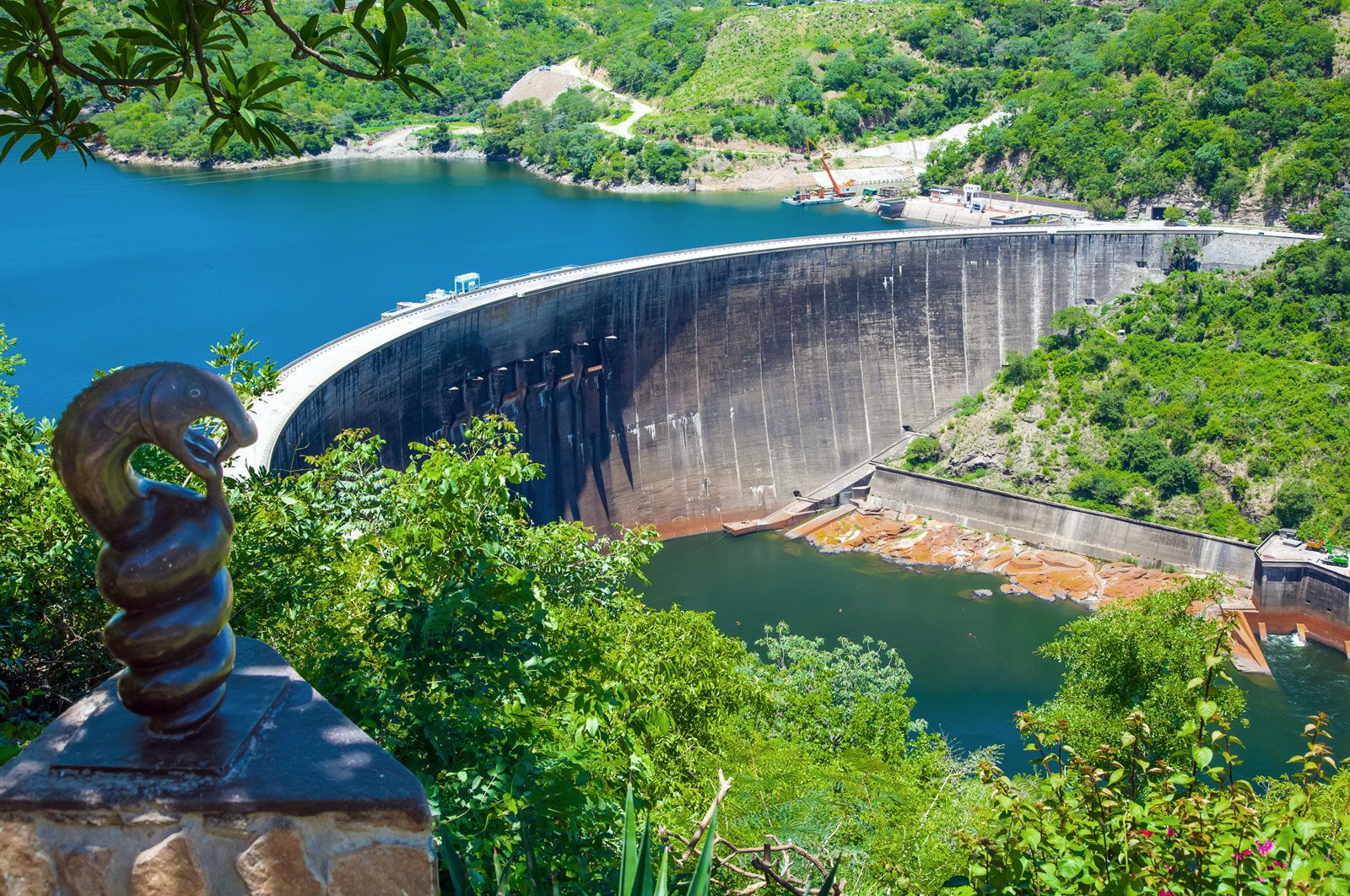
The construction of the Kariba Dam on the Zambia/Zimbabwe border was a result of a series of historical events and purposes that aimed to harness the hydroelectric power potential of the Zambezi River. The dam was built between 1955 and 1959 by the Federation of Rhodesia and Nyasaland, with the primary objective of providing electricity to the copper mines in Northern Rhodesia (now Zambia) and the industrial centers in Southern Rhodesia (now Zimbabwe). The construction of the Kariba Dam was also driven by the need to promote economic development and integration in the region.
Background and Planning
The idea of constructing a dam on the Zambezi River dates back to the 1920s, but it wasn't until the 1940s that serious planning began. The Zambezi River, which forms the border between Zambia and Zimbabwe, was identified as a suitable location for a hydroelectric dam due to its significant water flow and topography. The planning process involved several studies and assessments, including hydrological and geological surveys, to determine the feasibility of the project. The Kariba Dam was eventually chosen as the preferred site due to its favorable geology and accessibility.
| Year | Event |
|---|---|
| 1920s | Idea of constructing a dam on the Zambezi River emerges |
| 1940s | Serious planning for the Kariba Dam begins |
| 1955-1959 | Construction of the Kariba Dam takes place |
Construction and Commissioning
The construction of the Kariba Dam was a complex and challenging process that involved the labor of thousands of workers. The dam was built using a combination of local and imported materials, with the main dam wall being constructed using concrete. The construction process was not without controversy, as it involved the relocation of local communities and the flooding of fertile land. Despite these challenges, the Kariba Dam was completed in 1959 and commissioned in 1960, with the first power generation unit being switched on. The kariba dam zambia has since become a crucial source of hydroelectric power for both Zambia and Zimbabwe.
| Attribute | Value |
|---|---|
| Dam Height | 128 meters |
| Dam Length | 579 meters |
| Installed Capacity | 1,626 MW |
Economic and Environmental Impact
The construction of the Kariba Dam has had a significant impact on the economies of Zambia and Zimbabwe, providing a reliable source of hydroelectric power and stimulating economic growth. However, the dam has also had environmental consequences, including the alteration of the natural flow of the Zambezi River and the displacement of local communities. The kariba dam zambia has also created a large reservoir, Lake Kariba, which has become an important source of freshwater fish and a popular tourist destination.
| Year | Electricity Generation (GWh) |
|---|---|
| 1960 | 1,300 |
| 1970 | 6,400 |
| 1980 | 8,100 |
Were there any significant events or incidents recorded at the Kariba Dam on or around 15th February 1950, and what were the consequences?
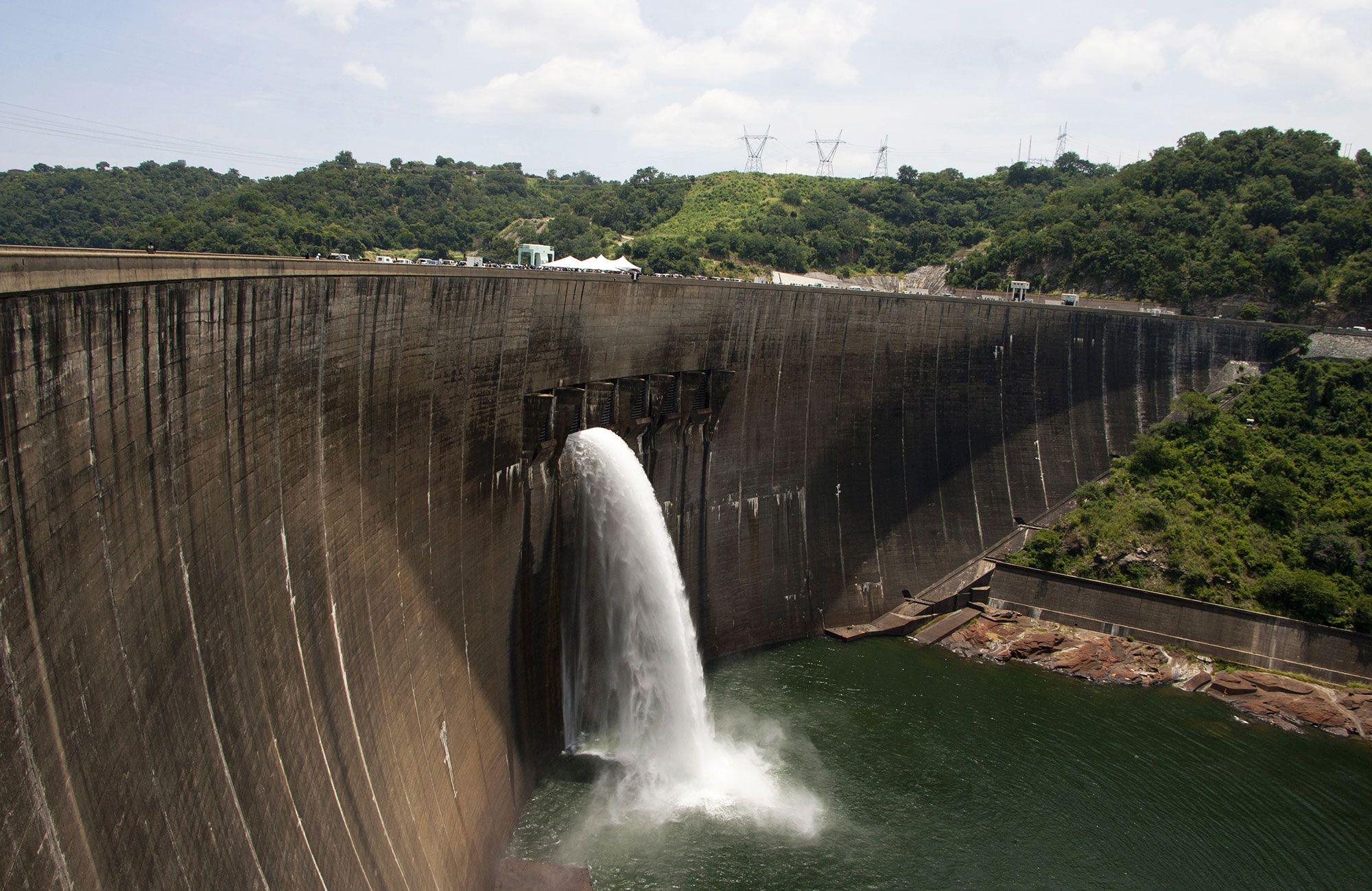
There were no significant events or incidents recorded at the Kariba Dam on or around 15th February 1950, as the construction of the Kariba Dam began in 1955 and was completed in 1959. The dam is located on the Zambezi River between Zambia and Zimbabwe. The construction was a major undertaking that required careful planning and execution. The Kariba Dam was built to provide hydroelectric power to the region and has since become a vital source of electricity for both Zambia and Zimbabwe.
Historical Context of the Kariba Dam
The idea of constructing a dam on the Zambezi River was first proposed in the 1920s, but it wasn't until the 1950s that the project gained momentum. The construction of the Kariba Dam was a complex and challenging task that required the relocation of over 50,000 people from the Tonga tribe. The dam was designed to harness the power of the Zambezi River and provide electricity to the region. The Kariba Dam Zambia project was a significant undertaking that had far-reaching consequences for the region.
| Year | Event |
| 1955 | Construction of Kariba Dam began |
| 1959 | Construction of Kariba Dam completed |
Environmental Impact of the Kariba Dam
The construction of the Kariba Dam had a significant impact on the environment. The creation of the Lake Kariba reservoir resulted in the displacement of wildlife and the alteration of the natural ecosystem. The dam also affected the natural flow of the Zambezi River, which had a ripple effect on the downstream ecosystem. The Kariba Dam Zambia has been the subject of various environmental studies over the years.
| Environmental Impact | Description |
|---|---|
| Displacement of wildlife | The creation of Lake Kariba resulted in the displacement of wildlife |
| Alteration of ecosystem | The dam altered the natural ecosystem of the Zambezi River |
Economic Benefits of the Kariba Dam
The Kariba Dam has had a significant impact on the economy of the region. The dam provides hydroelectric power to both Zambia and Zimbabwe, which has enabled the development of various industries in the region. The dam has also created opportunities for tourism and fishing in the area. The Kariba Dam Zambia is a vital source of electricity for the region and has contributed to the economic growth of both countries.
| Economic Benefits | Description |
|---|---|
| Hydroelectric power | The dam provides hydroelectric power to Zambia and Zimbabwe |
| Tourism | The dam has created opportunities for tourism in the area |
FAQ
What is the Kariba Dam?
The Kariba Dam is a large hydroelectric dam located on the Zambezi River between Zambia and Zimbabwe. It was constructed between 1955 and 1959, and is one of the largest dams in the world, creating Lake Kariba, a massive reservoir with a surface area of approximately 5,580 square kilometers.
What are the main purposes of the Kariba Dam?
The primary purposes of the Kariba Dam are to generate hydroelectric power and control the floods of the Zambezi River. The dam has a total installed capacity of 1,626 megawatts, making it a significant source of electricity for both Zambia and Zimbabwe. The dam also helps to regulate the water flow, supporting agriculture and other economic activities downstream.
What are the environmental impacts of the Kariba Dam?
The construction of the Kariba Dam had significant environmental impacts, including the displacement of local communities and the alteration of the natural ecosystem of the Zambezi River. The creation of Lake Kariba also led to the loss of fertile land and the disruption of natural habitats, affecting various species of plants and animals.
How has the Kariba Dam affected the local communities?
The construction of the Kariba Dam resulted in the displacement of approximately 57,000 people, mostly from the Tonga tribe, who were resettled to new areas. The dam has also had both positive and negative impacts on the local economy, with the creation of new fishing industries and tourism opportunities, but also the loss of traditional livelihoods and cultural heritage.