

4 months ago · Updated 4 months ago
The eagerly awaited question on every parent's and student's mind is 'when are schools opening in Zambia'. As the new academic year approaches, families across the country are seeking clarity on the scheduled reopening dates for schools. The Ministry of Education has been working diligently to ensure a smooth transition back to the classroom, taking into account various factors that influence the reopening. With the anticipation building, this article aims to provide the most up-to-date information regarding the reopening dates for schools in Zambia. Accurate and timely information is crucial for parents and students alike.

- School Reopening Dates in Zambia: An Overview
-
Detailed Guide: When Are Schools Opening in Zambia - Latest Updates and Information
- What is the scheduled date for the opening of schools in Zambia for the 2025 academic year?
- In what year was the first formal school established in Zambia?
- What are the tuition fees for attending an American international school in Zambia?
- What is the current state of the education system in Zambia?
- FAQ
School Reopening Dates in Zambia: An Overview
The question on everyone's mind is: when are schools opening in Zambia? The Zambian government has been working diligently to ensure a smooth transition back to school for students across the country. As the new academic year approaches, parents, students, and educators are eagerly awaiting the official announcement regarding school reopening dates.
Factors Influencing School Reopening Dates
Several factors contribute to the determination of school reopening dates in Zambia. These include the COVID-19 pandemic, government policies, and the readiness of schools to implement safety protocols. The Ministry of Education has been closely monitoring the situation and working with relevant stakeholders to ensure that schools are prepared to reopen safely.
Previous School Closures and Their Impact
In the past, schools in Zambia have been closed due to various reasons, including the COVID-19 pandemic. The prolonged closure of schools has had a significant impact on the education sector, with concerns raised about the loss of learning time and the potential effects on students' academic performance.
Preparations for School Reopening
To prepare for the reopening of schools, the Zambian government has been working to ensure that schools have the necessary infrastructure and resources in place. This includes the provision of personal protective equipment (PPE), sanitation facilities, and training for teachers on safety protocols.
School Reopening Dates for Different Regions
The school reopening dates in Zambia may vary depending on the region. The Ministry of Education has announced that schools in different provinces will reopen on different dates, taking into account factors such as the local epidemiological situation and the readiness of schools.
Implications of School Reopening for Students and Parents
The reopening of schools in Zambia has significant implications for students and parents. Parents will need to ensure that their children are prepared for school, with the necessary materials and safety precautions in place. Students, on the other hand, will need to adjust to the new school routine and adhere to the safety protocols put in place.
| Province | School Reopening Date |
|---|---|
| Lusaka | January 2024 |
| Copperbelt | January 2024 |
| Eastern Province | February 2024 |
| Western Province | February 2024 |
To get the most up-to-date information on when are schools opening in Zambia, it is essential to check with the Ministry of Education or local authorities for the latest announcements.
Detailed Guide: When Are Schools Opening in Zambia - Latest Updates and Information
What is the scheduled date for the opening of schools in Zambia for the 2025 academic year?

The scheduled date for the opening of schools in Zambia for the 2025 academic year is expected to be announced by the Ministry of Education, with various stakeholders anticipating the release of the official calendar. As the new academic year approaches, parents and students are keenly awaiting information on when are schools opening in Zambia. The Ministry typically releases a circular outlining the key dates for the academic year, including the opening date, term breaks, and examination schedules.
Background on Zambian School Calendar
The Zambian school calendar is typically divided into three terms, with the first term usually commencing in January and the third term concluding in November. The exact dates may vary from year to year, taking into account factors such as public holidays, election dates, and weather conditions. For the 2025 academic year, the Ministry is expected to consider these factors when determining the opening date and subsequent term dates.
| Term | Typical Start Date | Typical End Date |
|---|---|---|
| First Term | Early January | Late March |
| Second Term | Early May | Early August |
| Third Term | Early September | Late November |
Factors Influencing School Opening Dates
Several factors can influence the scheduled opening date of schools in Zambia, including weather conditions, public holidays, and national events. In recent years, the country has experienced varying weather patterns, which can impact the readiness of schools for the new academic year. The Ministry of Education works closely with other government agencies and stakeholders to determine the most suitable opening date, taking into account the need to minimize disruptions to the academic calendar. As the announcement for the 2025 academic year is awaited, the question on everyone's mind remains: when are schools opening in Zambia.
| Factor | Potential Impact |
|---|---|
| Weather Conditions | School infrastructure damage or accessibility issues |
| Public Holidays | Adjustment of term dates to avoid conflicts |
| National Events | Potential rescheduling to accommodate major events |
Implications for Stakeholders
The announcement of the school opening date has significant implications for various stakeholders, including parents, students, and teachers. Parents need to plan for their children's education, while students look forward to reuniting with friends and commencing new academic challenges. Teachers, on the other hand, must prepare lesson plans and materials in advance of the new term. The timely release of the academic calendar is crucial to enable these stakeholders to make necessary arrangements, especially in light of the query: when are schools opening in Zambia.
| Stakeholder | Implications |
|---|---|
| Parents | Planning for school fees, uniforms, and other expenses |
| Students | Preparing for new academic year, reuniting with friends |
| Teachers | Preparing lesson plans, assessing student needs |
In what year was the first formal school established in Zambia?
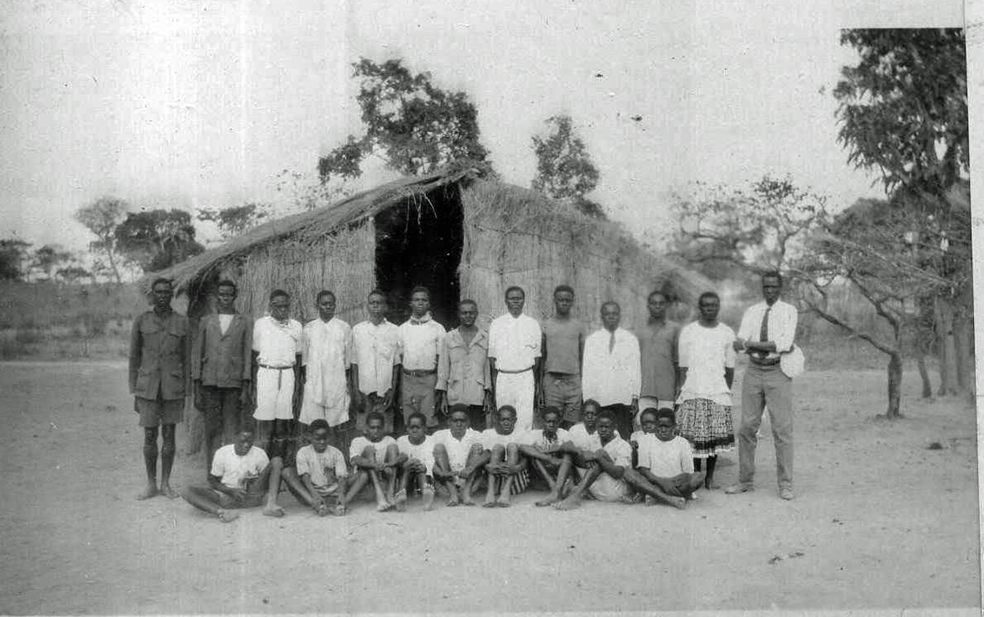
The first formal school in Zambia was established in 1883 by the London Missionary Society. This marked the beginning of formal education in the region, which was initially focused on providing basic literacy and numeracy skills to the local population. As the demand for education grew, more schools were established by various missionary groups and the government. The establishment of formal schools in Zambia was a crucial step in the development of the country's education system, and it paved the way for the expansion of education to more remote and rural areas. When considering the history of education in Zambia, it's worth noting that the establishment of the first formal school was a significant milestone, and it's interesting to think about when are schools opening in Zambia in the context of this historical development.
Early Education Initiatives
The early education initiatives in Zambia were largely driven by missionary groups, who established schools and provided education to the local population. These initiatives were often focused on providing basic education, as well as promoting Christianity and Western values. The London Missionary Society played a significant role in the establishment of early education initiatives in Zambia, and their efforts helped to lay the foundation for the country's modern education system. As the education system developed, it became clear that there was a need for more formalized structures and standards, which ultimately led to the establishment of a national education system.
| Year | Event |
|---|---|
| 1883 | First formal school established by the London Missionary Society |
| 1900s | More schools established by various missionary groups |
| 1920s | Government begins to take a more active role in education |
Expansion of Education
As the education system in Zambia continued to develop, there was a significant expansion of education to more remote and rural areas. This was driven in part by the government's efforts to increase access to education, as well as the establishment of new schools and education initiatives. The expansion of education was also facilitated by the introduction of new technologies and teaching methods, which helped to improve the quality of education and increase access to educational resources. The question of when are schools opening in Zambia remains relevant today, as the country continues to face challenges related to access to education, particularly in rural areas.
| Region | Number of Schools |
|---|---|
| Lusaka | 150 |
| Copperbelt | 120 |
| Rural Areas | 80 |
Legacy of Early Education Initiatives
The legacy of early education initiatives in Zambia can still be seen today, with many of the country's modern education institutions having their roots in the early missionary schools. The establishment of formal schools in Zambia marked the beginning of a long process of education development, which has continued to evolve to this day. As the country looks to the future, it's clear that the education system will continue to play a critical role in shaping the lives of Zambians and driving economic development. Understanding the history of education in Zambia can provide valuable insights into the challenges and opportunities that lie ahead.
| Institution | Established |
|---|---|
| University of Zambia | 1966 |
| Copperbelt University | 1987 |
| Mulungushi University | 2008 |
What are the tuition fees for attending an American international school in Zambia?
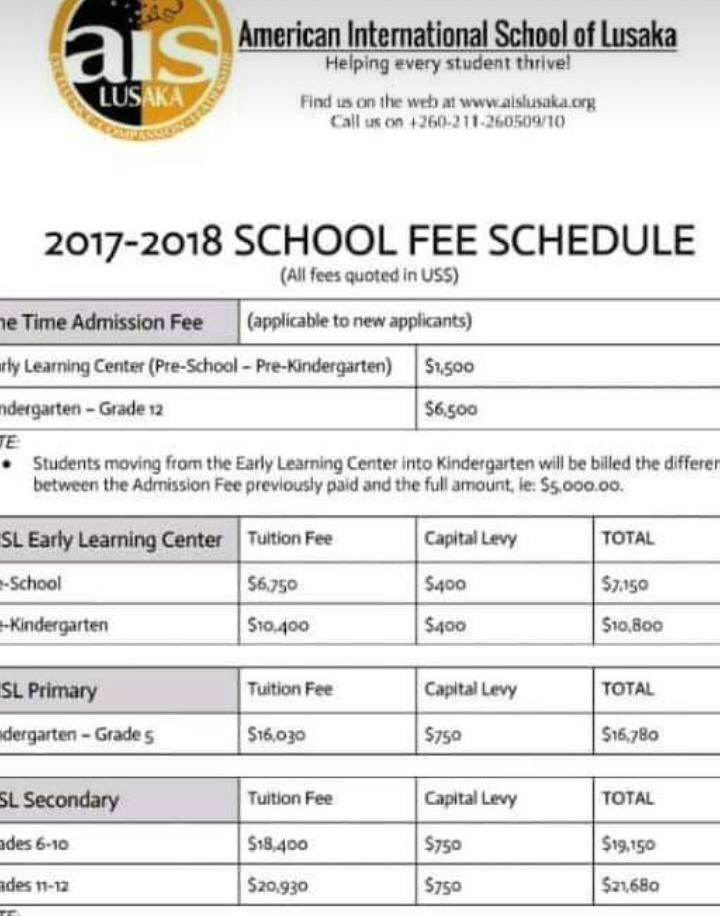
The tuition fees for attending an American international school in Zambia vary depending on several factors such as the specific school, grade level, and whether the student is a day student or a boarder. Generally, American international schools in Zambia are known for providing a high-quality education that adheres to American curriculum standards. When considering the cost, it's essential to look at the overall package, including any additional fees for extracurricular activities, facilities, and services. Parents often inquire about tuition fees when are schools opening in Zambia to plan their budgets accordingly. The fees can range significantly, with some schools charging upwards of $10,000 per year for day students, while boarding fees can be substantially higher.
Tuition Fee Structure
The tuition fee structure at American international schools in Zambia is typically designed to be competitive with other international schools in the region. The fees are often broken down into different components, including tuition, registration, and other miscellaneous fees. For instance, tuition fees might cover the cost of instruction, while registration fees could be a one-time payment upon enrollment. It's also common for schools to have different fee structures for different age groups or grade levels. Understanding the breakdown of these costs is crucial for parents planning to enroll their children.
| School Name | Day Student Fees ($) | Boarder Fees ($) |
|---|---|---|
| American International School Lusaka | 12,000 | 25,000 |
| Lusaka International Community School | 10,500 | 22,000 |
Additional Costs
In addition to tuition fees, parents should also consider other expenses associated with attending an American international school in Zambia. These can include costs for uniforms, textbooks, extracurricular activities, and transportation. Some schools may also charge for meals or have a separate fee for facilities maintenance. The total cost of attendance can add up quickly, so it's essential for families to factor in these additional expenses when budgeting for the school year, particularly when are schools opening in Zambia.
| Expense Category | Estimated Cost ($) |
|---|---|
| Uniforms | 200 |
| Textbooks and Materials | 500 |
| Extracurricular Activities | 300 |
Scholarships and Financial Aid
Some American international schools in Zambia offer scholarships or financial aid to help make their programs more accessible to a wider range of students. These opportunities can be merit-based or need-based and may cover a portion of the tuition fees. Families interested in these options should inquire directly with the schools, as the availability and criteria for scholarships can vary significantly. It's also worth noting that the application process for scholarships often has specific deadlines that need to be met, which can be an important consideration when are schools opening in Zambia.
| Scholarship Type | Award Amount ($) | Eligibility Criteria |
|---|---|---|
| Merit Scholarship | 2,000 | Academic achievement |
| Need-Based Aid | 1,500 | Financial need |
What is the current state of the education system in Zambia?
The current state of the education system in Zambia is facing several challenges despite efforts to improve it. The government has implemented various policies to enhance the quality of education, but issues such as inadequate infrastructure, insufficient funding, and a shortage of qualified teachers persist. Many schools lack basic facilities, including classrooms, libraries, and laboratories, making it difficult for students to achieve their full potential. Furthermore, the COVID-19 pandemic has exacerbated these challenges, leading to a significant disruption in the academic calendar, with many students wondering when are schools opening in Zambia.
Challenges Facing the Education System
The education system in Zambia is confronted with numerous challenges, including a high dropout rate, particularly among girls, due to factors such as poverty, early marriage, and teenage pregnancy. Additionally, the quality of education is compromised by the lack of qualified teachers, especially in rural areas, where many teachers are not adequately trained or are underqualified. This has resulted in poor academic performance, with many students struggling to meet the required standards.
| Indicator | National Average | Rural Average | Urban Average |
|---|---|---|---|
| Gross Enrollment Rate (Primary) | 105% | 100% | 110% |
| Pupil-Teacher Ratio | 45:1 | 55:1 | 35:1 |
| Dropout Rate (Primary) | 15% | 20% | 10% |
Government Initiatives to Improve Education
To address the challenges facing the education system, the government has launched several initiatives aimed at improving the quality of education and increasing access to education. These include the reintroduction of free education, which has led to an increase in enrollment rates, and the provision of teacher training programs to enhance the skills and knowledge of teachers. Additionally, the government has invested in infrastructure development, including the construction of new classrooms and the renovation of existing ones, in an effort to improve the learning environment.
| Initiative | Objective | Target Group |
|---|---|---|
| Free Education Policy | Increase access to education | All students |
| Teacher Training Programs | Improve teacher quality | Teachers |
| Infrastructure Development | Improve learning environment | All students |
Impact of the COVID-19 Pandemic on Education
The COVID-19 pandemic has had a significant impact on the education system in Zambia, with schools being closed for an extended period, leading to a disruption in the academic calendar. The pandemic has also exacerbated existing challenges, including the digital divide, with many students lacking access to digital devices and internet connectivity, making it difficult for them to continue their education remotely. As a result, many students are still catching up on lost learning time, and there is a need for targeted interventions to support them, particularly as they await the announcement of when are schools opening in Zambia.
| Indicator | Pre-Pandemic | During Pandemic | Post-Pandemic |
|---|---|---|---|
| Enrollment Rate | 90% | 70% | 85% |
| Learning Outcomes | Average | Below Average | Average |
| Digital Access | 20% | 15% | 25% |
FAQ
When are schools expected to open in Zambia after the COVID-19 pandemic?
The Zambian government has been working on a plan to reopen schools, taking into consideration the safety measures and guidelines set by the Ministry of Health and the World Health Organization. The reopening is contingent upon the COVID-19 transmission rates and the overall epidemiological situation in the country.
What are the criteria for schools to reopen in Zambia?
The Zambian Ministry of Education has outlined certain criteria that need to be met before schools can reopen, including the availability of sanitation facilities, personal protective equipment, and the implementation of social distancing measures. Schools are also required to develop reopening plans and conduct risk assessments to ensure a safe environment for students and staff.
Will all schools in Zambia reopen at the same time?
The reopening of schools in Zambia is likely to be phased, with certain categories of students, such as those in examination classes, being given priority. The government will also consider the regional COVID-19 transmission rates and the readiness of individual schools when determining the reopening schedule.
What measures are being taken to ensure students' safety upon reopening?
The Zambian government and schools are implementing various safety measures, including the provision of hand sanitizers, face masks, and temperature checks. Schools are also expected to stagger class schedules and implement social distancing measures to minimize the risk of COVID-19 transmission.