

1 year ago · Updated 1 year ago
Zambia Independence Day commemorates the country's liberation from British colonial rule on October 24, 1964. The nation transitioned to self-governance, marking a significant milestone in its history. Celebrations and festivities are held across the country, reflecting the pride and unity of the Zambian people. This annual event honors the struggles and achievements of the nation's forefathers, who fought tirelessly for freedom and sovereignty. As Zambia Independence Day is observed, it serves as a poignant reminder of the country's journey towards independence and its ongoing pursuit of prosperity and development.

Celebrating Zambia Independence Day: A Reflection of National Pride
Zambia Independence Day is a significant national holiday celebrated on October 24th every year, commemorating the country's independence from British colonial rule in 1964. This day is a momentous occasion for Zambians, marking their transition to a sovereign nation with the right to self-governance. The independence of Zambia was the culmination of a long struggle for freedom, with the country finally gaining its sovereignty after being a British protectorate since 1924.
Historical Background of Zambia Independence Day
The journey to Zambia Independence Day was not straightforward. The territory that is now Zambia was initially inhabited by various indigenous tribes before the arrival of European colonizers. The British South Africa Company, led by Cecil Rhodes, played a pivotal role in the colonization of the area. The territory was known as Northern Rhodesia until it gained independence and was renamed Zambia. The path to independence involved a series of political movements and negotiations with the British government, ultimately leading to Zambia becoming an independent nation on October 24, 1964.
Significance of Zambia Independence Day
Zambia Independence Day is more than just a celebration; it's a day to reflect on the nation's history, its struggle for independence, and the progress made since then. It is an occasion to honor the country's founding fathers and the many who fought for its freedom. The day is marked with various events and celebrations across the country, including patriotic speeches, cultural performances, and military parades. These events serve as a reminder of the country's rich cultural heritage and its journey towards becoming the nation it is today.
Celebrations and Events on Zambia Independence Day
The celebrations on Zambia Independence Day are vibrant and diverse, reflecting the country's multicultural identity. The day typically begins with a national address by the President of Zambia, highlighting the country's achievements and challenges. This is followed by various events at the national level, including a military parade at the National Heroes Stadium in Lusaka, showcasing the country's military might and patriotic fervor. Additionally, cultural events featuring traditional dances, music, and art exhibitions are held across the country, celebrating Zambia's rich cultural diversity.
While Zambia Independence Day is primarily a celebration of national pride, it also has economic and social implications. The day attracts tourists and locals alike to various events and celebrations, contributing to the local economy. Furthermore, it serves as a moment for national reflection, encouraging unity and a sense of shared identity among Zambians. The day is also an opportunity for the government to highlight its achievements and outline future development plans, potentially boosting national morale and investor confidence.
Commemorating Zambia Independence Day in Modern Times
In recent years, the commemoration of Zambia Independence Day has evolved, incorporating modern elements while still honoring traditional practices. The use of social media has become more prevalent, with Zambians around the world sharing messages of national pride and celebrating their heritage. Additionally, there is a growing emphasis on reflecting on the country's progress since independence and the challenges that lie ahead, making the day not just a celebration but also a call to action for the future.
| Year | Event | Significance |
|---|---|---|
| 1924 | Northern Rhodesia becomes a British protectorate | Beginning of British colonial rule |
| 1964 | Zambia gains independence | End of British colonial rule and transition to sovereignty |
| Present Day | Celebration of Zambia Independence Day | Annual commemoration of independence with cultural and national events |
Commemorating Zambia Independence Day: A Comprehensive Guide to the Celebrations and Significance
What was the significance of Zambia's Independence Day in 1964?

Zambia gained independence from British colonial rule on October 24, 1964, marking a significant milestone in the country's history. The attainment of independence was the culmination of years of struggle and negotiations between the Zambian nationalist movements and the British government. The day is celebrated as Zambia Independence Day, commemorating the country's transition to self-rule and its emergence as a sovereign nation on the global stage.
Historical Context
The road to Zambia's independence was paved with significant events and milestones. The country's journey towards self-rule began in the mid-20th century, with the formation of nationalist movements that sought to challenge British colonial rule. The United National Independence Party (UNIP), led by Kenneth Kaunda, played a pivotal role in the fight for independence. The party's efforts ultimately led to the country's independence on October 24, 1964, marking a new era in Zambia's history. The significance of Zambia Independence Day lies in its representation of the country's transition from a colonial state to an independent nation.
| Year | Event | Significance |
|---|---|---|
| 1958 | Formation of UNIP | Marked the beginning of a unified nationalist movement |
| 1964 | Independence from Britain | Zambia gained sovereignty and became a self-governing nation |
Economic Implications
The attainment of independence had significant economic implications for Zambia. The country's economy was heavily reliant on the mining industry, particularly copper mining. The new government faced the challenge of diversifying the economy and reducing its dependence on a single industry. The significance of Zambia Independence Day is also reflected in the country's efforts to develop its economy and improve the living standards of its citizens. The day serves as a reminder of the country's progress and its ongoing efforts to achieve economic stability.
| Industry | Pre-Independence | Post-Independence |
|---|---|---|
| Copper Mining | Dominant industry under British control | Nationalized by the Zambian government |
| Agriculture | Limited development | Efforts to diversify and develop the sector |
Cultural Significance
Zambia Independence Day is a celebration of the country's cultural heritage and its national identity. The day is marked with various cultural events and festivities, showcasing the country's rich cultural diversity. The significance of Zambia Independence Day lies in its representation of the country's values and traditions. The day serves as an opportunity for Zambians to reflect on their history and cultural heritage, and to celebrate their national identity.
| Cultural Event | Description | Significance |
|---|---|---|
| Traditional Dance Performances | Showcasing Zambia's diverse cultural heritage | Preservation of cultural traditions |
| National Music Festivals | Celebrating Zambian music and art | Promotion of national identity |
How are Zambia Independence Day celebrations typically observed?

Zambia Independence Day celebrations are typically observed with great fervor and enthusiasm across the country. The day is marked with various events and activities that reflect the nation's history, culture, and achievements. The celebrations are a testament to the country's struggle for independence and its journey towards becoming a sovereign nation. On this day, Zambians come together to commemorate their freedom from colonial rule and to celebrate their national identity. The events are characterized by patriotic fervor, with citizens expressing their pride in being Zambian.
Cultural Events and Traditions
The Zambia Independence Day celebrations feature a range of cultural events and traditions that showcase the country's rich heritage. These events include traditional dances, music performances, and cultural exhibitions that highlight the diversity of Zambian culture. The events are often attended by government officials, diplomats, and other dignitaries, who join in the celebrations and pay tribute to the nation's history and achievements.
| Cultural Event | Description |
| Traditional Dances | Performances by local dance troupes showcasing Zambia's diverse cultural heritage |
| Music Performances | Concerts featuring local musicians playing traditional and modern Zambian music |
National Celebrations and Ceremonies
The Zambia Independence Day celebrations also involve various national ceremonies and events that are attended by high-ranking government officials and other dignitaries. These events include flag-raising ceremonies, wreath-laying ceremonies, and other patriotic events that reflect the nation's pride and unity. The ceremonies are often accompanied by military parades and other displays of national pride.
| Ceremony | Location | Attendance |
|---|---|---|
| Flag-Raising Ceremony | National Heroes Stadium | Government Officials, Diplomats |
| Wreath-Laying Ceremony | National Monument | Dignitaries, Veterans |
Community Involvement and Participation
The Zambia Independence Day celebrations also involve significant community participation, with various events and activities organized at the local level. These events include community fairs, sports competitions, and other activities that promote national unity and pride. The events are often organized by local community groups and are attended by citizens from all walks of life, who come together to celebrate zambia independence day and reflect on the nation's progress and achievements.
| Event | Location | Organizer |
| Community Fair | Local Community Center | Community Group |
| Sports Competition | Local Stadium | Local Sports Association |
Which colonial power ruled Zambia before it gained independence?
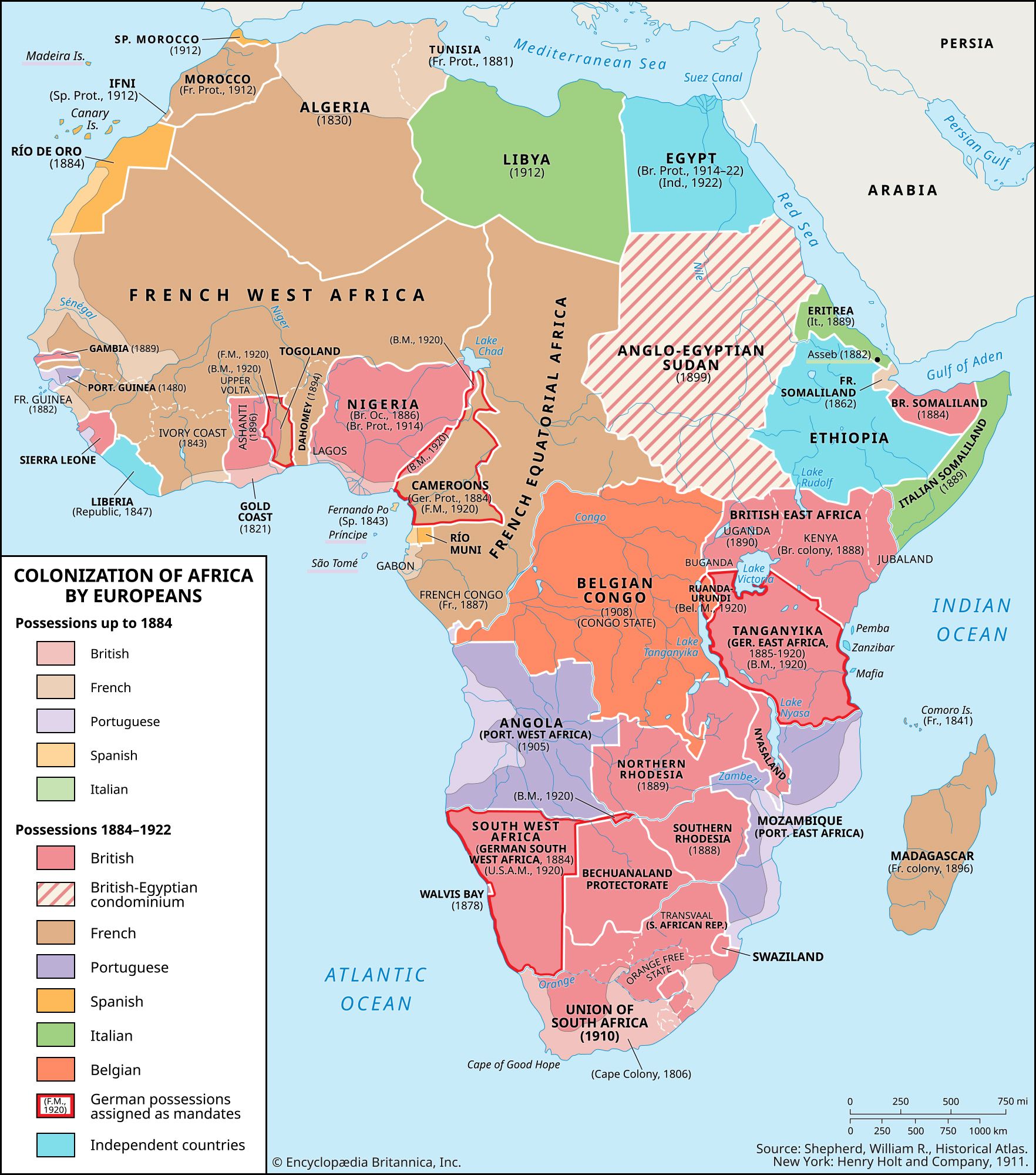
The colonial power that ruled Zambia before it gained independence was Britain, known as Northern Rhodesia during the colonial period. Zambia gained its independence on October 24, 1964, a day celebrated annually as Zambia Independence Day.
Colonial Background
The territory that is now Zambia was under British colonial rule, with the British South Africa Company (BSAC) initially administering the region. The BSAC was later replaced by the British government, which directly administered the territory as a protectorate known as Northern Rhodesia. The period under British rule saw significant economic development, particularly in the mining sector, with copper mining being a major activity. The colonial era also witnessed the establishment of infrastructure and the introduction of new economic systems, which had a lasting impact on the region.
| Year | Event |
|---|---|
| 1889 | British South Africa Company (BSAC) granted royal charter to administer the territory. |
| 1924 | BSAC's administration ended, and the British government took over as a protectorate. |
| 1964 | Zambia gained independence on October 24, celebrated as Zambia Independence Day. |
Road to Independence
The journey to independence for Zambia involved a long period of nationalist movements and negotiations with the British government. The United National Independence Party (UNIP), led by Kenneth Kaunda, played a crucial role in the fight for independence. The party's efforts, along with those of other nationalist groups, eventually led to the country gaining its independence. The transition to independence was marked by significant political and social change, setting the stage for Zambia's development as an independent nation. Zambia Independence Day commemorates this significant milestone.
| Key Figure | Role |
|---|---|
| Kenneth Kaunda | Leader of the United National Independence Party (UNIP) and first President of Zambia. |
| Harry Nkumbula | Leader of the African National Congress (ANC), another significant nationalist movement. |
Legacy of Colonial Rule
The legacy of British colonial rule in Zambia continues to influence the country's economy, politics, and society. The mining industry, which was developed during the colonial era, remains a critical sector of Zambia's economy. However, the country also faces challenges related to the economic structures and dependencies established during the colonial period. Understanding this legacy is crucial for addressing the ongoing impacts of colonial rule on Zambia's development and for celebrating the progress made since Zambia Independence Day.
| Sector | Impact |
|---|---|
| Mining | Continues to be a major sector, with copper being a significant export. |
| Infrastructure | Colonial era infrastructure development has had a lasting impact. |
| Economy | Economic structures established during colonial rule continue to influence Zambia's economy. |
What were the key events in Zambia's path to independence between 1924 and 1964?
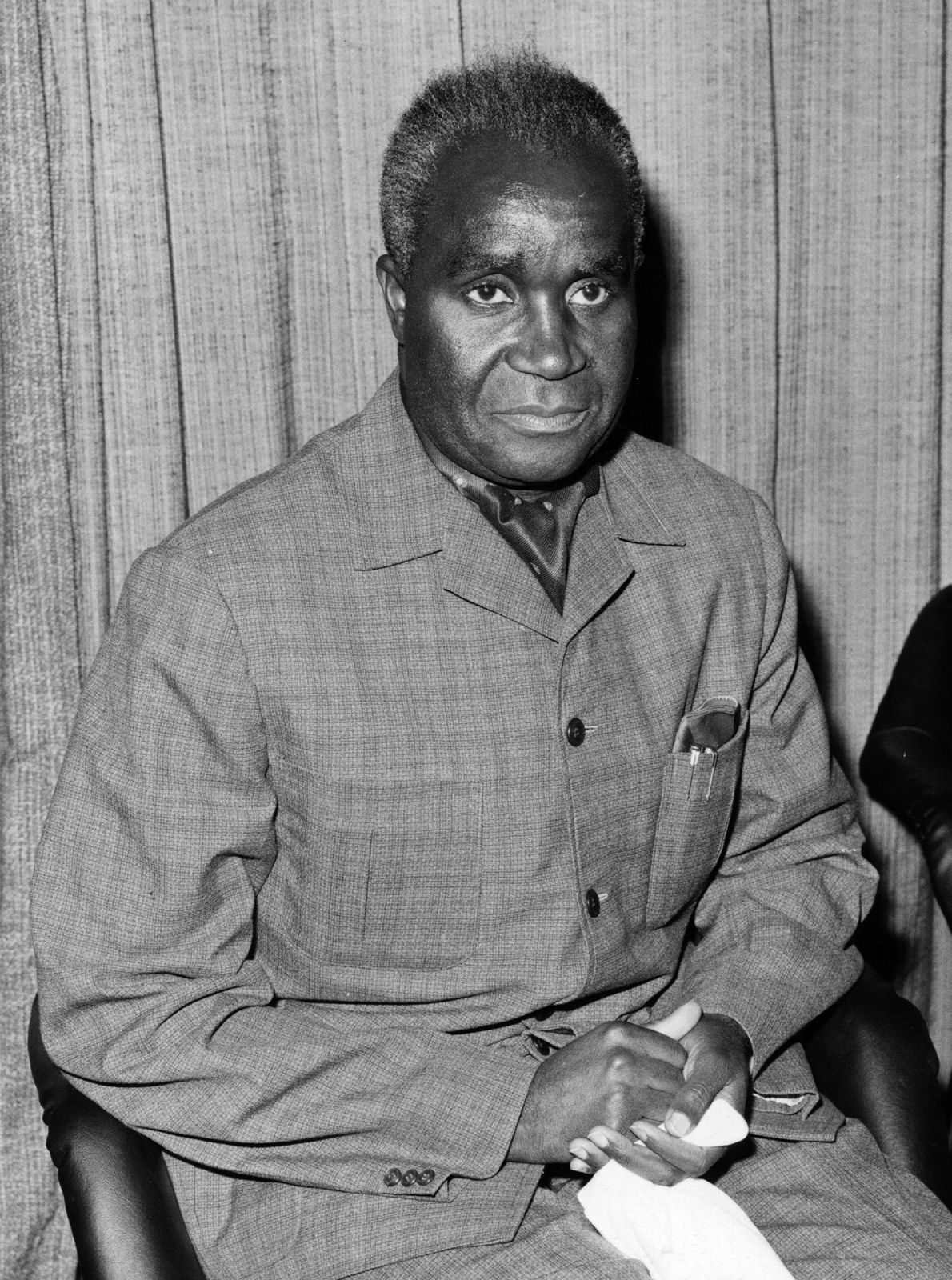
Zambia's path to independence between 1924 and 1964 was marked by significant events that shaped the country's future. The journey began with the establishment of the British South Africa Company administration, which was later replaced by the British colonial government in 1924. This period saw the introduction of various policies that had a profound impact on the local population, including the imposition of forced labor and the displacement of people from their ancestral lands. As the years went by, nationalist movements began to emerge, demanding greater autonomy and eventually, independence. The struggle for independence gained momentum in the 1950s and 1960s, with key figures such as Kenneth Kaunda playing a crucial role in mobilizing the population. On October 24, 1964, Zambia finally gained its independence, marking a significant milestone in the country's history, celebrated as Zambia Independence Day.
Early Nationalism and Resistance
The early years of colonial rule were characterized by resistance from the local population, who were opposed to the imposition of foreign rule and the exploitation of their resources. As the colonial administration consolidated its power, nationalist movements began to emerge, with the formation of organizations such as the North-Western Rhodesia Native Welfare Association. These movements initially focused on advocating for improved working conditions and greater representation, but eventually, they began to demand greater autonomy and self-rule. The growth of nationalism was fueled by the return of African soldiers from World War II, who had been exposed to new ideas and experiences.
| Year | Event |
|---|---|
| 1924 | British colonial government takes over administration from British South Africa Company |
| 1930s | Emergence of early nationalist movements |
| 1940s | African soldiers return from World War II, fueling nationalist sentiment |
The Rise of Kenneth Kaunda and the United National Independence Party
The 1950s and 1960s saw the rise of Kenneth Kaunda and the United National Independence Party (UNIP), which became the dominant force in Zambia's struggle for independence. Kaunda, who had been involved in nationalist politics since the 1940s, emerged as a key leader, advocating for non-violent resistance and mobilizing the population against colonial rule. The UNIP's message of independence and self-rule resonated with the population, and the party's membership grew rapidly. As the party's influence expanded, it became clear that independence was inevitable, and the British government began to negotiate with Kaunda and the UNIP.
| Year | Event |
|---|---|
| 1958 | Kenneth Kaunda becomes president of the Zambia African National Congress |
| 1960 | Kaunda forms the United National Independence Party (UNIP) |
| 1964 | Zambia gains independence on October 24, celebrated as Zambia Independence Day |
The Road to Independence and its Legacy
The years leading up to independence were marked by significant challenges, including opposition from white settlers and the need to build a unified national identity. Despite these challenges, the country made significant progress, with the establishment of a new constitution and the holding of elections. As Zambia gained its independence, it faced significant development challenges, including a lack of infrastructure and a shortage of skilled personnel. However, the country was determined to forge its own path, and Kenneth Kaunda became its first president, leading the country towards a brighter future.
| Challenge | Description |
|---|---|
| Lack of infrastructure | Zambia had limited infrastructure, including roads, bridges, and telecommunications |
| Shortage of skilled personnel | The country had a shortage of skilled personnel, including doctors, teachers, and administrators |
| Economic dependence | Zambia's economy was heavily dependent on copper mining, making it vulnerable to fluctuations in global commodity prices |
FAQ
What is Zambia Independence Day?
Zambia Independence Day is a national holiday celebrated on October 24th every year to commemorate the country's independence from British colonial rule in 1964. It marks the day when Zambia gained its sovereignty and became a republic.
How is Zambia Independence Day celebrated?
The day is celebrated with great fervor and patriotism across the country, with ceremonies, parades, and cultural events taking place in various towns and cities. The government also organizes official events, including a military parade and a speech by the President.
What is the significance of Zambia Independence Day?
The significance of Zambia Independence Day lies in its reminder of the country's struggle for freedom and its transition to independence. It is a day to reflect on the country's history, its achievements, and its future prospects.
Is Zambia Independence Day a public holiday?
Yes, Zambia Independence Day is a public holiday in Zambia, and most businesses, government offices, and schools are closed on this day. People come together with family and friends to celebrate and reflect on the country's independence and national identity.