

3 months ago · Updated 3 months ago
The Zambia Statistics Agency is the primary source of official statistics in Zambia, responsible for collecting, analyzing, and disseminating data on various aspects of the country's economy and society. As the national statistical authority, it plays a crucial role in informing policy decisions, monitoring development progress, and evaluating the impact of interventions. By providing accurate and timely data, the Zambia Statistics Agency enables stakeholders to make informed decisions, driving growth and development in the country. Its work is vital to understanding Zambia's demographic, economic, and social trends. Accurate data is essential for planning and development.
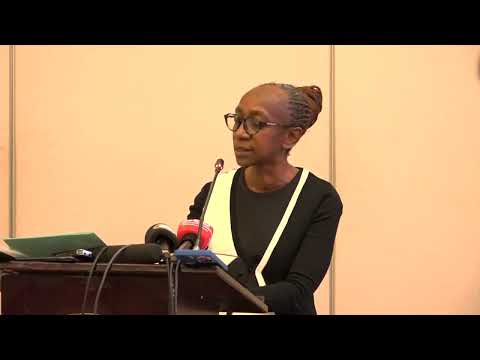
Overview of Zambia Statistics Agency
The Zambia Statistics Agency is the primary institution responsible for collecting, analyzing, and disseminating statistical data in Zambia. It plays a crucial role in providing statistical information that informs policy decisions, economic planning, and research. The agency is mandated to ensure that statistical data is accurate, reliable, and accessible to various stakeholders.
History and Mandate
The Zambia Statistics Agency was established under the Statistics Act No. 13 of 2018, which repealed and replaced the Central Statistical Office Act. The agency's mandate is to coordinate and regulate the national statistical system, ensuring that statistical data is collected, analyzed, and disseminated in a coordinated and standardized manner. The agency is also responsible for conducting census and surveys, compiling national accounts, and producing other statistical publications.
Data Collection and Analysis
The Zambia Statistics Agency collects data through various methods, including surveys, censuses, and administrative records. The agency uses advanced statistical techniques to analyze the data, ensuring that the results are accurate and reliable. The data collected is used to produce statistical reports, which are disseminated to stakeholders through various channels, including publications, websites, and data portals.
Key Statistics and Indicators
The Zambia Statistics Agency produces a wide range of statistical indicators, including demographic statistics, economic indicators, and social statistics. Some of the key statistics produced by the agency include population data, inflation rates, and gross domestic product (GDP) growth rates. These statistics are used to inform policy decisions and track the country's development progress.
Data Dissemination and Access
The Zambia Statistics Agency disseminates statistical data through various channels, including its website, publications, and data portals. The agency also provides data visualization tools to facilitate easy access and understanding of the data. Stakeholders can access the data through the agency's website or by visiting the agency's offices.
Capacity Building and Training
The Zambia Statistics Agency provides training and capacity-building programs to enhance the skills of its staff and other stakeholders. The agency collaborates with international organizations and other national statistical offices to build its capacity and stay up-to-date with best practices in statistical data collection, analysis, and dissemination.
| Indicator | 2020 | 2021 | 2022 |
|---|---|---|---|
| Population (millions) | 18.3 | 18.7 | 19.1 |
| GDP Growth Rate (%) | 3.5 | 4.2 | 4.5 |
| Inflation Rate (%) | 10.2 | 12.1 | 11.5 |
Understanding the Role and Functions of Zambia Statistics Agency
What are the primary responsibilities of the Zambia Statistics Agency?

The Zambia Statistics Agency is a government agency responsible for collecting, analyzing, and disseminating statistical data to support informed decision-making in various sectors of the economy. The primary responsibilities of the Zambia Statistics Agency include collecting and analyzing data on demographic, economic, and social indicators.
Data Collection and Analysis
The Zambia Statistics Agency is responsible for collecting data through various methods, including surveys, censuses, and administrative records. The agency analyzes the collected data to produce statistical reports and publications that provide insights into the country's development trends. The data collected and analyzed by the agency is used to inform policy decisions, monitor progress towards national development goals, and evaluate the impact of government programs.
| Type of Data | Frequency of Collection | Method of Collection |
|---|---|---|
| Demographic data | Every 10 years | Census |
| Economic data | Quarterly | Surveys and administrative records |
| Social indicators | Annually | Surveys and administrative records |
Dissemination of Statistical Information
The Zambia Statistics Agency is responsible for disseminating statistical information to various stakeholders, including government ministries, departments, and agencies, as well as the private sector and the general public. The agency disseminates statistical information through various channels, including publications, online databases, and data visualization tools. The agency also provides training and technical assistance to users of statistical data to enhance their capacity to analyze and interpret the data.
| Method of Dissemination | Type of Information | Target Audience |
|---|---|---|
| Publications | Statistical reports and abstracts | Government ministries, departments, and agencies |
| Online databases | Disaggregated data | Researchers and analysts |
| Data visualization tools | Interactive data visualizations | General public |
Coordination and Collaboration
The Zambia Statistics Agency collaborates with other government agencies, international organizations, and development partners to enhance the quality and availability of statistical data in Zambia. The agency coordinates with other data producers to ensure that statistical data is consistent and comparable across different sources. The agency also participates in regional and international statistical forums to share best practices and stay up-to-date with the latest developments in statistical methodology.
| Partner | Type of Collaboration | Objective |
|---|---|---|
| International organizations | Technical assistance and capacity building | Enhance statistical capacity |
| Development partners | Funding and technical support | Support statistical development |
| Government agencies | Data sharing and coordination | Improve data consistency and comparability |
Which organization is responsible for conducting the national census in Zambia?

The organization responsible for conducting the national census in Zambia is the Zambia Statistics Agency, formerly known as the Central Statistical Office. The Zambia Statistics Agency is a government agency mandated to collect, analyze, and disseminate statistical data to support informed decision-making. The agency is responsible for conducting the national census, which provides a comprehensive count of the population and housing stock in Zambia. The census data is used to inform policy formulation, planning, and resource allocation at the national and local levels.
Census Data Collection Process
The Zambia Statistics Agency is responsible for designing and implementing the census data collection process. This involves recruiting and training enumerators to collect data from households across the country. The agency uses a combination of traditional methods, such as face-to-face interviews, and modern technologies, such as mobile devices, to collect data. The data collected during the census includes demographic information, such as age, sex, and marital status, as well as information on housing conditions and access to basic services.
| Census Year | Population Count | Data Collection Method |
|---|---|---|
| 2010 | 13,092,666 | Traditional Method |
| 2020 | 18,382,301 | Hybrid Method (Traditional + Mobile Devices) |
Importance of Census Data
The census data collected by the Zambia Statistics Agency is crucial for informing development planning and resource allocation in Zambia. The data is used to identify areas of need and to allocate resources effectively. The census data is also used to monitor progress towards national and international development goals, such as the Sustainable Development Goals (SDGs). The Zambia Statistics Agency disseminates the census data to stakeholders, including government ministries, departments, and agencies, as well as international organizations and researchers.
| Indicator | 2010 Census | 2020 Census |
|---|---|---|
| Population Growth Rate | 2.8% | 3.1% |
| Urbanization Rate | 40.9% | 44.6% |
Challenges and Opportunities
The Zambia Statistics Agency faces several challenges in conducting the national census, including limited resources and logistical constraints. However, the agency has also identified opportunities to improve the census data collection process, including the use of new technologies and innovative methods. The agency is working to strengthen its capacity to collect and analyze data, and to improve the dissemination of census data to stakeholders. The zambia statistics agency plays a critical role in providing accurate and reliable data to support informed decision-making in Zambia.
| Challenge/Opportunity | Description | Mitigation Strategy |
|---|---|---|
| Limited Resources | Insufficient funding and personnel | Resource mobilization and capacity building |
| Technological Innovation | Use of mobile devices and other technologies to improve data collection | Investment in technology and training |
What is the most recent unemployment rate statistic released by the Zambia Statistics Agency?

The most recent unemployment rate statistic released by the Zambia Statistics Agency indicates a significant trend in the country's labor market. According to the data, the unemployment rate has been fluctuating, reflecting various economic conditions and challenges faced by the nation. As reported, the unemployment rate in Zambia has been a subject of concern, with the Zambia Statistics Agency providing regular updates on the labor market situation.
Overview of Unemployment Rate
The Zambia Statistics Agency is responsible for collecting and analyzing data on various economic indicators, including the unemployment rate. The agency's reports provide insights into the labor force participation rate, employment rates, and unemployment rates across different demographics and regions. The data is crucial for policymakers and stakeholders to understand the dynamics of the labor market and make informed decisions.
| Year | Unemployment Rate (%) |
| 2020 | 12.3 |
| 2021 | 11.7 |
| 2022 | 12.1 |
Factors Influencing Unemployment
Several factors contribute to the fluctuations in Zambia's unemployment rate, including economic growth, industry trends, and government policies. The Zambia Statistics Agency's data highlights the impact of these factors on the labor market, providing a comprehensive understanding of the challenges faced by the workforce. The agency's reports also shed light on the sectors that are driving employment and those that are experiencing decline.
| Sector | Employment Rate (%) |
| Agriculture | 35.6 |
| Manufacturing | 17.3 |
| Services | 47.1 |
Regional Variations in Unemployment
The unemployment rate in Zambia varies across different regions, with some areas experiencing higher rates of unemployment than others. The Zambia Statistics Agency's data provides a breakdown of the unemployment rate by province and urban/rural areas, highlighting the regional disparities in the labor market. This information is essential for targeted interventions and policy initiatives aimed at addressing unemployment.
| Province | Unemployment Rate (%) |
| Lusaka | 10.5 |
| Copperbelt | 12.8 |
| Eastern Province | 14.2 |
FAQ
What is the role of the Zambia Statistics Agency?
The Zambia Statistics Agency is responsible for collecting, analyzing, and disseminating statistical data to support economic development and informed decision-making in Zambia. The agency plays a crucial role in providing accurate and timely statistics to the government, private sector, and other stakeholders.
What type of data does the Zambia Statistics Agency collect?
The Zambia Statistics Agency collects a wide range of data, including demographic, economic, and social statistics. This data includes information on population growth, poverty rates, GDP, and other key indicators that are used to track progress towards national development goals.
How does the Zambia Statistics Agency disseminate its data?
The Zambia Statistics Agency disseminates its data through various channels, including its website, publications, and data portals. The agency also provides data visualization tools and statistical reports to help users understand and interpret the data.
Why is the Zambia Statistics Agency important for Zambia's development?
The Zambia Statistics Agency is essential for Zambia's development because it provides reliable and timely statistics that inform policy decisions and investment choices. The agency's data helps to track progress towards national development goals, such as the Sustainable Development Goals (SDGs) and Zambia's Vision 2030.