
6 months ago · Updated 6 months ago
The Ministry of Health Zambia plays a crucial role in the country's healthcare system, overseeing the development and implementation of health policies and programs. As the governing body responsible for healthcare, the works to improve the overall health and wellbeing of its citizens. With a focus on addressing major health challenges, the ministry implements various initiatives aimed at enhancing healthcare delivery, promoting disease prevention, and strengthening the health infrastructure across the country. Effective healthcare management is essential for Zambia's development.

- Overview of Ministry of Health Zambia
-
Understanding the Role and Functions of the Ministry of Health Zambia
- What are the most prevalent health issues currently affecting the population in Zambia?
- What is the primary objective of the Ministry of Health in Zambia in terms of improving the country's healthcare system?
- Are there any public healthcare services provided by the Ministry of Health in Zambia that are completely free of charge for citizens?
- What government ministries are directly or indirectly involved in healthcare delivery or health-related initiatives in Zambia?
- FAQ
Overview of Ministry of Health Zambia
The Ministry of Health Zambia is a government ministry responsible for the health sector in Zambia. It is headed by the Minister of Health, who is appointed by the President of Zambia. The ministry is responsible for formulating and implementing health policies, providing healthcare services, and overseeing the overall health sector in the country. The Ministry of Health Zambia works closely with other government ministries, non-governmental organizations, and international partners to achieve its goals.
Key Responsibilities of Ministry of Health Zambia
The Ministry of Health Zambia has several key responsibilities, including the development and implementation of health policies, provision of healthcare services, and management of health facilities. The ministry is also responsible for disease prevention and control, health promotion, and health education. It works to ensure that the health needs of the population are met, particularly in rural and underserved areas.
Health Services Provided by Ministry of Health Zambia
The Ministry of Health Zambia provides a range of health services, including maternal and child health services, family planning services, and infectious disease treatment and management. The ministry also provides surgical services, emergency care, and rehabilitation services. It works to ensure that these services are accessible and of high quality.
Challenges Facing Ministry of Health Zambia
The Ministry of Health Zambia faces several challenges, including inadequate funding, shortages of healthcare workers, and infrastructure constraints. The ministry also faces challenges related to disease outbreaks, emergencies, and complex humanitarian crises. It works to address these challenges through partnerships with other government ministries, non-governmental organizations, and international partners.
Partnerships and Collaborations of Ministry of Health Zambia
The Ministry of Health Zambia partners with a range of organizations, including non-governmental organizations, faith-based organizations, and international partners. These partnerships help to support the ministry's work in areas such as health service delivery, health systems strengthening, and health research. The ministry also works with other government ministries to address the social determinants of health.
Future Directions for Ministry of Health Zambia
The Ministry of Health Zambia is working to achieve its vision of a nation with a high level of health and well-being for all its citizens. To achieve this, the ministry is focusing on strengthening health systems, improving health service delivery, and promoting community-based health care. It is also working to address health inequities and improve health outcomes for vulnerable populations.
| Health Indicator | Value | Year |
|---|---|---|
| Life Expectancy at Birth | 63.8 years | 2020 |
| Maternal Mortality Ratio | 236 deaths per 100,000 live births | 2018 |
| Under-5 Mortality Rate | 61 deaths per 1,000 live births | 2020 |
| HIV Prevalence | 12.3% | 2020 |
Understanding the Role and Functions of the Ministry of Health Zambia
What are the most prevalent health issues currently affecting the population in Zambia?
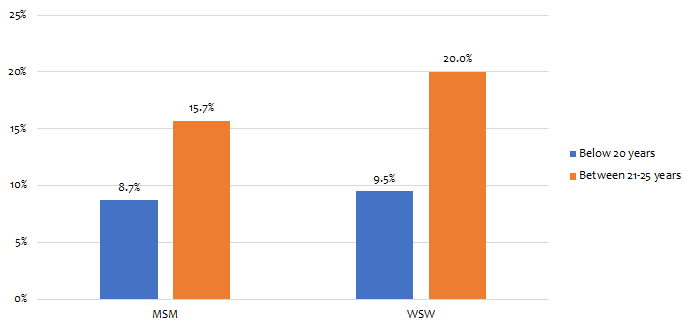
The population in Zambia is currently grappling with a myriad of health issues, primarily driven by factors such as infectious diseases, poor healthcare infrastructure, and socioeconomic challenges. According to reports from the ministry of health zambia, the country is experiencing a significant burden of communicable diseases, including HIV/AIDS, tuberculosis, and malaria, which continue to be major public health concerns.
Disease Prevalence
Zambia is experiencing a high prevalence of HIV/AIDS, with a significant portion of the population affected. The disease has had a profound impact on the country's demographic and socioeconomic landscape. Efforts by the ministry of health zambia to scale up antiretroviral therapy and prevention programs have been crucial in managing the epidemic.
| Disease | Prevalence Rate | Annual Deaths |
|---|---|---|
| HIV/AIDS | 12.3% | 18,000 |
| Tuberculosis | 333 per 100,000 | 4,000 |
| Malaria | 15.3% | 3,500 |
Maternal and Child Health
Maternal and child health remains a significant challenge in Zambia, with high maternal mortality rates and low life expectancy. The country's healthcare system faces difficulties in providing adequate prenatal, delivery, and postnatal care, contributing to these adverse outcomes. The ministry of health zambia has implemented various initiatives aimed at improving maternal and child health services, including increasing access to skilled birth attendants and enhancing community-based care.
| Indicator | Rate | Target |
|---|---|---|
| Maternal Mortality Ratio | 278 per 100,000 live births | Reduce by 25% |
| Under-5 Mortality Rate | 61 per 1,000 live births | Reduce by 30% |
| Skilled Birth Attendance | 63.8% | Increase to 80% |
Non-Communicable Diseases
The burden of non-communicable diseases (NCDs) is rising in Zambia, driven by factors such as urbanization, lifestyle changes, and an aging population. NCDs, including diabetes, hypertension, and cancer, are becoming increasingly significant public health concerns. The ministry of health zambia is working to strengthen its response to NCDs through improved surveillance, prevention, and management strategies.
| NCD | Prevalence | Projected Increase |
|---|---|---|
| Diabetes | 3.4% | 50% by 2030 |
| Hypertension | 34.6% | 20% by 2025 |
| Cancer | 24,000 new cases annually | 30% increase by 2030 |
What is the primary objective of the Ministry of Health in Zambia in terms of improving the country's healthcare system?
The primary objective of the Ministry of Health in Zambia is to improve the country's healthcare system by increasing access to quality healthcare services, reducing the burden of disease, and promoting health equity. The Ministry of Health Zambia aims to achieve this by strengthening the healthcare system, improving healthcare infrastructure, and enhancing the capacity of healthcare workers.
Strengthening Healthcare Infrastructure
The Ministry of Health in Zambia is working to strengthen the country's healthcare infrastructure by constructing and renovating healthcare facilities, improving equipment, and enhancing the supply chain management system. This is expected to improve the quality of healthcare services and increase access to healthcare, particularly in rural areas. The healthcare infrastructure development is a critical component of the Ministry's strategy to improve the overall healthcare system.
| Healthcare Infrastructure Development Projects | Status | Location |
|---|---|---|
| Construction of new hospitals | Ongoing | Rural areas |
| Renovation of existing healthcare facilities | Completed | Urban areas |
| Supply chain management system upgrade | Ongoing | National |
Enhancing Healthcare Workforce Capacity
The Ministry of Health in Zambia recognizes the importance of a skilled and competent healthcare workforce in delivering quality healthcare services. To address the shortage of healthcare workers, the Ministry is implementing strategies to enhance the capacity of healthcare workers through training and capacity-building programs. The healthcare workforce development is a critical component of the Ministry's strategy to improve the overall healthcare system.
| Healthcare Workforce Development Programs | Target Group | Duration |
|---|---|---|
| Clinical mentorship program | Doctors and nurses | 6 months |
| Training on disease management | Healthcare workers | 3 months |
| Leadership development program | Healthcare managers | 12 months |
Promoting Health Equity
The Ministry of Health in Zambia is committed to promoting health equity by ensuring that all Zambians have access to quality healthcare services, regardless of their socio-economic status or geographical location. To achieve this, the Ministry is implementing programs to reduce health disparities and improve healthcare outcomes, particularly among vulnerable populations. The health equity initiatives are designed to address the social determinants of health and promote health equality.
| Health Equity Initiatives | Target Population | Objective |
|---|---|---|
| Community-based health insurance scheme | Vulnerable populations | Increase access to healthcare |
| Outreach programs | Rural communities | Improve healthcare outcomes |
| Health education programs | General population | Promote healthy behaviors |
Are there any public healthcare services provided by the Ministry of Health in Zambia that are completely free of charge for citizens?

The Ministry of Health in Zambia is responsible for providing public healthcare services to its citizens. In Zambia, some public healthcare services provided by the Ministry of Health Zambia are completely free of charge for citizens, particularly those that are considered essential for the overall well-being of the population.
Free Healthcare Services for Citizens
The Ministry of Health Zambia provides various free healthcare services to its citizens, including maternal and child health services, vaccinations, and treatment for certain infectious diseases such as malaria and tuberculosis. These services are considered essential for maintaining public health and are provided free of charge at public healthcare facilities. The table below summarizes some of the free healthcare services provided by the Ministry of Health Zambia:
| Service | Description |
| Maternal Health Services | Antenatal care, delivery services, and postnatal care |
| Child Health Services | Immunizations, growth monitoring, and treatment for common childhood illnesses |
| Infectious Disease Treatment | Treatment for malaria, tuberculosis, and other infectious diseases |
Eligibility for Free Healthcare Services
To be eligible for free healthcare services provided by the Ministry of Health Zambia, citizens must meet certain criteria. Generally, vulnerable populations such as pregnant women, children under the age of five, and individuals with certain medical conditions are eligible for free healthcare services. The Ministry of Health Zambia also provides free healthcare services to citizens who are unable to afford them due to poverty or other socio-economic factors. The table below summarizes the eligibility criteria for free healthcare services:
| Eligibility Criteria | Description |
|---|---|
| Pregnant Women | Eligible for free maternal health services |
| Children under 5 | Eligible for free child health services |
| Individuals with Certain Medical Conditions | Eligible for free treatment for specific medical conditions |
Challenges Facing Free Healthcare Services
Despite the efforts of the Ministry of Health Zambia to provide free healthcare services to its citizens, there are several challenges that affect the delivery of these services. Some of the challenges include inadequate funding, shortage of healthcare personnel, and lack of essential medical supplies. The table below summarizes some of the challenges facing free healthcare services in Zambia:
| Challenge | Description |
|---|---|
| Inadequate Funding | Lack of sufficient funds to support free healthcare services |
| Shortage of Healthcare Personnel | Insufficient number of healthcare workers to provide quality care |
| Lack of Essential Medical Supplies | Inadequate supply of essential medicines and equipment |

The government of Zambia has various ministries that play a crucial role in healthcare delivery and health-related initiatives. The Ministry of Health Zambia is the primary ministry responsible for healthcare delivery in the country. However, other ministries also contribute to health-related initiatives.
Ministries Directly Involved in Healthcare
The Ministry of Health Zambia is directly responsible for the delivery of healthcare services in the country. It oversees the implementation of health policies, provision of healthcare services, and management of health facilities. Other ministries that are directly involved in healthcare include the Ministry of Finance, which provides funding for healthcare services, and the Ministry of Local Government, which is responsible for the administration of health facilities at the local level. The healthcare infrastructure is also supported by the Ministry of Infrastructure and Housing, which is responsible for the construction and maintenance of health facilities.
| Ministry | Role in Healthcare |
|---|---|
| Ministry of Health Zambia | Primary responsibility for healthcare delivery |
| Ministry of Finance | Provides funding for healthcare services |
| Ministry of Local Government | Administration of health facilities at local level |
Ministries Indirectly Involved in Healthcare
Other ministries in Zambia are indirectly involved in healthcare through initiatives that impact on the social determinants of health. For example, the Ministry of Education is responsible for health education in schools, while the Ministry of Agriculture is involved in initiatives that promote food security and nutrition. The Ministry of Labour and Social Security also plays a role in healthcare through its responsibility for occupational health and safety. The Ministry of Health Zambia works closely with these ministries to ensure that their initiatives are aligned with national health priorities.
| Ministry | Role in Healthcare |
|---|---|
| Ministry of Education | Health education in schools |
| Ministry of Agriculture | Promotes food security and nutrition |
| Ministry of Labour and Social Security | Occupational health and safety |
Collaboration and Coordination among Ministries
The various ministries involved in healthcare delivery and health-related initiatives in Zambia work together to ensure that their efforts are coordinated and effective. The Ministry of Health Zambia plays a key role in coordinating the efforts of other ministries, and there are several inter-ministerial committees that bring together representatives from different ministries to address specific health issues. This collaboration is essential for addressing the complex health challenges facing the country.
| Committee | Role |
|---|---|
| National Health Sector Coordinating Committee | Coordinates health sector activities |
| Inter-Ministerial Committee on Health | Brings together ministries to address health issues |
| Technical Working Groups | Provides technical guidance on health issues |
FAQ
What is the role of the Ministry of Health in Zambia?
The Ministry of Health in Zambia is responsible for healthcare delivery and policy formulation. It oversees the implementation of health programs and services across the country, ensuring that the population has access to quality medical care. The Ministry works closely with various stakeholders, including donor agencies and healthcare providers, to achieve its objectives.
How does the Ministry of Health in Zambia address the issue of HIV/AIDS?
The Ministry of Health in Zambia has implemented various strategies to combat HIV/AIDS, including prevention programs, treatment services, and care and support for those affected. It works in collaboration with international partners and local organizations to provide antiretroviral therapy and other essential services.
What initiatives has the Ministry of Health in Zambia undertaken to improve maternal health?
The Ministry of Health in Zambia has launched several initiatives aimed at reducing maternal mortality and improving reproductive health. These include increasing access to skilled birth attendants, enhancing prenatal care, and promoting family planning services.
How does the Ministry of Health in Zambia respond to disease outbreaks?
The Ministry of Health in Zambia has a robust disease surveillance system in place to quickly detect and respond to disease outbreaks. It works closely with WHO and other partners to strengthen its emergency preparedness and response capabilities, ensuring that outbreaks are contained and the impact on the population is minimized.