
4 months ago · Updated 4 months ago
Zambia is a country with a rich cultural heritage, reflected in its diverse traditional practices and celebrations. The nation is home to over 70 ethnic groups, each with its unique customs and rituals. The vibrant cultural landscape of Zambia is showcased through its numerous festivals and events, highlighting the significance of 'traditional ceremonies in Zambia'. These events not only bring communities together but also serve as a means of preserving cultural identity. This article will explore the various traditional ceremonies that take place in Zambia, examining their importance and the role they play in Zambian society.

Cultural Significance of Traditional Ceremonies in Zambia
Zambia is a country rich in cultural heritage, with a diverse array of ethnic groups, each having its unique traditional ceremonies. These ceremonies are not just significant cultural events but also play a crucial role in preserving the country's history, customs, and values. The traditional ceremonies in Zambia are a testament to the country's vibrant cultural landscape, showcasing the community's unity, resilience, and connection to their ancestral roots.
Types of Traditional Ceremonies
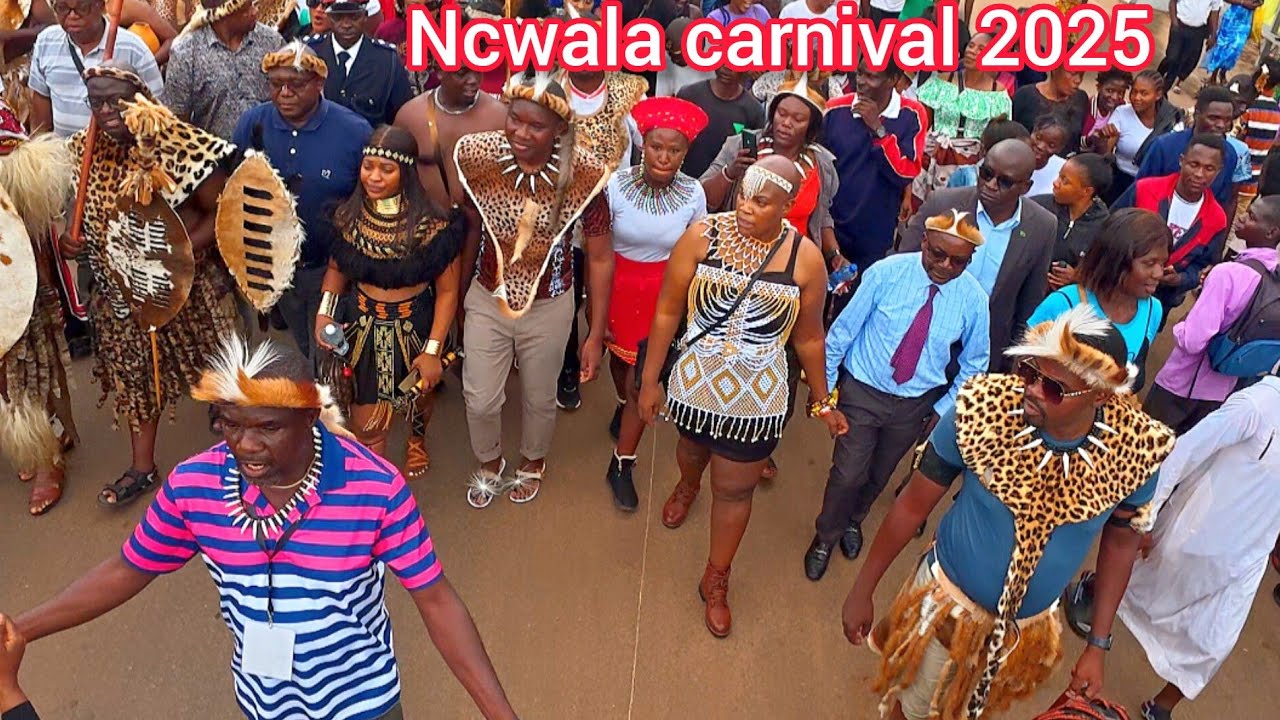
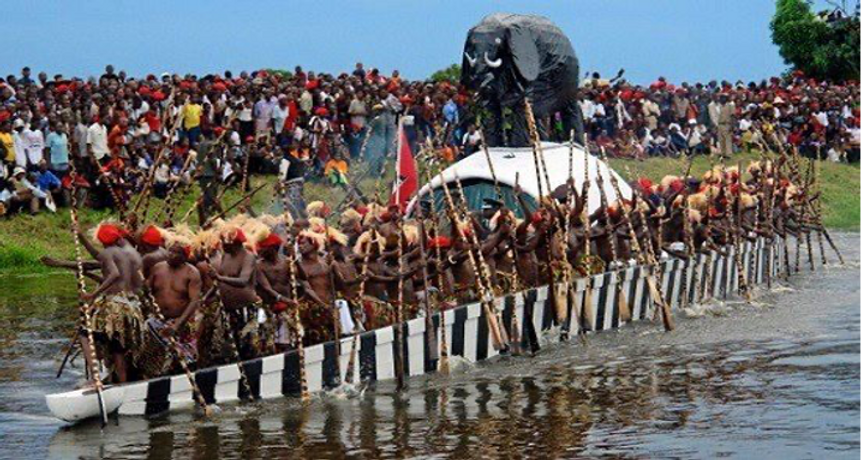
Zambia hosts a wide variety of traditional ceremonies throughout the year, each with its unique characteristics and significance. Some of the most notable ceremonies include the Kuomboka Ceremony of the Lozi people, which marks the beginning of the rainy season, and the Ncwala Ceremony of the Ngoni people, a first-fruits ceremony that celebrates the harvest season. These ceremonies are crucial for the cultural and social fabric of the communities involved.
Role in Preserving Cultural Heritage
The traditional ceremonies in Zambia are essential for preserving the country's cultural heritage. They serve as a link between the past and the present, allowing the younger generation to learn about their ancestors' customs, beliefs, and practices. Through these ceremonies, cultural values and traditions are passed down, ensuring their continuation.
Tourism and Economic Impact
These ceremonies also have a significant impact on Zambia's tourism industry. Visitors from around the world are drawn to the spectacle and cultural richness of the traditional ceremonies in Zambia. This influx of tourists not only promotes cultural exchange but also contributes to the local economy, providing income opportunities for local communities.
Challenges and Preservation Efforts
Despite their importance, traditional ceremonies in Zambia face challenges such as cultural erosion due to modernization and urbanization. Efforts are being made by both the government and local communities to preserve these cultural practices. This includes documentation, cultural education programs, and support for the continuation of these ceremonies.
Community Participation and Unity
One of the key aspects of traditional ceremonies in Zambia is the level of community participation they foster. These events bring together people from various backgrounds and age groups, promoting unity and a sense of belonging among community members. They are a celebration of the community's identity and cultural diversity.
| Ceremony Name | Ethnic Group | Significance |
|---|---|---|
| Kuomboka Ceremony | Lozi | Marks the beginning of the rainy season |
| Ncwala Ceremony | Ngoni | Celebrates the harvest season |
| Lwiindi Ceremony | Tonga | A thanksgiving ceremony to the ancestral spirits |
| Umutomboko Ceremony | Lunda | Commemorates the Lunda people's migration |
| Vabvuwi Ceremony | Goba | Celebrates the initiation of girls into womanhood |
Exploring the Rich Cultural Heritage: A Guide to Traditional Ceremonies in Zambia
What are the most significant traditional ceremonies observed in Zambia?
Zambia is a country with a rich cultural heritage, and it is home to numerous ethnic groups, each with their unique customs and traditional practices. The country observes various significant traditional ceremonies throughout the year, showcasing its diverse cultural landscape. These events are not only important for the local communities but also attract tourists, providing a glimpse into Zambia's cultural richness.
Ceremonial Significance
The traditional ceremonies in Zambia are significant because they serve as a means of preserving cultural heritage, promoting unity among community members, and passing down historical traditions to younger generations. For instance, the Kuomboka Ceremony, held by the Lozi people, marks the beginning of the flood season and is a significant event that highlights the community's dependence on the Zambezi River. These ceremonies often involve traditional dances, music, and rituals, making them vibrant expressions of Zambian culture.
| Ceremony Name | Ethnic Group | Significance |
| Kuomboka Ceremony | Lozi | Marks the beginning of the flood season |
| Nc'wala Ceremony | Ngoni | Celebrates the first fruits of the season |
| Lwiindi Ceremony | Tonga | A thanksgiving ceremony for a good harvest |
Preservation of Cultural Heritage
The traditional ceremonies observed in Zambia play a crucial role in the preservation of the country's cultural heritage. By continuing to practice and celebrate these events, communities are able to maintain their unique identities and pass down their traditions to future generations. The Nc'wala Ceremony, for example, is an important event for the Ngoni people, as it involves rituals that ensure a good harvest and is a testament to the community's strong connection to their land and agricultural practices. These ceremonies are an integral part of Zambia's cultural fabric, contributing to the richness of traditional ceremonies in Zambia.
| Ceremony | Date | Location |
|---|---|---|
| Kuomboka | March or April | Western Province |
| Nc'wala | February or March | Chipata, Eastern Province |
| Lwiindi | July | Central Province |
Tourism and Cultural Exchange
The traditional ceremonies in Zambia also have a significant impact on the country's tourism industry. These events attract visitors from around the world, providing an opportunity for cultural exchange and promoting understanding of Zambian traditions. The ceremonies showcase the country's rich cultural diversity and offer a unique experience for tourists. As a result, they contribute to the local economy and help promote Zambia as a cultural tourism destination, highlighting the importance of preserving traditional ceremonies in Zambia.
| Benefits | Description |
| Economic Benefits | Tourism revenue generated from ceremonies |
| Cultural Exchange | Opportunities for visitors to experience Zambian culture |
| Promotion of Cultural Heritage | Ceremonies help preserve and promote Zambian traditions |
What are the prominent cultural traditions practiced in Zambia?
Zambia is a country with a rich cultural heritage, and its people take great pride in their traditional ceremonies in Zambia. The country has a total of over 70 ethnic groups, each with their unique customs and practices. The cultural traditions practiced in Zambia are a reflection of the country's history, geography, and the influences of various cultures.
Cultural Significance of Traditional Ceremonies
The traditional ceremonies in Zambia play a significant role in the cultural and social fabric of the country. These ceremonies are not only a means of preserving cultural heritage but also serve as a way of promoting unity and social cohesion among the different ethnic groups. The ceremonies are often characterized by music, dance, and feasting, and are an integral part of Zambian culture. For example, the Lwiindi ceremony, celebrated by the Tonga people, is a thanksgiving ceremony that marks the beginning of the harvest season.
| Ceremony | Ethnic Group | Significance |
|---|---|---|
| Lwiindi | Tonga | Thanksgiving ceremony to mark the beginning of the harvest season |
| N'cila | Ngoni | Ceremony to mark the first fruits of the harvest |
Role of Music and Dance in Zambian Culture
Music and dance are essential components of Zambian culture, and play a vital role in the traditional ceremonies in Zambia. The different ethnic groups in Zambia have their unique styles of music and dance, which are often performed during ceremonies and celebrations. For instance, the Nyau dance, performed by the Chewa people, is a masked dance that is characterized by intricate footwork and rhythmic movements. The music and dance are not only a form of entertainment but also serve as a means of storytelling and cultural expression.
| Dance | Ethnic Group | Description |
|---|---|---|
| Nyau | Chewa | Masked dance characterized by intricate footwork and rhythmic movements |
| Muchongoyo | Ngoni | War dance that showcases strength and agility |
Preservation of Cultural Heritage
The preservation of cultural heritage is crucial in maintaining the cultural identity of the Zambian people. Efforts are being made to document and preserve the traditional ceremonies in Zambia, as well as the music and dance associated with them. The National Museum of Zambia plays a significant role in promoting and preserving Zambian culture, through its exhibitions and cultural programs. The museum provides a platform for the different ethnic groups to showcase their cultural practices and traditions.
| Institution | Role | Activities |
|---|---|---|
| National Museum of Zambia | Promoting and preserving Zambian culture | Exhibitions, cultural programs, and documentation of traditional ceremonies |
| Zambia Cultural Association | Promoting cultural exchange and understanding | Cultural festivals, workshops, and exchange programs |
What are the major cultural celebrations and festivals held in Zambia?

Zambia is a country with a rich cultural heritage, and various traditional ceremonies and festivals are held throughout the year. The major cultural celebrations and festivals in Zambia showcase the country's diverse ethnic groups and their unique customs.
Cultural Significance of Traditional Ceremonies
The traditional ceremonies in Zambia are an integral part of the country's cultural identity. These ceremonies are often associated with agricultural cycles, initiation rites, and ancestral worship. They provide a platform for the community to come together, share experiences, and pass on cultural values to the younger generation. The ceremonies often feature traditional music, dancing, and masking, which are essential elements of Zambian culture.
| Ceremony | Location | Frequency |
|---|---|---|
| Kubu Raja Cultural Festival | Western Province | Annually |
| Lunda Lubanza | North-Western Province | Every 2 years |
| N'c'wala | Luapula Province | Annually |
Types of Traditional Ceremonies in Zambia
Zambia has a diverse range of traditional ceremonies, each with its unique characteristics and significance. Some of the notable ceremonies include the Kubu Raja Cultural Festival, which celebrates the Lunda culture, and the Lunda Lubanza, which is a ceremony held by the Lunda people to commemorate their ancestors. These ceremonies often involve traditional attire, rituals, and offerings to the ancestors.
| Ceremony | Ethnic Group | Purpose |
|---|---|---|
| Lunda Lubanza | Lunda | Ancestral worship |
| N'c'wala | Lunda/Ndembu | Celebration of harvest |
| Kubu Raja Cultural Festival | Lunda | Cultural preservation |
Preservation of Cultural Heritage through Traditional Ceremonies
The traditional ceremonies in Zambia play a vital role in preserving the country's cultural heritage. These ceremonies provide a platform for the community to share their cultural practices and pass them on to the younger generation. The ceremonies also promote cultural tourism, which helps to support local economies and promote cross-cultural understanding. Efforts are being made to document and preserve these ceremonies for future generations.
| Initiative | Purpose | Stakeholders |
|---|---|---|
| Documentation of traditional ceremonies | Preservation of cultural heritage | Government, NGOs, Local communities |
| Cultural tourism promotion | Economic development | Tourism boards, Local communities |
| Cultural education programs | Promoting cross-cultural understanding | Educational institutions, NGOs |
What are some of the notable traditional ceremonies that take place in Zambia?
Zambia is a country with a rich cultural heritage, and it is home to numerous traditional ceremonies that take place throughout the year. These ceremonies are an integral part of the country's identity and are often used to mark important events, celebrate harvests, or honor the ancestors. Some of the most notable traditional ceremonies in Zambia include the Kuomboka ceremony of the Lozi people, the N'c'ula ceremony of the Ngoni people, and the Lwiindi ceremony of the Tonga people.
Cultural Significance of Traditional Ceremonies
The traditional ceremonies in Zambia are significant because they provide a platform for the different cultures to come together and celebrate their heritage. These ceremonies are often characterized by traditional dances, music, and attire, and they offer a unique insight into the history and customs of the various ethnic groups in Zambia. For example, the Kuomboka ceremony, which marks the beginning of the Lozi people's migration from the floodplains to the higher grounds, is a significant event that showcases the resilience and adaptability of the Lozi people. The table below highlights some of the key aspects of the Kuomboka ceremony.
| Ceremony | Date | Location | Key Features |
| Kuomboka | March or April | Western Province | Traditional dances, music, and attire; marks the beginning of the Lozi people's migration |
Diversity of Traditional Ceremonies in Zambia
Zambia is home to over 70 ethnic groups, each with their own unique culture and traditions. As a result, the country hosts a diverse range of traditional ceremonies throughout the year. For instance, the N'c'ula ceremony, which is celebrated by the Ngoni people, is a coming-of-age ceremony that marks the transition of young girls into womanhood. The ceremony is characterized by traditional dances and music, and it is an important milestone in the lives of the young girls. The table below highlights some of the key aspects of the N'c'ula ceremony.
| Ceremony | Date | Location | Key Features |
| N'c'ula | December | Eastern Province | Traditional dances and music; marks the transition of young girls into womanhood |
Preservation of Traditional Ceremonies
The traditional ceremonies in Zambia are an important part of the country's cultural heritage, and efforts are being made to preserve them for future generations. The Zambian government, in collaboration with local communities and cultural organizations, is working to promote and document these ceremonies. This includes providing support for the organization of the ceremonies, as well as documenting the events through film, photography, and written records. The table below highlights some of the key initiatives that are being undertaken to preserve the traditional ceremonies in Zambia.
| Initiative | Description | Key Stakeholders |
| Documentation of traditional ceremonies | Documenting the ceremonies through film, photography, and written records | Zambian government, local communities, cultural organizations |
FAQ
What is the significance of traditional ceremonies in Zambia?
Traditional ceremonies in Zambia play a crucial role in preserving the country's cultural heritage and are an integral part of the identity and unity of the various ethnic groups. These ceremonies are not only a celebration of heritage and tradition but also serve as a means of passing down cultural values and historical narratives to younger generations.
Which traditional ceremonies are most popular in Zambia?
Some of the most popular traditional ceremonies in Zambia include the Kuomboka ceremony of the Lozi people, the N'cwala ceremony of the Ngoni people, and the Lwiindi ceremony of the Tonga people. These ceremonies are significant tourist attractions and provide a unique opportunity for visitors to experience Zambia's rich cultural diversity.
When and where do traditional ceremonies in Zambia usually take place?
Traditional ceremonies in Zambia usually take place at specific times of the year, often coinciding with the harvest season or other significant events in the agricultural calendar. The location of these ceremonies varies, with some taking place in rural areas and others in urban centers, depending on the specific traditions and preferences of the ethnic group.
Can tourists participate in traditional ceremonies in Zambia?
While some traditional ceremonies in Zambia are open to tourists, others are restricted to members of the specific ethnic group or community. Tourists who are interested in participating in or attending a traditional ceremony should first seek permission and guidance from local authorities or tour operators to ensure that they are respectful of local customs and traditions.