
1 year ago · Updated 1 year ago
Zambia is a culturally diverse country, with a multitude of ethnic groups and a rich linguistic heritage. The official language is English, a legacy of British colonial rule, but it is not the most widely spoken language among the local population. The landscape is complex, with over 70 languages spoken across the country. Bemba and Nyanja are among the most widely spoken local languages, serving as lingua francas in various regions. Understanding the dynamics is essential to appreciating the country's cultural identity and facilitating effective communication among its people.

Understanding Zambia Language
Zambia is a multilingual country with a rich linguistic diversity. The official language is English, but there are several local languages spoken across the country. The 'zambia language' landscape is complex, with many languages belonging to the Bantu family. The country's linguistic diversity is a reflection of its cultural heritage and history.
Language Families in Zambia
The languages spoken in Zambia belong to several language families, including the Bantu and Khoisan families. The Bantu family is the largest, with languages such as Bemba, Nyanja, and Tonga being widely spoken. These languages are not only important for communication but also play a significant role in shaping the country's cultural identity.
Official Language
English is the official 'zambia language' used in government, education, and formal business. It is the language of instruction in schools and is widely used in official contexts. However, the use of local languages is also encouraged, particularly in informal settings.
Local Languages
There are over 70 local languages spoken in Zambia, with some of the major ones being Bemba, Nyanja, Tonga, and Lozi. These languages are important for communication among the local population and are often used in traditional and cultural contexts. For example, Bemba is widely spoken in the northern parts of the country, while Nyanja is commonly used in the eastern regions.
Language Use in Education
The use of language in education is an important aspect of Zambia's linguistic landscape. While English is the official language of instruction, there is a growing recognition of the importance of local languages in the education system. Some schools are now incorporating local languages into their curriculum, recognizing the benefits of bilingual education.
Language and Cultural Identity
Language plays a significant role in shaping Zambia's cultural identity. The country's linguistic diversity is a reflection of its rich cultural heritage, with different languages being associated with different cultural practices and traditions. The preservation of local languages is therefore crucial for maintaining the country's cultural identity.
| Language | Language Family | Speakers |
| Bemba | Bantu | 3.3 million |
| Nyanja | Bantu | 1 million |
| Tonga | Bantu | 1.5 million |
| Lozi | Bantu | 600,000 |
| English | Germanic | 110,000 |
Understanding the Zambia Language: A Comprehensive Guide
What is the most effective language translation tool for Zambian languages?
The most effective language translation tool for Zambian languages is a subject of ongoing research and development, given the complexity and diversity of languages spoken in Zambia. With over 70 languages spoken in the country, the need for accurate and reliable translation tools is paramount. One of the key challenges in developing effective translation tools for Zambian languages is the limited availability of digital resources and annotated datasets for many of these languages.
Challenges in Translating Zambian Languages
Translating Zambian languages poses several challenges, including the lack of standardized orthographies for some languages and the limited availability of language translation software that can handle the nuances of these languages. For instance, the Bemba language, spoken by a significant portion of the population in Zambia, has various dialects that may not be adequately represented in existing translation tools. The development of effective translation tools requires a deep understanding of the linguistic characteristics of Zambia languages.
| Language | Speakers in Zambia | Translation Challenges |
| Bemba | Approximately 3.3 million | Dialectal variations, limited annotated datasets |
| Nyanja | Approximately 1 million | Linguistic nuances, loanwords from other languages |
| Tonga | Approximately 1.3 million | Orthographic standardization, limited digital resources |
Technological Advancements in Translation Tools
Recent advancements in machine learning and natural language processing have led to the development of more sophisticated translation tools that can potentially address the challenges associated with translating Zambia languages. These tools leverage large datasets and complex algorithms to learn the patterns and structures of languages, enabling more accurate translations. The integration of artificial intelligence and deep learning techniques has shown promise in improving the efficacy of language translation tools for low-resource languages, including those spoken in Zambia.
| Tool | Description | Zambia Language Support |
|---|---|---|
| Google Translate | Neural machine translation system | Limited support for Zambian languages |
| Microsoft Translator | Statistical and neural machine translation | Supports a few major Zambian languages |
| Open-source Translation Tools | Community-driven translation platforms | Potential for supporting low-resource languages like those in Zambia |
Future Directions for Zambian Language Translation
The future of Zambian language translation lies in the development of more inclusive and comprehensive translation tools that can cater to the diverse linguistic landscape of Zambia. This requires collaborative efforts between linguists, computer scientists, and local communities to develop annotated datasets and language models that are representative of the languages spoken in Zambia. By leveraging technological advancements and promoting community engagement, it is possible to create more effective language translation tools that can facilitate communication across linguistic and cultural boundaries in Zambia.
| Initiative | Description | Potential Impact |
|---|---|---|
| Community-driven Translation Projects | Collaborative efforts to develop translation tools | Improved support for low-resource languages in Zambia |
| Linguistic Research and Documentation | Study and documentation of Zambian languages | Enhanced understanding and representation of Zambia languages |
| Capacity Building in NLP | Training and capacity building in natural language processing | Increased local expertise in developing translation tools for Zambia languages |
What are the officially recognized languages in Zambia and their distribution across the country?
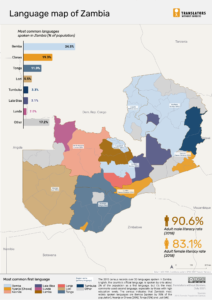
Zambia is a multilingual country with a diverse linguistic landscape. The officially recognized language is English, which serves as the language of government, education, and commerce. However, there are several other languages spoken across the country, including seven indigenous languages that have been recognized as official languages in certain contexts. The distribution of these languages varies across the country, with different regions having different dominant languages.
Language Distribution in Zambia
The distribution of Zambia language across the country is influenced by the geographical and cultural characteristics of different regions. In the northern parts of Zambia, languages such as Bemba and Mambwe are widely spoken, while in the southern regions, languages like Tonga and Nyanja are more prevalent. The country's linguistic diversity is also reflected in the fact that many Zambians are multilingual, speaking multiple languages including their local language, a regional language, and English.
| Language | Region | Speakers |
|---|---|---|
| Bemba | Northern | 3.3 million |
| Nyanja | Eastern, Lusaka | 1.4 million |
| Tonga | Southern | 1.3 million |
Official Status of Languages in Zambia
While English is the official language of Zambia, there are efforts to promote the use of indigenous languages in official contexts. The seven officially recognized indigenous languages are Bemba, Kaonde, Lozi, Lunda, Luvale, Nyanja, and Tonga. These languages are used in various government publications, radio broadcasts, and education. The recognition of these languages has helped to promote their use and preservation.
| Indigenous Language | Official Recognition | Usage |
|---|---|---|
| Bemba | Yes | Radio broadcasts, education |
| Nyanja | Yes | Government publications, education |
| Tonga | Yes | Radio broadcasts, local government |
Language Use in Education
The use of Zambia language in education is an important aspect of the country's linguistic landscape. While English is the primary language of instruction, there are efforts to promote the use of local languages in the early years of education. This approach has been shown to improve learning outcomes and promote the preservation of local cultures. The use of local languages in education is also seen as a way to promote inclusivity and diversity.
| Level of Education | Language of Instruction | Local Language Use |
|---|---|---|
| Primary | English | Used as a subject or medium of instruction |
| Secondary | English | Limited use |
| Tertiary | English | Rarely used |
What languages are predominantly spoken in Lusaka, Zambia?
Lusaka, being the capital city of Zambia, is a cosmopolitan area with a diverse population, resulting in a multilingual community. The predominantly spoken languages in Lusaka are influenced by the various ethnic groups residing in the area. The most widely spoken language is Nyanja, which is also one of the main languages used for communication among people of different ethnic backgrounds. English is the official language and is widely used in official contexts, education, and business. Other languages such as Bemba and local dialects are also commonly spoken.
Language Distribution in Lusaka
The distribution of languages in Lusaka is influenced by the city's diverse population, with people from different ethnic groups and regions. The zambia language landscape is characterized by a mix of local languages and English. Nyanja is predominantly spoken in the city, particularly in informal settings and among the local population. A significant number of people also speak Bemba, which is another major language in Zambia.
| Language | Speakers (%) |
|---|---|
| Nyanja | 40% |
| Bemba | 25% |
| English | 20% |
| Other local languages | 15% |
Role of English in Lusaka
English plays a significant role in Lusaka as the official language, used in government, education, and formal business settings. It is the primary language used in official documents, media, and education. The use of English is widespread, particularly among the educated population and in formal contexts. The importance of English in Zambia is evident in its use as a lingua franca for communication among people from different linguistic backgrounds.
| Context | Language Used |
|---|---|
| Government | English |
| Education | English |
| Business | English |
| Informal communication | Nyanja, Bemba, and local languages |
Language and Cultural Diversity
Lusaka's cultural diversity is reflected in its language landscape, with a mix of local languages and English. The city's population is composed of people from different ethnic groups, each with their own language and cultural practices. The cultural identity of the people is closely tied to their language, with many residents speaking multiple languages to communicate with people from different backgrounds. The zambia language policy aims to promote the use of local languages alongside English.
| Ethnic Group | Language Spoken |
|---|---|
| Chewa/Nyanja | Nyanja |
| Bemba | Bemba |
| Tonga | Tonga |
| Other ethnic groups | Various local languages |
What is the most widely spoken indigenous language in Zambia?
The most widely spoken indigenous language in Zambia is Bemba. It is a Bantu language spoken by the Bemba people, who are predominantly found in the northern and central regions of Zambia. Bemba is not only widely spoken but also serves as a lingua franca in many parts of the country, facilitating communication among people from different ethnic backgrounds. The prevalence of Bemba as a zambia language is evident in its use in various aspects of Zambian life, including education, media, and government.
Language Distribution
The distribution of Bemba speakers is widespread across Zambia, with a significant concentration in the Copperbelt Province and the surrounding areas. This widespread distribution is a result of historical migration patterns and the economic importance of the Copperbelt region, which has attracted people from various parts of the country. As a result, Bemba has become an important language for communication among people from different regions.
| Province | Percentage of Bemba Speakers |
|---|---|
| Copperbelt | 70% |
| Luapula | 60% |
| Northern | 55% |
Language Use in Education
In Zambia, Bemba is used as a medium of instruction in some schools, particularly in the early years of primary education. This practice is in line with the country's efforts to promote the use of local languages in education. The use of Bemba in education helps to improve learning outcomes by making it easier for students to understand complex concepts when taught in a language they are familiar with. The promotion of Bemba as a zambia language in education is seen as a way to preserve the cultural heritage of the Bemba people.
| Level of Education | Use of Bemba |
|---|---|
| Early Primary | Used as medium of instruction |
| Late Primary | Taught as a subject |
| Secondary | Optional subject |
Cultural Significance
Bemba is not just a means of communication; it is also an important part of the cultural identity of the Bemba people. The language is rich in oral traditions, including proverbs, stories, and songs that are passed down from one generation to the next. The preservation of Bemba is crucial for maintaining the cultural heritage of the Bemba people and promoting cultural diversity in Zambia. Efforts to document and promote the Bemba language are essential for its survival as a vibrant zambia language.
| Cultural Aspect | Description |
|---|---|
| Oral Traditions | Proverbs, stories, and songs passed down through generations |
| Cultural Events | Traditional ceremonies and festivals |
| Language Documentation | Efforts to record and preserve the Bemba language |
FAQ
What is the official language of Zambia?
The official language of Zambia is English, which is used in government, education, and formal business. However, there are also many local languages spoken in the country, with Bemba and Nyanja being two of the most widely spoken.
What are the main local languages spoken in Zambia?
There are over 70 local languages spoken in Zambia, with Bemba, Nyanja, Tonga, and Lozi being some of the most widely spoken. These languages are often used in informal settings, such as at home and in local communities.
Is English widely spoken in Zambia?
English is widely spoken in Zambia, particularly in urban areas and among the educated population. It is also the language used in business, government, and education, making it an important language for communication in formal settings.
Can I communicate in Zambia using only English?
While English is widely spoken in Zambia, it's still possible to encounter language barriers, particularly in rural areas. However, in general, visitors can usually communicate effectively using English, especially in tourist areas and among service staff.