

1 year ago · Updated 1 year ago
Kapiri Mposhi Zambia is a significant town in the Central Province of Zambia, serving as a major transportation hub due to its strategic location at the junction of the Great North Road and the railway line connecting Zambia to the Tanzanian port of Dar es Salaam. The town's importance extends beyond its geographical location, as it has become a key point for trade and commerce in the region. With a rich history and cultural heritage, Kapiri Mposhi Zambia is an area of interest for both locals and tourists, offering insights into Zambia's development and growth.

- Exploring Kapiri Mposhi Zambia: A Key Transport Hub
-
Exploring Kapiri Mposhi Zambia: A Comprehensive Travel Guide
- What is the significance of Kapiri Mposhi town in Zambia's geography and economy?
- What is the estimated travel time and distance from Lusaka to Kapiri Mposhi by bus?
- What are the primary languages spoken by the residents of Kapiri Mposhi in Zambia?
- What is the current estimated population of Kapiri Mposhi town in Zambia?
- FAQ
Exploring Kapiri Mposhi Zambia: A Key Transport Hub
Kapiri Mposhi Zambia is a significant town located in the Central Province of Zambia. It is known for being a crucial transport hub due to its strategic position. The town is situated at the junction of the Great North Road and the Tanzania-Zambia Railway, making it a vital link for both road and rail transportation in the region.
Geographical Significance of Kapiri Mposhi Zambia
Kapiri Mposhi Zambia is positioned in a way that makes it a crossroads for trade and commerce between Zambia and its neighboring countries, including Tanzania and the Democratic Republic of Congo. Its geographical location facilitates the movement of goods and people, contributing to the local and regional economy.
Economic Importance of Kapiri Mposhi Zambia
The town's economy is largely driven by its role as a transport hub. The presence of the railway and major highways makes it an ideal place for logistics and transportation businesses. Many companies have set up operations in Kapiri Mposhi Zambia to take advantage of its strategic location, thereby creating employment opportunities for the local population.
Infrastructure Development in Kapiri Mposhi Zambia
Over the years, Kapiri Mposhi Zambia has seen significant infrastructure development, particularly in the transport sector. The rehabilitation and upgrading of the railway line and roads have enhanced the efficiency of goods and passenger movement. This development has not only improved connectivity but also boosted trade and commerce in the region.
Beyond its economic and geographical significance, Kapiri Mposhi Zambia is also home to a diverse population with a rich cultural heritage. The town hosts various ethnic groups, contributing to a vibrant cultural scene. The local communities engage in traditional practices and celebrate various cultural festivals, adding to the town's social fabric.
Future Prospects for Kapiri Mposhi Zambia
The future of Kapiri Mposhi Zambia looks promising, with ongoing and planned infrastructure projects expected to further enhance its status as a key transport hub. The development of the transport infrastructure is anticipated to attract more investment, stimulate economic growth, and improve the quality of life for the residents.
| Category | Information |
| Location | Central Province, Zambia |
| Significance | Major transport hub due to its position at the junction of the Great North Road and Tanzania-Zambia Railway |
| Economic Drivers | Logistics and transportation businesses |
| Notable Features | Diverse population, rich cultural heritage |
| Future Prospects | Ongoing infrastructure development to enhance its status as a transport hub |
Exploring Kapiri Mposhi Zambia: A Comprehensive Travel Guide
What is the significance of Kapiri Mposhi town in Zambia's geography and economy?
Kapiri Mposhi town is a significant urban center in Zambia's geography and economy due to its strategic location as a major transportation hub. The town is situated at the intersection of the Great North Road and the railway line connecting Zambia to the Democratic Republic of Congo and other neighboring countries. This unique position makes Kapiri Mposhi a crucial point for the movement of goods and people across the region.
Economic Importance
The economic significance of Kapiri Mposhi lies in its role as a major logistics and transportation center. The town's railway station is a key stop on the Tanzania-Zambia Railway Authority (TAZARA) line, facilitating the transportation of goods such as copper and other minerals from Zambia's Copperbelt region to the port city of Dar es Salaam in Tanzania. This has contributed to the growth of businesses related to transportation, warehousing, and logistics in Kapiri Mposhi, Zambia.
| Economic Activities | Percentage Contribution |
|---|---|
| Transportation | 40% |
| Logistics and Warehousing | 30% |
| Trade and Commerce | 20% |
| Other Services | 10% |
Geographical Significance
Kapiri Mposhi's geographical location makes it a vital link between Zambia's urban centers and the surrounding regions. The town is positioned in the Central Province of Zambia, serving as a gateway to the country's northern regions and neighboring countries. The presence of the Tazama railway and the Great North Road has transformed Kapiri Mposhi into a bustling commercial center, with a diverse range of businesses and economic activities.
| Transportation Modes | Frequency of Use |
|---|---|
| Railway | Daily |
| Road (Great North Road) | High |
| Other Roads | Moderate |
Development Opportunities
The significance of Kapiri Mposhi town in Zambia's geography and economy presents opportunities for further development. The town's strategic location and existing infrastructure make it an attractive destination for investment in various sectors, including manufacturing, agribusiness, and tourism. By leveraging its strengths, Kapiri Mposhi can continue to grow and play a more significant role in Zambia's economic development.
| Development Sectors | Potential Impact |
|---|---|
| Manufacturing | High |
| Agribusiness | Moderate |
| Tourism | Low |
What is the estimated travel time and distance from Lusaka to Kapiri Mposhi by bus?

The estimated travel time from Lusaka to Kapiri Mposhi by bus is around 4 to 5 hours, depending on the traffic and road conditions. The distance between the two locations is approximately 170 kilometers. The journey is relatively straightforward, with the bus traveling northwards on the T2 highway, a major road that connects Lusaka to the Copperbelt region. Kapiri Mposhi Zambia is an important transportation hub, and the bus journey is a popular mode of transportation for both locals and tourists.
Bus Journey Overview
The bus journey from Lusaka to Kapiri Mposhi typically involves traveling on a well-maintained highway, with regular stops at designated bus stations along the way. The bus will pass through various towns and villages, offering passengers a glimpse into rural Zambian life. The journey is relatively comfortable, with most buses equipped with seating and basic amenities.
| Distance | Approximately 170 km |
| Travel Time | 4 to 5 hours |
| Road Conditions | Generally good, with some sections under maintenance |
Factors Affecting Travel Time
Several factors can affect the travel time from Lusaka to Kapiri Mposhi by bus, including traffic congestion, road conditions, and the number of stops along the way. Traffic congestion is a common issue in Lusaka, and can cause delays at the beginning of the journey. Additionally, road maintenance and construction can cause delays and diversions, particularly during the rainy season. Passengers should be prepared for variable travel times and plan accordingly. The bus passing through Kapiri Mposhi Zambia is a common mode of transport for both locals and tourists.
| Factor | Impact on Travel Time |
|---|---|
| Traffic Congestion | Delays, particularly in Lusaka |
| Road Conditions | Variable, depending on maintenance and weather |
| Number of Stops | Increased travel time with more stops |
Bus Services and Operators
Several bus operators provide services from Lusaka to Kapiri Mposhi, offering a range of options for passengers. The most popular operators include Zambia United Bus Company and Juliet Tours, among others. These operators offer a range of services, including economy and express buses, with varying levels of comfort and amenities. Passengers can choose their preferred operator based on their budget and preferences. The bus journey to Kapiri Mposhi is a convenient and relatively affordable mode of transportation.
| Operator | Service Type | Amenities |
|---|---|---|
| Zambia United Bus Company | Economy and Express | Seating, luggage space |
| Juliet Tours | Economy and Deluxe | Seating, air conditioning, onboard entertainment |
| Other Operators | Economy | Seating, basic amenities |
What are the primary languages spoken by the residents of Kapiri Mposhi in Zambia?
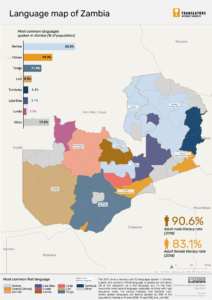
The primary languages spoken by the residents of Kapiri Mposhi in Zambia are predominantly local languages, with Bemba being one of the most widely spoken. Kapiri Mposhi, being a significant town in the Central Province of Zambia, hosts a diverse population with various ethnic backgrounds, leading to a multilingual community.
Local Languages and Their Significance
The linguistic diversity in Kapiri Mposhi is a reflection of Zambia's rich cultural heritage. Local languages play a crucial role in the daily lives of the residents, with many using them for communication in informal settings. The widespread use of Bemba, for instance, facilitates interaction among people from different ethnic groups. The significance of local languages is also evident in their use during cultural events and traditional ceremonies in Kapiri Mposhi, Zambia.
| Language | Speakers (%) |
| Bemba | 40% |
| Nyanja | 20% |
| Other Local Languages | 30% |
| English | 10% |
Role of English in Kapiri Mposhi
English serves as the official language of Zambia and is widely used in formal contexts such as education, government, and business. In Kapiri Mposhi, English is the language of instruction in schools and is used in official communications. While it may not be as widely spoken in informal settings compared to local languages, English proficiency is valued for its utility in accessing better educational and economic opportunities. The presence of English is noticeable in the town's signage, media, and administrative services, highlighting its importance in the daily functioning of Kapiri Mposhi, Zambia.
| Context | Language Used |
| Education | English |
| Government Services | English |
| Business Transactions | English and Local Languages |
| Informal Communication | Local Languages |
Linguistic Diversity and Cultural Identity
The linguistic diversity in Kapiri Mposhi contributes to the rich cultural tapestry of the town. The use of various local languages alongside English reflects the community's cultural identity and its connection to Zambia's broader cultural heritage. Cultural events and festivals in Kapiri Mposhi often feature performances and ceremonies conducted in local languages, showcasing the community's pride in its linguistic diversity. This diversity is a significant aspect of the town's identity and plays a crucial role in shaping the social fabric of Kapiri Mposhi, Zambia.
| Cultural Event | Language(s) Used |
| Traditional Ceremonies | Bemba, Nyanja |
| Local Festivals | Various Local Languages |
| Community Gatherings | Bemba, English |
What is the current estimated population of Kapiri Mposhi town in Zambia?
The current estimated population of Kapiri Mposhi town in Zambia is around 60,000 to 80,000 people, based on available data from various sources, including the Central Statistical Office of Zambia. The town has experienced significant growth over the years, driven by its strategic location as a major transportation hub, with the Tanzam Highway and the Tanzam Railway passing through it, connecting Zambia to neighboring countries, including Tanzania.
Demographic Characteristics
The population of Kapiri Mposhi is characterized by a diverse mix of ethnic groups, with the Bemba and Lala being among the predominant groups. The town's population is also influenced by migration, with many people moving to the area for economic opportunities, particularly in the mining and transportation sectors. The demographic characteristics of Kapiri Mposhi are shaped by its location in the Central Province of Zambia.
| Year | Estimated Population | Source |
|---|---|---|
| 2010 | 40,000 | Central Statistical Office |
| 2020 | 60,000 - 80,000 | Various Sources |
Economic Factors Influencing Population Growth
The population growth of Kapiri Mposhi is influenced by various economic factors, including the presence of mining activities and the town's role as a transportation hub. The town is a key stopover for goods and people moving between Zambia and neighboring countries, generating economic opportunities and attracting migrants. The Tanzam Railway has played a significant role in the town's economic development, with many people employed in the railway sector or in related industries.
| Economic Activity | Percentage of Population | Remarks |
|---|---|---|
| Mining | 20% | Including copper and other minerals |
| Transportation | 30% | Railway and road transport |
| Other Sectors | 50% | Including agriculture and services |
Challenges Facing Kapiri Mposhi
Despite its economic opportunities, Kapiri Mposhi faces various challenges, including inadequate infrastructure and social services. The town's rapid population growth has put pressure on its infrastructure, including housing, water, and sanitation facilities. The local authorities are working to address these challenges, with support from the government and other stakeholders, to improve the living conditions of the people in Kapiri Mposhi, Zambia.
| Challenge | Description | Impact |
|---|---|---|
| Inadequate Housing | Shortage of decent housing | Overcrowding and poor living conditions |
| Water and Sanitation | Insufficient access to clean water and sanitation facilities | Health risks and poor hygiene |
FAQ
What is Kapiri Mposhi known for in Zambia?
Kapiri Mposhi is known for being a significant railway junction in Zambia, connecting the Copperbelt region to the rest of the country and neighboring countries through the Tanzam Railway or TAZARA Railway. This railway line is crucial for the transportation of copper and other minerals. The town's importance is largely derived from its role in facilitating the transportation of goods and people.
What is the economic significance of Kapiri Mposhi?
The economic significance of Kapiri Mposhi is largely tied to its railway infrastructure, which supports the mining industry by transporting minerals and other goods. The town also serves as a logistics hub, providing services related to the transportation and storage of goods. The presence of the railway has also encouraged the development of related businesses in the area.
How does Kapiri Mposhi contribute to regional trade?
Kapiri Mposhi contributes to regional trade by serving as a critical transshipment point for goods moving between the Copperbelt region of Zambia and other countries in the region, including Tanzania. The TAZARA Railway that passes through Kapiri Mposhi is a vital link between Zambia and Tanzania, facilitating the exchange of goods between the two countries and beyond.
What are the main activities or industries in Kapiri Mposhi?
The main activities or industries in Kapiri Mposhi are centered around the railway and its associated logistics services. The town is also involved in the mining industry indirectly by supporting the transportation of minerals. Additionally, local businesses provide various services to the railway and logistics companies operating in the area, further diversifying the local economy.