
4 months ago · Updated 4 months ago
Located in the southern part of Zambia, Livingstone Zambia is a city steeped in history and natural beauty. As a major tourist hub, it offers a unique blend of cultural heritage and breathtaking landscapes. The city is named after the famous Scottish missionary and explorer David Livingstone and is known for its proximity to one of the world's most spectacular natural wonders, Victoria Falls. Livingstone Zambia serves as a gateway to adventure and exploration, attracting visitors from around the globe with its rich history, vibrant culture, and stunning scenery. Its charm lies in its ability to seamlessly blend tradition with modern attractions.

- Exploring the Natural Beauty of Livingstone Zambia
-
Exploring the Hidden Gems of Livingstone Zambia: A Comprehensive Travel Guide
- What are the safety considerations for tourists walking around Livingstone, Zambia?
- What is the predominant language spoken by locals and used for tourism in Livingstone, Zambia?
- Is malaria a significant health risk in Livingstone, Zambia, and are there any preventive measures in place?
- What are the main attractions and experiences that make Livingstone, Zambia a worthwhile destination to visit?
- FAQ
Exploring the Natural Beauty of Livingstone Zambia
Livingstone Zambia is a city that is steeped in history and natural beauty. Located in the southern part of the country, it is a popular tourist destination known for its proximity to the magnificent Victoria Falls, one of the Seven Natural Wonders of the World. The city offers a unique blend of cultural heritage and outdoor activities, making it an ideal location for travelers who are looking to experience the best of Zambia.
The Cultural Significance of Livingstone Zambia
Livingstone Zambia is named after the famous Scottish missionary and explorer, David Livingstone. The city has a rich cultural heritage, with a mix of traditional and colonial influences. Visitors can explore the city's many museums, historical sites, and cultural attractions, such as the Livingstone Museum, which provides a fascinating insight into the history and culture of the region.
Outdoor Activities in Livingstone Zambia
Livingstone Zambia is an adventure-seeker's paradise, with a wide range of outdoor activities to suit all interests and ages. Visitors can enjoy white-water rafting, bungee jumping, and zip-lining, or take a more leisurely helicopter tour or sunset cruise on the Zambezi River. The city is also a great base for exploring the surrounding wilderness, with many opportunities for safari and game viewing.
Victoria Falls: A Natural Wonder
One of the main attractions in Livingstone Zambia is the majestic Victoria Falls, a UNESCO World Heritage Site. The falls are a breathtaking sight, with the Zambezi River plunging over 100 meters into the gorge below. Visitors can take a Devil's Pool tour or a knife-edge walk to get up close to the falls, or simply stand back and marvel at the sheer power and beauty of this natural wonder.
Economic Development in Livingstone Zambia
Livingstone Zambia is not only a popular tourist destination, but also an important economic hub. The city is investing heavily in infrastructure development, including the Livingstone Airport and tourist facilities. This investment is helping to drive economic growth and create new opportunities for local businesses and communities.
Conservation Efforts in Livingstone Zambia
Livingstone Zambia is also committed to conservation and sustainability. The city is working to protect its natural resources, including the Zambezi River and surrounding wilderness areas. Visitors can support local conservation efforts by participating in community-based tourism initiatives and supporting eco-friendly tour operators.
| Attraction | Description | Location |
|---|---|---|
| Victoria Falls | UNESCO World Heritage Site, one of the Seven Natural Wonders of the World | Livingstone Zambia |
| Livingstone Museum | Cultural and historical museum, showcasing the history and culture of the region | Livingstone Zambia |
| Zambezi River | Scenic river, offering opportunities for white-water rafting, sunset cruises, and fishing | Livingstone Zambia |
| Devil's Pool | Thrilling tour, offering a unique perspective on Victoria Falls | Livingstone Zambia |
| Livingstone Airport | Modern airport, serving as a hub for tourism and business development | Livingstone Zambia |
What are the safety considerations for tourists walking around Livingstone, Zambia?

When walking around Livingstone, Zambia, tourists should be aware of several safety considerations to ensure a secure and enjoyable experience. The town is generally considered safe for visitors, but as with any travel destination, it's crucial to be mindful of one's surroundings and take necessary precautions.
General Precautions
Tourists should be cautious when walking around Livingstone, Zambia, especially at night. It's advisable to stick to well-lit areas and avoid walking alone in isolated spots. Petty theft and pickpocketing can be a problem in crowded areas, so it's essential to keep valuables secure and be mindful of one's belongings.
| Precaution | Description |
| Avoid displaying wealth | Refrain from displaying signs of wealth such as expensive jewelry or watches |
| Use reputable tour operators | When exploring the area, use reputable tour operators who are familiar with the local environment |
Specific Safety Concerns
In livingstone zambia, tourists should be aware of specific safety concerns such as the risk of malaria and other diseases. It's essential to take necessary health precautions, including using insect repellents and wearing protective clothing. Additionally, visitors should be cautious when engaging in activities such as water sports or wildlife viewing, and follow the guidance of local experts.
| Safety Concern | Precaution |
|---|---|
| Malaria | Use insect repellents and wear protective clothing |
| Water sports | Follow the guidance of local experts and wear safety equipment |
Local Conditions
The local conditions in Livingstone, Zambia, can be challenging, with poor road conditions and inadequate street lighting in some areas. Tourists should be prepared for these conditions and plan accordingly. It's also essential to respect local customs and traditions to avoid any unintended cultural faux pas.
| Condition | Precaution |
| Poor road conditions | Plan for slower travel times and be cautious when crossing roads |
| Inadequate street lighting | Carry a torch or use a phone with a flashlight app when walking at night |
What is the predominant language spoken by locals and used for tourism in Livingstone, Zambia?

The predominant language spoken by locals and used for tourism in Livingstone, Zambia is English. English is the official language of Zambia and is widely used in tourist areas, hotels, and by locals in the service industry.
Local Languages and Dialects
In addition to English, there are several local languages and dialects spoken in Livingstone, Zambia. The most common local language is Tonga, which is widely spoken by the local population. Other languages spoken in the area include Nyanja, Bemba, and Lozi. Many locals in the tourism industry also speak other languages, including Afrikaans, German, and French, to cater to international tourists.
| Language | Speakers in Livingstone, Zambia |
|---|---|
| English | Widely spoken, especially in tourist areas |
| Tonga | Most common local language |
| Nyanja | Spoken by some locals |
Importance of English in Tourism
English is the primary language used in the tourism industry in Livingstone, Zambia. Tourists can easily communicate with locals, tour guides, and hotel staff in English. Many tour operators and hotels also provide services in English, making it easy for tourists to navigate the area.
| Tourism Service | Language Used |
|---|---|
| Tour Guides | English, with some guides speaking other languages |
| Hotel Staff | English, with some staff speaking other languages |
| Tour Operators | English, with some operators speaking other languages |
Language and Cultural Experiences
Visitors to Livingstone, Zambia can experience the local culture by learning about the local languages and dialects. Many tour operators offer cultural experiences, such as language classes, traditional dance performances, and homestays with local families. These experiences provide a unique opportunity for tourists to immerse themselves in the local culture and learn about the history and customs of the area.
| Cultural Experience | Description |
|---|---|
| Language Classes | Learn basic phrases in local languages like Tonga |
| Traditional Dance Performances | Experience traditional dances and music |
| Homestays | Live with local families and experience daily life |
Is malaria a significant health risk in Livingstone, Zambia, and are there any preventive measures in place?
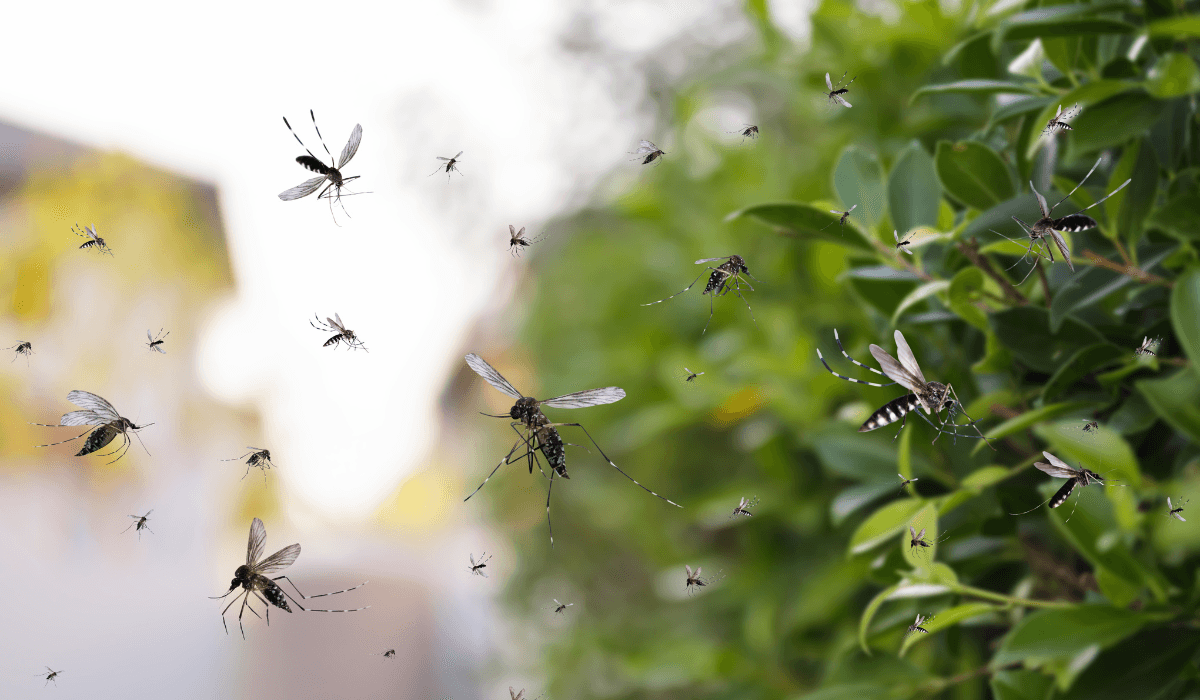
Malaria is indeed a significant health risk in Livingstone, Zambia, particularly during the rainy season when the mosquito population tends to surge. The region's subtropical climate and proximity to water bodies create an environment conducive to mosquito breeding. As a result, the risk of malaria transmission is relatively high. To mitigate this risk, various preventive measures are in place, including the distribution of insecticide-treated bed nets and indoor residual spraying.
Prevalence of Malaria in Livingstone, Zambia
The prevalence of malaria in Livingstone, Zambia is a concern due to the area's geographical characteristics. The town is situated near the Zambezi River, which provides a habitat for mosquitoes that can carry the malaria parasite. Studies have shown that the malaria transmission rate is significant in this region. The local health authorities have implemented various measures to control the spread of the disease, including surveillance and vector control.
| Year | Malaria Cases Reported | Prevention Measures Implemented |
| 2020 | 10,000 | Distribution of 50,000 insecticide-treated bed nets |
| 2021 | 8,000 | Indoor residual spraying in high-risk areas |
| 2022 | 7,500 | Enhanced surveillance and larval control measures |
Preventive Measures Against Malaria
To combat malaria, the health authorities in Livingstone, Zambia have put in place several preventive measures. These include the use of insecticide-treated bed nets, which have been shown to be highly effective in reducing the risk of malaria transmission. Additionally, indoor residual spraying is conducted regularly to control the mosquito population. The local government also promotes public awareness campaigns to educate the population on the risks of malaria and the importance of using preventive measures.
| Prevention Method | Effectiveness | Coverage |
|---|---|---|
| Insecticide-treated bed nets | Highly effective | 80% of households |
| Indoor residual spraying | Effective | 90% of targeted areas |
| Public awareness campaigns | Moderately effective | 70% of the population |
Challenges in Controlling Malaria
Despite the efforts to control malaria in Livingstone, Zambia, several challenges persist. These include the development of mosquito resistance to insecticides, which can reduce the effectiveness of preventive measures. Additionally, the lack of adequate healthcare infrastructure in some areas can hinder the timely diagnosis and treatment of malaria cases. Addressing these challenges will be crucial to achieving long-term control of the disease.
| Challenge | Impact | Potential Solution |
|---|---|---|
| Mosquito resistance to insecticides | Reduced effectiveness of prevention measures | Rotation of insecticides and use of alternative methods |
| Limited healthcare infrastructure | Delayed diagnosis and treatment | Investment in healthcare infrastructure and training of healthcare workers |
| Lack of public awareness | Low adherence to prevention measures | Enhanced public awareness campaigns and community engagement |
What are the main attractions and experiences that make Livingstone, Zambia a worthwhile destination to visit?
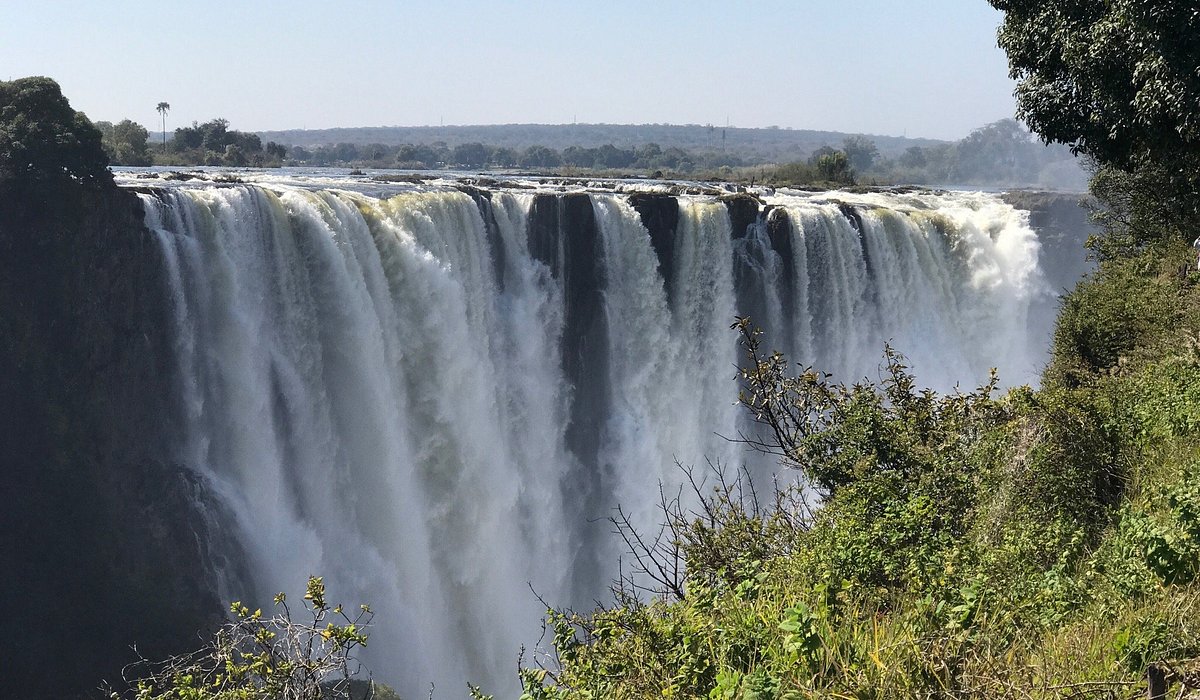
Livingstone, Zambia is a worthwhile destination to visit due to its diverse range of attractions and experiences that cater to different interests. The town is situated near the majestic Victoria Falls, one of the world's largest waterfalls, and offers a variety of activities and excursions that allow visitors to explore the surrounding natural beauty and rich cultural heritage. The main attractions include wildlife viewing, outdoor adventures, and cultural experiences that showcase the unique characteristics of the region.
Exploring Victoria Falls
The Victoria Falls is a major draw for tourists visiting Livingstone, Zambia, and offers a range of experiences, including white-water rafting, bungee jumping, and helicopter tours. Visitors can take a guided tour to explore the falls and gain insight into the local ecosystem and geology. The falls are a breathtaking spectacle, with the Zambezi River plunging over 100 meters into the gorge below, creating a mist that can be seen from miles away.
| Activity | Description | Duration |
| White-water Rafting | Navigate the rapids of the Zambezi River | Half-day |
| Bungee Jumping | Leap off the Victoria Falls Bridge | 1 hour |
| Helicopter Tour | Take a scenic flight over Victoria Falls | 1 hour |
Wildlife and Safari Experiences
Livingstone, Zambia is surrounded by national parks and game reserves, offering opportunities for wildlife viewing and safari adventures. Visitors can take a guided tour to explore the local flora and fauna, including elephants, lions, and giraffes. The Mosi-oa-Tunya National Park is a nearby attraction that is home to a diverse range of wildlife.
| Park/Reserve | Wildlife | Tour Type |
| Mosi-oa-Tunya National Park | Elephants, Lions, Giraffes | Guided Safari |
| Victoria Falls Safari Lodge | Antelope, Zebras, Hyenas | Game Drive |
| Sunset Cruise | Hippos, Crocodiles, Birds | Boat Cruise |
Cultural Experiences
Livingstone, Zambia is rich in cultural heritage, with a blend of traditional and modern influences. Visitors can experience the local culture by visiting the Livingstone Museum, which showcases the history and traditions of the region. Additionally, tourists can participate in a traditional Zambian cooking class or visit a local village to learn about the customs and way of life of the local people. The town's cultural experiences are a great way to learn about the history and traditions of Livingstone, Zambia.
| Experience | Description | Duration |
| Livingstone Museum | Explore the history and culture of the region | 2 hours |
| Traditional Cooking Class | Learn to prepare local dishes | 3 hours |
| Village Tour | Visit a local village and interact with the community | Half-day |
FAQ
What is Livingstone Zambia known for?
Livingstone, Zambia is known for being a major tourist destination due to its proximity to the Victoria Falls, one of the world's largest waterfalls and a UNESCO World Heritage Site. The town offers a range of activities including white-water rafting, bungee jumping, and safari tours.
What is the history of Livingstone Zambia?
Livingstone, Zambia has a rich colonial history and was once the capital of Northern Rhodesia. The town was named after David Livingstone, a Scottish missionary and explorer who was the first European to see the Victoria Falls. The town's history is reflected in its architectural landmarks and museums.
What are the main attractions in Livingstone Zambia?
The main attractions in Livingstone, Zambia include the Victoria Falls, Mosi-oa-Tunya National Park, and the Livingstone Museum. Visitors can also enjoy adventure activities such as helicopter tours, paragliding, and zip lining. The town's cultural attractions include traditional craft markets and local cuisine.
What is the best time to visit Livingstone Zambia?
The best time to visit Livingstone, Zambia is during the dry season, which typically runs from May to October. During this time, the weather is mild and dry, making it ideal for outdoor activities such as game viewing and adventure sports. The flood levels of the Zambezi River also make it suitable for white-water rafting during this period.