
1 year ago · Updated 1 year ago
The map of Zambia with rivers is a vital tool for understanding the country's geography and hydrology. Zambia is a landlocked country located in southern Africa, with a diverse landscape that includes numerous rivers, lakes, and wetlands. The country's rivers play a crucial role in supporting its ecosystems, agriculture, and economy. This article will explore the significance of the map of Zambia with rivers, highlighting its major waterways, and discussing their importance for the environment, human settlement, and economic development. Accurate mapping is essential for resource management.

- Understanding the Geography of Zambia through its Map with Rivers
- Comprehensive Guide to Understanding the Map of Zambia with Rivers
-
FAQ
- What are the major rivers shown on a map of Zambia with rivers?
- How do the rivers on a map of Zambia with rivers impact the local ecosystem?
- Can a map of Zambia with rivers help in understanding the country's water resources?
- Are there any notable tourist attractions associated with the rivers on a map of Zambia with rivers?
Understanding the Geography of Zambia through its Map with Rivers
Zambia, a country located in southern Africa, is characterized by its diverse geography, which includes vast plains, mountains, and numerous rivers. A map of Zambia with rivers is essential for understanding the country's layout and the significance of its water bodies. Zambia is landlocked, bordered by several countries including Angola, Democratic Republic of the Congo, Tanzania, Malawi, Mozambique, Zimbabwe, Botswana, and Namibia.
Major Rivers in Zambia
Zambia is home to several major rivers that play a crucial role in its ecosystem and economy. The most notable rivers include the Zambezi River, which is one of the largest rivers in Africa and forms the country's southern border. Other significant rivers are the Kafue River and the Luangwa River, both of which are tributaries of the Zambezi River. These rivers support a wide range of wildlife and are vital for the country's agriculture and hydroelectric power generation.
Importance of Rivers in Zambia's Economy
The rivers in Zambia are not only important for the environment but also contribute significantly to the country's economy. The Zambezi River, for example, is a major source of hydroelectric power, with the Kariba Dam and the Cafue Gorge Dam being two of the largest hydroelectric dams in the region. The rivers also support fishing industries and tourism, with many safari and eco-tourism activities centered around the river basins.
Map of Zambia with Rivers: Key Features
A detailed map of Zambia with rivers highlights the country's geographical features, including its major rivers, lakes, and national parks. The map shows how the rivers flow through the country and into neighboring countries, emphasizing their importance for regional ecosystems. It also indicates areas of high conservation value and those that are prone to flooding.
Conservation Efforts
Efforts to conserve Zambia's rivers and their surrounding ecosystems are ongoing. National parks and game management areas have been established to protect the wildlife and habitats along the rivers. These conservation efforts not only help in preserving biodiversity but also support sustainable tourism, which is a significant sector in Zambia's economy.
Challenges Facing Zambia's Rivers
Despite their importance, Zambia's rivers face several challenges, including pollution, overfishing, and the impacts of climate change. These challenges threaten the sustainability of the rivers and the ecosystems they support. Addressing these issues requires coordinated efforts from government agencies, local communities, and international organizations to ensure the long-term health of Zambia's river systems.
| River Name | Length (km) | Significance |
|---|---|---|
| Zambezi River | 2,600 | Major source of hydroelectric power and supports diverse wildlife |
| Kafue River | 1,577 | Tributary of the Zambezi River, supports hydroelectric power generation |
| Luangwa River | 770 | Tributary of the Zambezi River, known for its wildlife and conservation areas |
Comprehensive Guide to Understanding the Map of Zambia with Rivers
What are the major rivers shown on a map of Zambia with rivers?
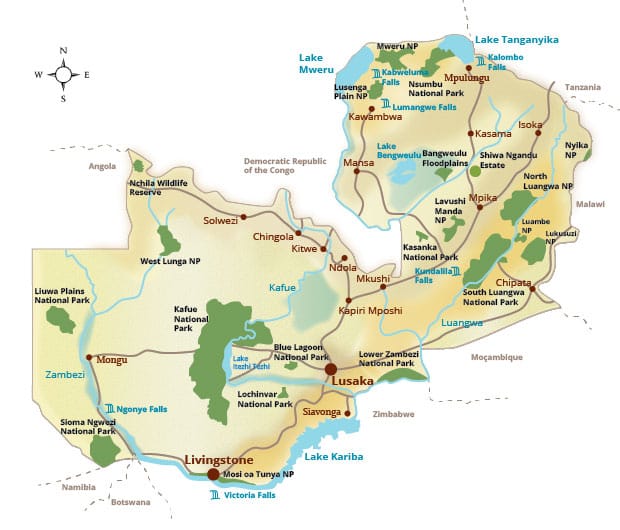
The major rivers shown on a map of Zambia with rivers are primarily part of the Zambezi River basin, which is one of the largest river basins in Africa. The Zambezi River itself is the fourth-largest river in Africa and flows through Zambia, forming part of its southern border with Zimbabwe. Other significant rivers include the Kafue River, which is a major tributary of the Zambezi, and the Luangwa River, another significant tributary that flows into the Zambezi.
Major River Basins
The major river basins in Zambia are crucial for the country's ecosystem and economy. The Zambezi River Basin is the most significant, covering a substantial part of the country. It supports a wide range of biodiversity and is vital for hydroelectric power generation, with notable dams like the Kariba Dam and the Kafue Gorge Dam. A detailed examination of a map of Zambia with rivers highlights the importance of these basins.
| River Basin | Main Rivers | Significance |
|---|---|---|
| Zambezi River Basin | Zambezi, Kafue, Luangwa | Hydroelectric power, biodiversity |
| Congo River Basin | Chambeshi, Luapula | Fisheries, aquatic ecosystems |
Rivers and Economic Activities
Rivers in Zambia play a pivotal role in the country's economy, supporting various activities such as fishing, hydroelectric power generation, and tourism. The Kafue River, for instance, is not only a significant source of hydroelectric power but also supports commercial fishing. The Luangwa River is renowned for its wildlife and is a popular destination for safari tourism. The map of Zambia with rivers illustrates the distribution and significance of these water bodies in relation to economic activities.
| River | Economic Activity | Importance |
|---|---|---|
| Kafue River | Hydroelectric power, fishing | Energy generation, food source |
| Luangwa River | Tourism, fishing | Foreign exchange, local livelihoods |
Environmental Considerations
The rivers shown on a map of Zambia with rivers are also critical from an environmental perspective. They support a rich variety of flora and fauna and are essential for maintaining ecological balance. However, these rivers face threats from pollution, overfishing, and the impacts of climate change. Conservation efforts are necessary to protect these water resources and the ecosystems they support.
| Environmental Issue | Impact | Conservation Measure |
|---|---|---|
| Pollution | Water quality degradation | Waste management, regulation enforcement |
| Overfishing | Depletion of fish stocks | Fishing quotas, protected areas |
How detailed are tourist maps of Zambia that include rivers?
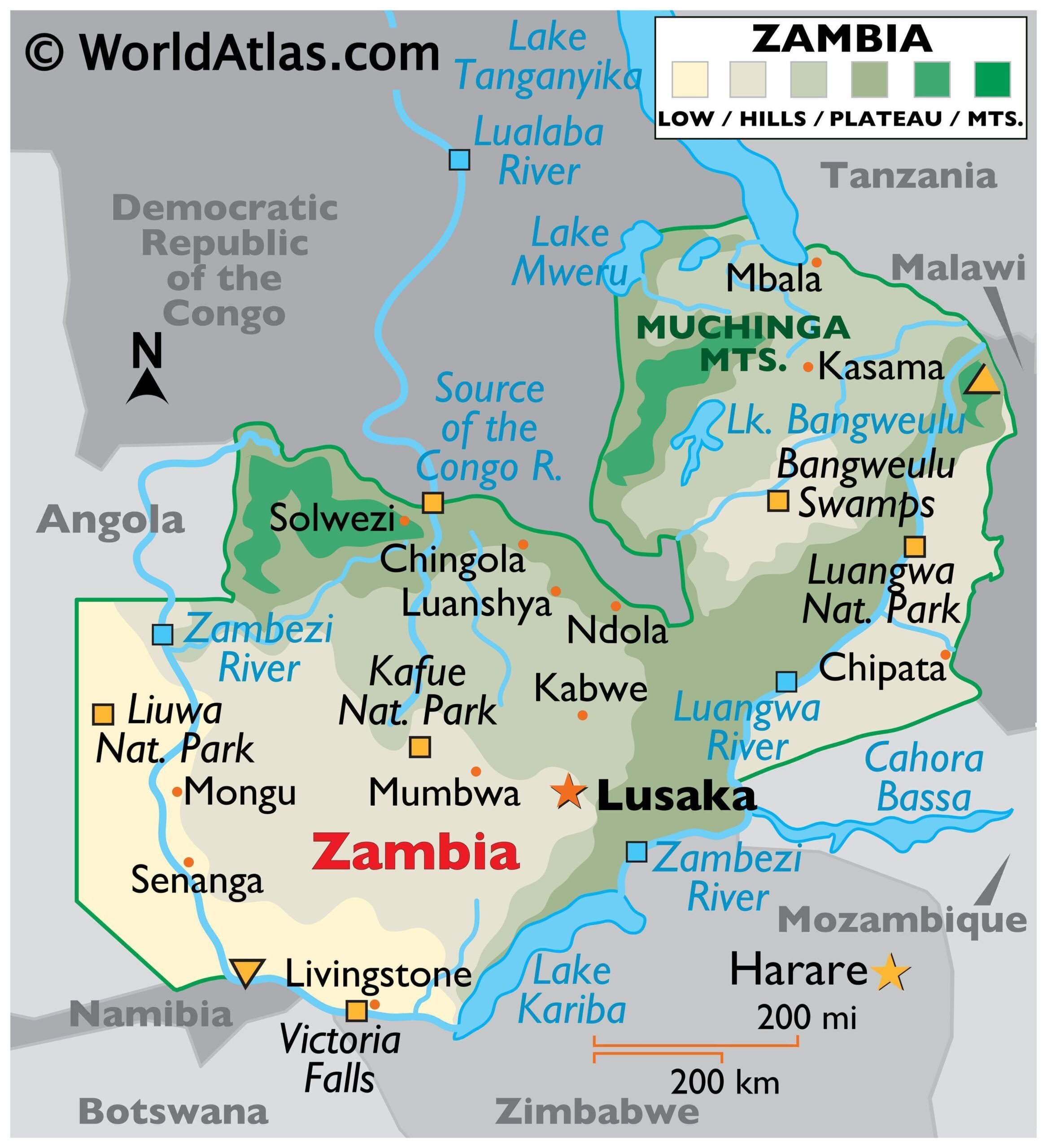
The level of detail on tourist maps of Zambia that include rivers varies significantly depending on the source and purpose of the map. Generally, a map of Zambia with rivers can range from a basic representation of major water bodies to a comprehensive illustration including smaller streams and tributaries. Tourist maps often focus on highlighting attractions and may include major rivers like the Zambezi River and Lake Tanganyika, but the level of detail concerning smaller rivers and streams can be limited.
River Representation on Tourist Maps
Tourist maps of Zambia typically prioritize the representation of major geographical features that are relevant to travelers, such as national parks, game reserves, and significant water bodies. A detailed map will include not just the major rivers but also smaller watercourses, providing a comprehensive view of Zambia's hydrological network. For instance, a detailed map of Zambia with rivers might show the Kafue River and its tributaries, which are crucial for understanding the country's ecosystem and planning activities like fishing or safaris.
| Map Type | River Detail Level | Scale |
|---|---|---|
| Basic Tourist Map | Major rivers only | 1:1,000,000 |
| Detailed Tourist Map | Includes major and minor rivers | 1:500,000 |
| Specialized Hydrological Map | Comprehensive, including streams and tributaries | 1:250,000 |
Importance of River Detail for Tourists
For tourists, having a detailed understanding of Zambia's river network can be crucial for planning activities such as white-water rafting on the Zambezi River or fishing in Lake Tanganyika. A map that includes detailed river information can help tourists identify less crowded areas and plan their itineraries more effectively. The inclusion of smaller rivers and streams on a map of Zambia with rivers can also aid in understanding the broader ecological context of the areas they plan to visit.
| Activity | Relevance of River Detail | Preferred Map Scale |
|---|---|---|
| Safari | Moderate | 1:500,000 |
| Fishing | High | 1:250,000 |
| White-water Rafting | Very High | 1:100,000 |
Sources for Detailed Maps
Detailed maps of Zambia that include rivers can be sourced from various organizations, including governmental mapping agencies, tourist information centers, and private cartography companies. These sources may offer maps in different formats, from physical prints to digital downloads. For a map of Zambia with rivers that is both detailed and up-to-date, tourists may need to consult multiple sources or opt for specialized maps designed for specific activities.
| Source | Map Detail Level | Format |
|---|---|---|
| Governmental Mapping Agency | High | Physical and Digital |
| Tourist Information Center | Moderate | Physical |
| Private Cartography Company | Very High | Digital |
Are swamps and wetlands represented on a standard map of Zambia with rivers?
Standard maps of Zambia typically depict the country's major geographical features, including rivers, lakes, and sometimes wetlands. However, the representation of swamps and wetlands can vary significantly depending on the map's scale, purpose, and the cartographic standards employed. A detailed topographic or thematic map focusing on hydrological features is more likely to include swamps and wetlands alongside rivers. The inclusion of these features is crucial for understanding Zambia's diverse ecosystems and water resources, as areas like the Bangweulu Wetlands and the Kafue Flats are not only significant for biodiversity but also play a vital role in the country's ecological and agricultural productivity.
Representation on Maps
The representation of swamps and wetlands on a map of Zambia with rivers is contingent upon the map's intended use and its scale. For instance, a map designed for general navigation or educational purposes might only highlight major rivers and lakes, potentially omitting smaller wetlands. In contrast, a map focused on environmental or ecological studies is likely to include detailed representations of swamps and wetlands. These areas are often demarcated using specific symbols or shading to differentiate them from other water bodies or land uses.
| Feature | Representation on Map | Importance |
|---|---|---|
| Rivers | Clearly marked with a continuous line | Water Source, Transportation |
| Swamps/Wetlands | Often represented with specific symbols or shading | Biodiversity, Water Filtration |
| Lakes | Depicted as large water bodies | Fisheries, Ecosystem Services |
Importance of Accurate Mapping
Accurately mapping swamps and wetlands on a map of Zambia with rivers is essential for various stakeholders, including environmentalists, policymakers, and researchers. These ecosystems provide crucial services such as water filtration, habitat for diverse wildlife, and support for agriculture through floodplain management. The precise delineation of these areas helps in planning conservation efforts and managing water resources sustainably.
| Ecosystem Service | Description | Benefit |
|---|---|---|
| Water Filtration | Wetlands filter out sediments and pollutants | Improves Water Quality |
| Biodiversity Support | Provides habitat for a wide range of species | Enhances Ecosystem Resilience |
| Flood Control | Wetlands can mitigate the impact of floods | Protects Agricultural Lands and Infrastructure |
Cartographic Considerations
Cartographers face several challenges when representing swamps and wetlands on a map of Zambia with rivers, including the scale of representation and the choice of symbols. The dynamic nature of these ecosystems, which can change with seasons or due to human activities, further complicates their depiction. Effective cartography requires a balance between detail and clarity, ensuring that the map remains readable while still conveying the significance of these areas.
| Cartographic Element | Consideration | Impact |
|---|---|---|
| Scale | Affects the level of detail that can be shown | Influences the visibility of smaller wetlands |
| Symbolism | Choice of symbols for different features | Affects the map's readability and interpretability |
| Data Accuracy | Up-to-dateness and precision of the data | Impacts the map's usefulness for Planning and Management |
FAQ
What are the major rivers shown on a map of Zambia with rivers?
A map of Zambia with rivers highlights several significant water bodies, including the Zambezi River, which is one of the major rivers in Southern Africa. Other notable rivers include the Kafue River and the Luangwa River, both of which are tributaries of the Zambezi River and play crucial roles in Zambia's ecosystem and economy.
How do the rivers on a map of Zambia with rivers impact the local ecosystem?
The rivers shown on a map of Zambia with rivers, such as the Zambezi and Kafue, support a rich biodiversity and are vital for the local ecosystem. These rivers and their surrounding wetlands provide habitats for a wide variety of wildlife, including numerous species of fish, birds, and other aquatic animals, thereby maintaining ecological balance.
Can a map of Zambia with rivers help in understanding the country's water resources?
Yes, a map of Zambia with rivers is a valuable tool for understanding the country's water resources. By illustrating the locations and courses of major rivers like the Zambezi and Luapula, such a map aids in assessing water availability, planning water management projects, and identifying potential areas for hydropower generation.
Are there any notable tourist attractions associated with the rivers on a map of Zambia with rivers?
The rivers on a map of Zambia with rivers are associated with several notable tourist attractions. For example, the Victoria Falls, located on the Zambezi River, is one of Zambia's most famous tourist destinations, offering safari experiences, white-water rafting, and other adventure activities that capitalize on the natural beauty and power of the river.