

7 months ago · Updated 7 months ago
Zambia, a country located in southern Africa, is divided into several administrative regions known as . These provinces play a crucial role in the country's governance and administration, serving as the primary subdivisions for various governmental and developmental purposes. The are further subdivided into districts, which are then divided into constituencies and wards. Understanding the administrative divisions of Zambia is essential for grasping the country's geographical, economic, and cultural landscape. The organization and management of have significant implications for the delivery of public services and the implementation of national policies.

- Administrative Divisions of Zambia Provinces
-
Understanding Zambia Provinces: A Comprehensive Guide
- What are the names of all 10 provinces that make up Zambia's administrative divisions?
- Which province in Zambia has the highest economic output or GDP per capita?
- How does Zambia's overall economic status compare in terms of global wealth rankings?
- What is the most visited or tourist-attractive province in Zambia, based on available tourism data?
- FAQ
Administrative Divisions of Zambia Provinces
Zambia is divided into ten provinces, which are the primary administrative divisions of the country. These 'zambia provinces' play a crucial role in the governance and administration of Zambia, with each province having its own capital and administrative structure. The provinces are further divided into districts, which are then subdivided into constituencies and wards.
Provincial Administration
The administration of 'zambia provinces' is headed by a Provincial Minister, who is appointed by the President of Zambia. The Provincial Minister is responsible for the overall administration of the province, including the coordination of government ministries and departments. The provincial administration is also responsible for the delivery of public services, such as healthcare and education.
Geographical Distribution
The ten 'zambia provinces' are distributed across the country, with some provinces covering large geographical areas. The provinces are: Central, Copperbelt, Eastern, Luapula, Lusaka, Muchinga, Northern, North-Western, Southern, and Western. Each province has its unique geographical features, such as rivers, mountains, and forests, which support various economic activities, including agriculture and tourism.
Economic Significance
The 'zambia provinces' are significant contributors to the country's economy, with different provinces specializing in various economic activities. For example, the Copperbelt Province is known for its rich copper deposits, while the Eastern Province is a major producer of agricultural products, such as maize and soya beans. The provinces also have significant potential for tourism, with many national parks and game management areas.
Challenges Facing Zambia Provinces
Despite their importance, the 'zambia provinces' face several challenges, including inadequate infrastructure, such as roads and telecommunications. Many rural areas in the provinces lack access to basic services, such as healthcare and education, which hinders economic development and poverty reduction. The provinces also face environmental challenges, such as deforestation and climate change, which affect agricultural productivity and livelihoods.
Development Initiatives
To address these challenges, the government of Zambia has implemented various development initiatives aimed at improving the lives of people living in the 'zambia provinces'. These initiatives include investments in infrastructure, such as roads and energy, as well as programs aimed at promoting economic diversification and improving public service delivery.
| Province | Capital | Population (2020) |
|---|---|---|
| Central | Kabwe | 1,743,999 |
| Copperbelt | Ndola | 2,542,127 |
| Eastern | Chipata | 1,592,661 |
| Luapula | Mansa | 1,027,894 |
| Lusaka | Lusaka | 3,079,964 |
| Muchinga | Chinsali | 895,058 |
| Northern | Kasama | 1,304,928 |
| North-Western | Solwezi | 833,818 |
| Southern | Livingstone | 1,853,464 |
| Western | Mongu | 991,500 |
Understanding Zambia Provinces: A Comprehensive Guide
What are the names of all 10 provinces that make up Zambia's administrative divisions?
Zambia is divided into 10 provinces, which are the primary administrative divisions. The names of these provinces are: Central, Copperbelt, Eastern, Luapula, Lusaka, Muchinga, Northern, North-Western, Southern, and Western. These provinces are further divided into districts, which are then subdivided into constituencies and wards.
Administrative Divisions of Zambia
The administrative divisions of Zambia are designed to facilitate effective governance and service delivery. The 10 provinces that make up Zambia's administrative divisions are crucial in implementing national policies and programs at the local level. The provinces are headed by ministers appointed by the president, who oversee the overall administration of their respective regions. Understanding the administrative divisions is essential for navigating the complexities of Zambia's governance structure, particularly when examining the role of Zambia provinces in national development.
| Province | Capital |
|---|---|
| Central | Kabwe |
| Copperbelt | Ndola |
| Eastern | Chipata |
| Luapula | Mansa |
| Lusaka | Lusaka |
| Muchinga | Chinsali |
| Northern | Kasama |
| North-Western | Solwezi |
| Southern | Livingstone |
| Western | Mongu |
Geographical Characteristics of Zambia Provinces
The geographical characteristics of Zambia's provinces vary significantly, with some regions being predominantly rural, while others are more urbanized. The provinces are characterized by diverse landscapes, including savannas, forests, and rivers. The geographical features of each province play a crucial role in determining the local economy, with agriculture being a significant sector in many regions. The provinces' geographical characteristics also influence the distribution of natural resources, with some areas being rich in minerals and others having significant wildlife populations.
| Province | Area (km²) | Population (2020 est.) |
|---|---|---|
| Central | 94,394 | 1,743,999 |
| Copperbelt | 31,328 | 2,542,989 |
| Eastern | 69,106 | 2,454,788 |
| Luapula | 50,567 | 1,214,808 |
| Lusaka | 21,896 | 3,079,964 |
| Muchinga | 87,806 | 895,059 |
| Northern | 77,650 | 1,615,662 |
| North-Western | 125,826 | 833,818 |
| Southern | 85,823 | 2,144,510 |
| Western | 126,386 | 991,500 |
Economic Significance of Zambia Provinces
The economic significance of Zambia's provinces is closely tied to their natural resources and geographical characteristics. The mining industry is a significant contributor to the national economy, with the Copperbelt province being a major hub for copper mining. Other provinces, such as the Eastern and Southern provinces, have significant agricultural potential, with maize and tobacco being major crops. The provinces' economic activities are crucial in driving national economic growth and development, highlighting the importance of effective governance and management of Zambia's provinces.
| Province | Main Economic Activity |
|---|---|
| Central | Agriculture, Mining |
| Copperbelt | Mining |
| Eastern | Agriculture |
| Luapula | Fishing, Agriculture |
| Lusaka | Commerce, Industry |
| Muchinga | Agriculture |
| Northern | Agriculture, Mining |
| North-Western | Mining, Agriculture |
| Southern | Agriculture, Tourism |
| Western | Agriculture, Livestock |
Which province in Zambia has the highest economic output or GDP per capita?

The province in Zambia with the highest economic output or GDP per capita is Lusaka Province. The Lusaka Province is the most economically developed region in Zambia, driven by its strong service sector, including finance, trade, and tourism. The province is home to the capital city, Lusaka, which is the country's main commercial and administrative center. The economic activities in Lusaka Province are diverse, with a significant contribution from the informal sector, including street vendors and small-scale traders.
Economic Drivers
The economic drivers of Lusaka Province are multifaceted. The province benefits from its strategic location, with good transportation links to neighboring countries, making it a key hub for regional trade. The presence of major financial institutions, including the Bank of Zambia and several commercial banks, also contributes to the province's economic output. Furthermore, the agricultural sector plays a significant role, with the province producing a range of crops, including maize, vegetables, and fruits, for both domestic consumption and export. The following table provides a breakdown of the GDP per capita for the different zambia provinces:
| Province | GDP Per Capita (ZMW) |
|---|---|
| Lusaka | 63,371 |
| Copperbelt | 43,819 |
| Central | 24,911 |
| Southern | 23,481 |
| Northern | 20,369 |
Comparison with Other Provinces
When comparing the economic output of Lusaka Province with other zambia provinces, it is clear that Lusaka stands out. The Copperbelt Province, which is another economically significant region, has a GDP per capita that is substantially lower than that of Lusaka. The main drivers of economic activity in Copperbelt Province are mining and manufacturing. The following table highlights the differences in GDP per capita between Lusaka and other major provinces in Zambia:
| Province | Main Economic Activities | GDP Per Capita (ZMW) |
|---|---|---|
| Lusaka | Services, Trade, Tourism | 63,371 |
| Copperbelt | Mining, Manufacturing | 43,819 |
| Central | Agriculture, Mining | 24,911 |
Future Economic Prospects
The future economic prospects for Lusaka Province remain positive, driven by ongoing investments in infrastructure and the service sector. The province is expected to continue to be a major driver of Zambia's economic growth. Efforts to diversify the economy and promote private sector development are also likely to contribute to the province's economic output. The following table outlines the projected GDP growth rates for Lusaka Province and other zambia provinces:
| Province | Projected GDP Growth Rate (%) |
|---|---|
| Lusaka | 5.5 |
| Copperbelt | 4.2 |
| Central | 4.5 |
| Southern | 4.8 |
How does Zambia's overall economic status compare in terms of global wealth rankings?
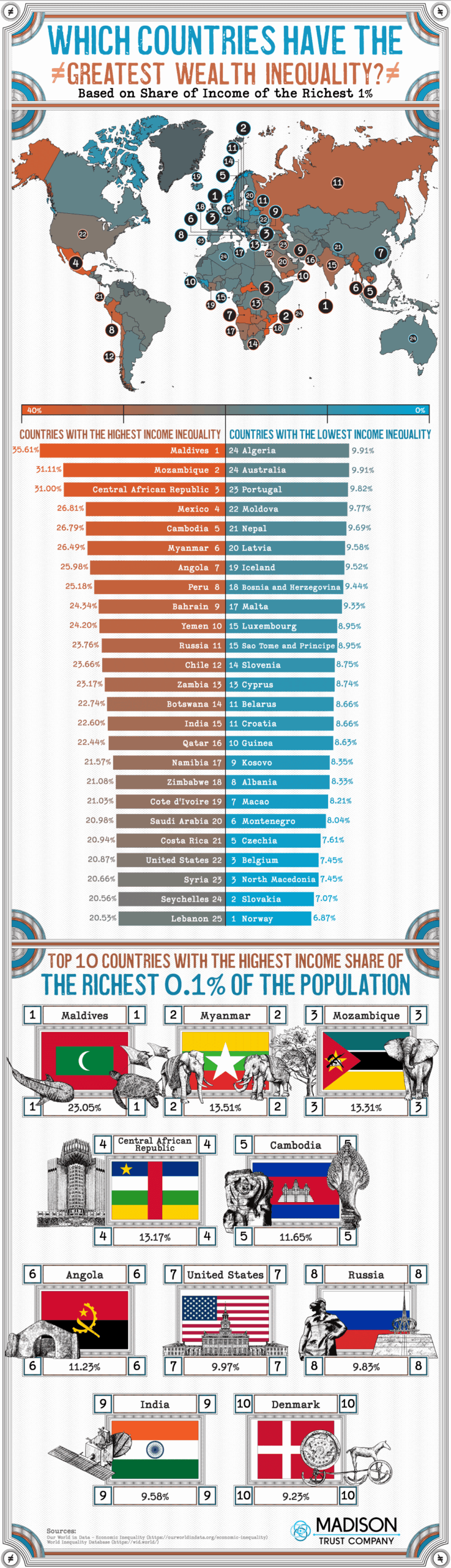
Zambia's overall economic status is characterized by a mix of challenges and opportunities. In terms of global wealth rankings, Zambia is considered a lower-middle-income country. The country's economy is heavily reliant on the mining industry, particularly copper, which is a significant contributor to its GDP. However, the economy faces challenges such as high levels of poverty and inequality, with many Zambians living in rural areas and relying on subsistence agriculture. The economic status of Zambia varies across its different regions, with some areas experiencing more growth and development than others, particularly in the provinces surrounding major cities and mining areas, known as zambia provinces.
Economic Indicators
Zambia's economic indicators show a mixed picture, with the country experiencing periods of growth and decline. The country's GDP growth rate has been volatile, influenced by fluctuations in global copper prices and changes in government policies. GDP per capita is a key indicator that reflects the average standard of living in Zambia, which remains relatively low compared to global standards. Despite efforts to diversify the economy, copper remains a dominant sector, and the country's economic performance is closely tied to the global demand for this commodity.
| Indicator | Value | Year |
| GDP (nominal) | $23 billion | 2021 |
| GDP per capita | $1,230 | 2021 |
| GDP growth rate | 4.3% | 2021 |
Global Wealth Rankings
In global wealth rankings, Zambia is positioned among the lower-middle-income countries. The country's economic performance is often compared to other countries in the region and globally. Global competitiveness is an important factor that influences Zambia's position in these rankings. The country's business environment, infrastructure, and institutional framework are key determinants of its competitiveness. Zambia has been working to improve its business environment and attract foreign investment, particularly in the mining and tourism sectors, across its diverse zambia provinces.
| Country | GDP per capita (2021) | Global Ranking |
|---|---|---|
| Zambia | $1,230 | 164 |
| South Africa | $6,460 | 88 |
| Botswana | $7,350 | 81 |
Poverty and Inequality
Poverty and inequality remain significant challenges in Zambia, with a substantial proportion of the population living below the poverty line. The country's poverty rate is high, particularly in rural areas where access to basic services and economic opportunities is limited. Efforts to reduce poverty and inequality have been ongoing, with a focus on promoting economic growth, improving social services, and implementing social protection programs across the different regions, including the zambia provinces.
| Poverty Indicator | Percentage | Year |
| Poverty headcount ratio at national poverty line | 54.4% | 2020 |
| Poverty headcount ratio at $1.90 a day (2011 PPP) | 57.5% | 2020 |
| Gini index | 0.57 | 2020 |
What is the most visited or tourist-attractive province in Zambia, based on available tourism data?

The most visited or tourist-attractive province in Zambia is the Southern Province, based on available tourism data. This region is known for its diverse wildlife and natural attractions, including the famous Victoria Falls, one of the Seven Natural Wonders of the World, and numerous national parks and game reserves that offer a wide range of tourism activities.
Tourist Attractions in Southern Province
The Southern Province is home to a variety of tourist attractions that draw visitors from around the world. The province boasts several national parks, including the Liuwa Plain National Park and the Kafue National Park, which are known for their rich biodiversity and wildlife viewing opportunities. Visitors to the region can enjoy a range of activities, including game drives, walking safaris, and birdwatching. The province's diverse landscape, which includes forests, grasslands, and wetlands, supports a wide range of flora and fauna, making it an attractive destination for nature lovers and adventure seekers.
| National Park | Location | Main Attractions |
| Liuwa Plain National Park | Western Zambia, near the border with Angola | Large herds of wildebeest, zebras, and other antelopes |
| Kafue National Park | Central-western Zambia | Diverse wildlife, including lions, leopards, and elephants |
Tourism Infrastructure in Zambia Provinces
The tourism infrastructure in the Southern Province is relatively well-developed, with a range of accommodation options available to suit different budgets and preferences. Visitors to the region can choose from luxury lodges and safari camps to more budget-friendly options, such as guesthouses and self-catering accommodations. The province is also served by several tour operators that offer guided tours and other tourism services, making it easier for visitors to plan and enjoy their trip. The development of tourism infrastructure in various zambia provinces has contributed to the growth of the tourism sector, creating jobs and generating income for local communities.
| Accommodation Type | Location | Amenities |
|---|---|---|
| Luxury Lodges | Within national parks or near major tourist attractions | Fine dining, swimming pools, guided tours |
| Safari Camps | National parks and game reserves | Guided game drives, walking safaris, bush dinners |
| Guesthouses | Towns and cities, near tourist attractions | Basic amenities, comfortable rooms, local cuisine |
Conservation Efforts in Southern Province
The Southern Province is also a hub for conservation efforts in Zambia, with several initiatives aimed at protecting the region's natural resources and promoting sustainable tourism practices. Anti-poaching efforts are a key focus of conservation work in the province, with organizations working to protect endangered species, such as rhinos and elephants, from poaching. Visitors to the region can support conservation efforts by participating in eco-tourism activities and choosing tour operators that follow sustainable tourism practices. The conservation of natural resources in zambia provinces is crucial for maintaining the country's rich biodiversity and ensuring the long-term sustainability of the tourism sector.
| Conservation Initiative | Location | Objectives |
|---|---|---|
| Anti-Poaching Unit | National parks and game reserves | Protect endangered species from poaching |
| Community-Based Conservation | Rural areas surrounding national parks | Promote coexistence with wildlife, support local livelihoods |
| Eco-Tourism Initiatives | National parks, game reserves, and surrounding areas | Support conservation through responsible tourism practices |
FAQ
What are the provinces of Zambia?
Zambia is divided into 10 provinces, which are further divided into districts. The provinces are: Central, Copperbelt, Eastern, Luapula, Lusaka, Muchinga, Northern, North-Western, Southern, and Western. Each province has its own administrative capital and is responsible for delivering various government services.
What is the largest province in Zambia by land area?
The largest province in Zambia by land area is the Western Province, which covers an area of approximately 126,386 square kilometers. This province is known for its vast plains and is home to several national parks and game management areas.
Which province is the most populous in Zambia?
The most populous province in Zambia is Lusaka Province, which is home to the capital city, Lusaka. The province has a high population density due to its status as the country's economic and administrative hub.
What are the main economic activities in Zambia's provinces?
The main economic activities in Zambia's provinces vary, but most provinces rely heavily on agriculture, mining, and tourism. The Copperbelt Province, for example, is known for its copper mining industry, while the Eastern Province is a major producer of agricultural products such as maize and soya beans.