
6 months ago · Updated 6 months ago
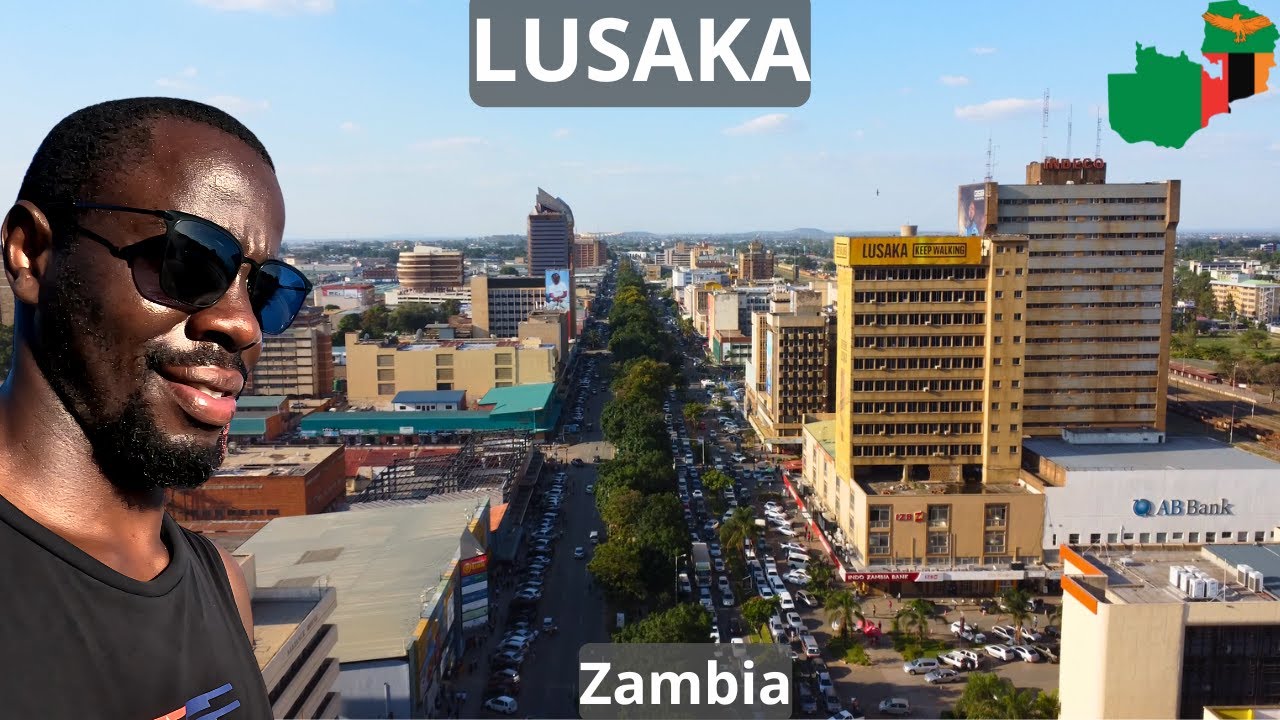
Lusaka, the capital city of Zambia, is a vibrant and rapidly growing metropolis that showcases the country's rich cultural heritage and economic potential. Located in the heart of southern Africa, Lusaka Zambia is a hub of commercial and industrial activity, with a diverse range of attractions and experiences on offer. From its bustling markets and historic landmarks to its modern infrastructure and natural surroundings, Lusaka is a city that seamlessly blends tradition and modernity, making it a fascinating destination for visitors and a key driver of Zambia's economic growth and development.

Exploring the Cultural Heritage of Lusaka Zambia
Lusaka Zambia is a city that seamlessly blends traditional and modern elements, offering a unique cultural experience for visitors. The city's cultural heritage is reflected in its vibrant markets, historic landmarks, and diverse cultural festivals. One of the most significant cultural attractions in Lusaka Zambia is the National Museum, which showcases the country's history, art, and culture. The museum features a collection of artifacts, including traditional crafts, musical instruments, and historical exhibits that highlight the country's rich cultural diversity.
The History of Lusaka Zambia
Lusaka Zambia has a rich and complex history that dates back to the early 20th century. The city was founded in 1905 by European settlers and was named after the local chief, Lusaka. Over time, the city grew and developed into a major commercial center, driven by the growth of the copper mining industry. Today, Lusaka Zambia is a thriving metropolis with a diverse economy and a strong cultural identity.
Tourist Attractions in Lusaka Zambia
Lusaka Zambia is a popular tourist destination, with a range of attractions that cater to different interests. Some of the top tourist attractions in the city include the Lusaka National Park, which offers game viewing and outdoor activities, and the Kabwata Cultural Village, which showcases traditional Zambian culture and crafts. Visitors can also explore the city's vibrant markets, such as the Lusaka City Market, which offers a wide range of local goods and souvenirs.
Economic Development in Lusaka Zambia
Lusaka Zambia is a major economic hub in the region, with a diverse economy that is driven by a range of industries, including mining, agriculture, and manufacturing. The city is also a major commercial center, with a range of businesses and financial institutions. The government's efforts to promote economic development and investment in Lusaka Zambia have led to significant growth and development in recent years.
Cultural Festivals in Lusaka Zambia
Lusaka Zambia is known for its vibrant cultural festivals, which celebrate the city's rich cultural heritage. One of the most popular festivals is the Lusaka Cultural Festival, which features traditional music, dance, and crafts. The festival is an opportunity for visitors to experience the city's cultural diversity and to learn about its rich cultural traditions.
Challenges Facing Lusaka Zambia
Despite its many strengths, Lusaka Zambia faces a range of challenges, including urbanization, poverty, and infrastructure development. The city's rapid growth has put pressure on its infrastructure and services, and there is a need for investment in areas such as transportation and housing. Addressing these challenges will be crucial to ensuring the city's continued growth and development.
| Attraction | Description | Location |
|---|---|---|
| Lusaka National Park | A wildlife sanctuary with game viewing and outdoor activities | Lusaka, Zambia |
| Kabwata Cultural Village | A showcase of traditional Zambian culture and crafts | Lusaka, Zambia |
| Lusaka City Market | A bustling marketplace with local goods and souvenirs | Lusaka, Zambia |
| National Museum | A museum showcasing Zambia's history, art, and culture | Lusaka, Zambia |
| Manda Hill Shopping Centre | A modern shopping mall with a range of retail and dining options | Lusaka, Zambia |
Exploring Lusaka Zambia: A Comprehensive Travel Guide
What are the top attractions and experiences that make Lusaka, Zambia a worthwhile destination to visit?
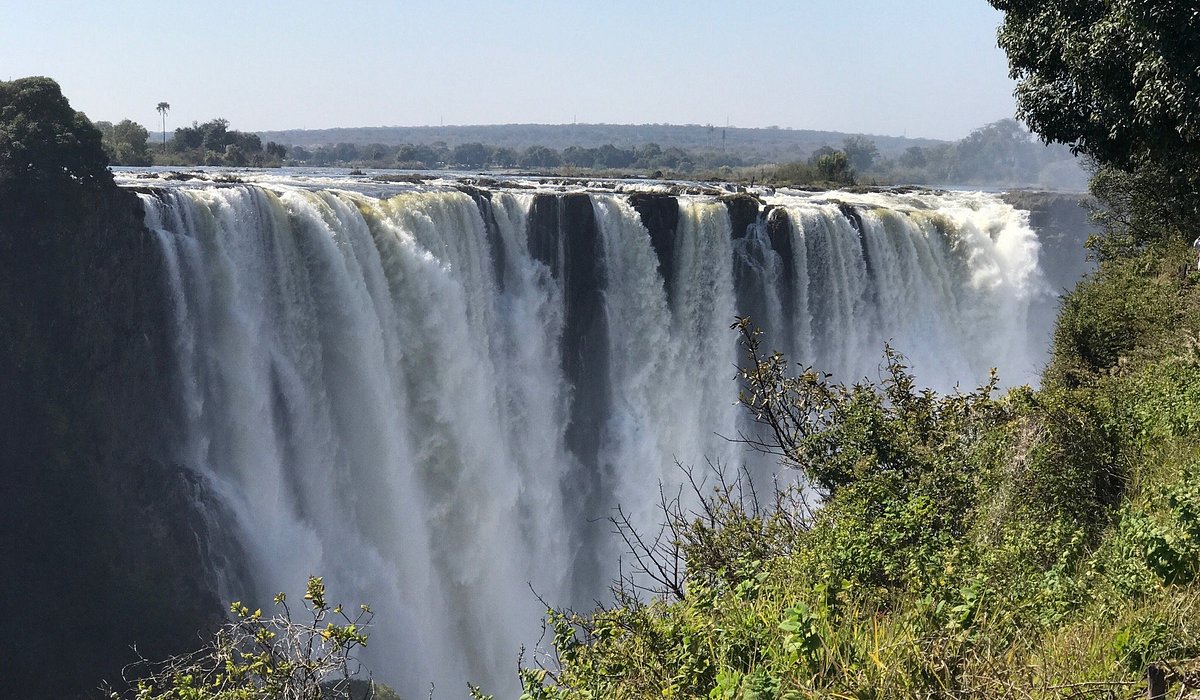
Lusaka, Zambia is a vibrant city that offers a mix of cultural, historical, and wildlife experiences that make it a worthwhile destination to visit. The city is home to numerous attractions, including museums, national parks, and markets, that showcase the country's rich heritage and natural beauty. Visitors to Lusaka can explore the city's cultural landmarks, such as the Lusaka National Museum, which features exhibits on the country's history and culture.
Wildlife Experiences
Lusaka is surrounded by wildlife sanctuaries and national parks that offer opportunities to see a variety of animals, including lions, elephants, and giraffes. The Lusaka National Park is a popular destination for tourists, with guided tours available to explore the park's diverse wildlife. Visitors can also explore the Munda Wanga Environmental Park, which is home to a variety of animals, including rhinos and cheetahs.
| Park Name | Location | Animals Found |
| Lusaka National Park | Lusaka, Zambia | Lions, Elephants, Giraffes |
| Munda Wanga Environmental Park | Lusaka, Zambia | Rhinos, Cheetahs, Zebras |
Cultural Attractions
The city is home to a number of cultural attractions, including museums, galleries, and markets. The Lusaka National Museum is a must-visit destination for anyone interested in learning about the history and culture of Zambia. The museum features exhibits on the country's prehistoric past, as well as its more recent history. Visitors can also explore the city's many markets, including the Lusaka City Market, which offers a wide range of local handicrafts and souvenirs.
| Attraction Name | Location | Description |
| Lusaka National Museum | Lusaka, Zambia | Exhibits on Zambia's history and culture |
| Lusaka City Market | Lusaka, Zambia | Local handicrafts and souvenirs |
Historical Landmarks
Lusaka is also home to a number of historical landmarks, including the Freedom Statue, which commemorates Zambia's independence from British colonial rule. Visitors can also explore the Zambia National Archives, which features a collection of historical documents and photographs. The city's Anglican Cathedral is another notable landmark, with its striking architecture and beautiful stained-glass windows.
| Landmark Name | Location | Description |
| Freedom Statue | Lusaka, Zambia | Commemorates Zambia's independence |
| Zambia National Archives | Lusaka, Zambia | Historical documents and photographs |
What are the key factors to consider when evaluating Lusaka as a potential place to reside, and how does it rank in terms of quality of life?
When evaluating Lusaka as a potential place to reside, several key factors come into play. The city's overall quality of life is influenced by its economic opportunities, infrastructure, and access to amenities. Lusaka, being the capital city of Zambia, offers a mix of urban and modern lifestyle, with various employment opportunities, especially in the sectors of finance, commerce, and government. The presence of major industries and a relatively thriving business environment makes it an attractive location for professionals and entrepreneurs.
Cost of Living
The cost of living in Lusaka is relatively affordable compared to other major cities in the region. The city offers a range of accommodation options, from luxury apartments to more modest housing. However, the cost can vary significantly depending on the location, with areas like Thornwood and Rhodes Park being more expensive due to their proximity to city centers and amenities.
| Category | Average Cost (ZMW) | Average Cost (USD) |
| 1-bedroom apartment in city center | 8,000 - 15,000 | 400 - 750 |
| 1-bedroom apartment outside city center | 4,000 - 8,000 | 200 - 400 |
| Meal at a mid-range restaurant | 100 - 200 | 5 - 10 |
Safety and Security
Safety and security are crucial considerations when evaluating a place to live. Lusaka, like many urban centers, has its share of crime, including petty theft and burglaries. However, areas like Kabulonga and Sunnyvale are considered relatively safe due to their low crime rates and good policing. Residents often take additional measures to enhance security, such as hiring private security services and installing security systems in their homes. The overall safety can be improved by living in well-secured neighborhoods and being mindful of one's surroundings, especially in Lusaka Zambia where community vigilance plays a significant role.
| Crime Type | Reported Incidents (Annual) | Per 1,000 Residents |
| Theft | 5,000 | 2.5 |
| Burglary | 2,000 | 1.0 |
| Violent Crime | 1,500 | 0.75 |
Infrastructure and Amenities
The quality of infrastructure and availability of amenities significantly impact the quality of life in Lusaka. The city has seen improvements in its road network, although traffic congestion remains a challenge. Public transportation is available but not always reliable. Lusaka is home to several shopping malls, including Arcades Shopping Mall and Manda Hill Mall, which offer a variety of shopping, dining, and entertainment options. Additionally, the city has several recreational facilities, including parks and sports clubs, contributing to a more balanced lifestyle for its residents, making Lusaka Zambia a more livable city.
| Amenity | Number Available | Quality Rating |
| Shopping Malls | 5 | 4/5 |
| Public Parks | 10 | 3.5/5 |
| International Schools | 8 | 4.5/5 |
FAQ
What is Lusaka known for?
Lusaka, the capital city of Zambia, is known for its vibrant cultural scene and rich history. The city is home to numerous museums, galleries, and historical landmarks that showcase the country's heritage. Visitors can explore the National Museum, which features exhibits on Zambia's history, art, and culture.
What are the main attractions in Lusaka?
Some of the main attractions in Lusaka include the Lusaka National Museum, the Kafue National Park, and the Lusaka City Market. The city is also known for its nightlife, with many bars, clubs, and restaurants to choose from. Visitors can also explore the Munda Wanga Environmental Park, a sanctuary for wildlife and conservation.
What is the economy of Lusaka based on?
The economy of Lusaka is primarily based on commerce, industry, and agriculture. The city is a major commercial center, with a growing manufacturing sector and a strong agricultural industry. The city's economy is also driven by its strategic location, with easy access to major transportation routes.
What is the climate like in Lusaka?
Lusaka has a subtropical climate, with warm temperatures and distinct wet and dry seasons. The city experiences a wet season from November to March, with most of its rainfall occurring during this period. The dry season, which runs from April to October, is characterized by dry and mild conditions, making it an ideal time to visit.